Education is the question that changes everything.
For families with children, no other factor shapes the choice of neighbourhood, the daily routine, or the long-term success of a move more than the school. We have seen clients with excellent tax structures and beautiful properties leave Malta within two years because the school situation did not work for their family.
Getting the education decision right — before you arrive — is not optional.
The Three Systems
Malta operates three parallel education systems:
1. State Schools Free, English-medium, compulsory from age 5 to 16. The standard of state education in Malta is uneven — some state schools are good, others are not. Class sizes have increased as Malta’s population has grown rapidly. Most families relocating from the UK, Ireland, or Australia do not end up in the Maltese state system.
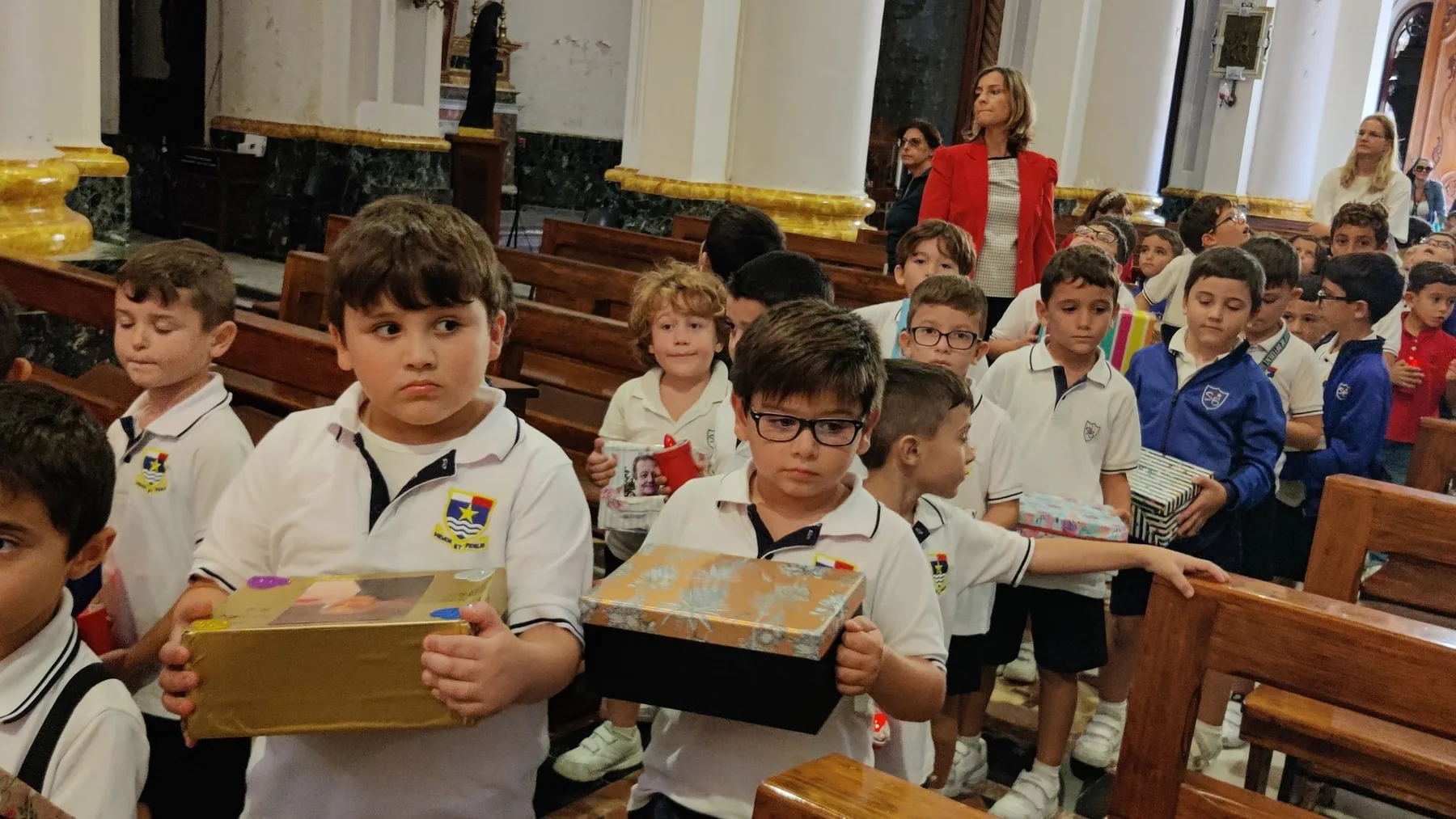
2. Church Schools This is the distinctive feature of Maltese education that families coming from other countries often do not know exists. Under the 1993 Concordat between the Maltese government and the Holy See, church schools are:
- State-funded — free to attend, funded by the government
- Independently governed by the Church
- Not obliged to provide sex education that conflicts with Catholic teaching
- Academically rigorous by Maltese standards
- Heavily oversubscribed — waiting lists are real and can be long
The church schools — including the De La Salle Brothers schools, the Salesians, the Dominican Sisters, and others — are the preferred choice for most Maltese Catholic families and for incoming Catholic expat families who understand what they offer.
The practical implication: If you have children and want a church school place, start enquiring before you arrive in Malta — not after. Some schools have waiting lists of 12–18 months. Sabrina can help navigate the enquiry process and identify which schools have current availability.
3. Private International Schools For families who want an internationally recognised curriculum — British, American, or International Baccalaureate — Malta has several private international schools. Costs run from €8,000–€18,000/year per child.
The main international schools:
- Verdala International School (IB curriculum, well-regarded for expatriate families)
- QSI International School of Malta (US curriculum)
- St. Edward’s College (private, Catholic foundation, more affordable than the fully international schools)
International schools are the choice for families who know they will move again within a few years — IB and US curriculum qualifications travel internationally in a way that the Maltese O-Level and A-Level equivalents may not.
The Catholic Dimension
For Catholic families, Malta’s education system is a genuine gift.
Religious instruction is taught in all state and church schools (with an opt-out available, though rarely exercised). The school calendar is organised around the liturgical year — First Holy Communion, Confirmation, feast days. The MUSEUM system — Catholic evening classes preparing children for the sacraments — runs alongside school and is attended by the majority of Catholic children.
This is not a nominal or bureaucratic Catholicism. The church schools take faith formation seriously. Teachers are committed. The environment is one in which children grow up with faith as a natural, public, integrated part of life rather than a private Sunday activity.
For parents who have struggled in secular school environments to raise children with a coherent Catholic identity, Malta’s church schools can feel like arriving somewhere they did not know still existed.
Secondary Education and Beyond
Malta operates a selective secondary system — children sit exams at the end of primary school that determine placement in secondary schools. This is familiar to British parents (the system resembles the old grammar school selection) and may need explanation to Australian or Canadian families who are used to comprehensive systems.
The top state and church secondary schools are competitive. Parents who want their children in these schools need to be aware of the selection system and plan accordingly — which means starting children in Maltese primary schools early enough to be familiar with the local curriculum before the selection exams.
University: The University of Malta offers undergraduate and postgraduate degrees in English across a range of disciplines. Tuition is heavily subsidised for Malta residents. For families intending to raise their children in Malta through university age, this is a significant financial consideration — a Maltese university degree costs a fraction of a UK, Australian, or US equivalent.
Practical Checklist for Families
1. Decide on school type before you choose your neighbourhood. Schools drive the geography, not the other way round. 1. Contact church schools before arriving. Waiting lists are real. Start the enquiry 12–18 months before you need a place if possible. 1. Visit the school. This sounds obvious but many families make choices based on websites and other people’s recommendations. Malta is small — visiting three or four schools before deciding takes a day. 1. Understand the language. Most instruction in church and state schools is in English; Maltese is taught as a subject and increasingly used in some instruction. Children pick up Maltese quickly if they are socially integrated — it is not a barrier. 1. Check catchment and intake rules. Some church schools give priority to Catholic families, to children of alumni, or to specific parishes. Know the rules before you rely on a particular school being accessible.
Sabrina has helped many families navigate the Maltese school system. Book a consultation to get specific guidance for your children’s ages and your family’s values.