Most relocation guides for Malta are written for individuals or couples. The family question — what it actually means to move with children, to build a family life rather than just a tax structure — gets a paragraph or a footnote.
This article is for families. Based on what we have seen over thirteen years of clients with children, and on Sabrina’s direct experience of watching those families land, struggle, and eventually thrive.
The Question Nobody Asks First — But Should
Before the school research, before the neighbourhood comparison, before the property search: what age are your children, and how do they handle change?
A 6-year-old adapts to Malta in approximately three months. A 14-year-old faces a fundamentally different challenge — GCSEs or equivalent examinations in a new country, a social life to rebuild from scratch at an age when social life is everything, possibly a change of curriculum that disrupts years of academic progression.
This is not a reason not to move. But the timing of a family move matters enormously, and most advisers — who earn their fees regardless of when you move — do not tell you this clearly enough.
The windows that work best:
- Before primary school starts (under 5)
- At the natural break point between primary and secondary school (ages 10–11)
- After secondary school is complete (18+)
The hardest moves are mid-secondary — 13 to 16 — particularly if the curriculum change is significant (British GCSE to Maltese O-Level, for example, with different examination boards and different syllabi). It can be done, and children are more resilient than parents fear, but go in with eyes open.
Where Families Live — The Geography
The geography of family life in Malta differs from the geography of professional or bachelor life.
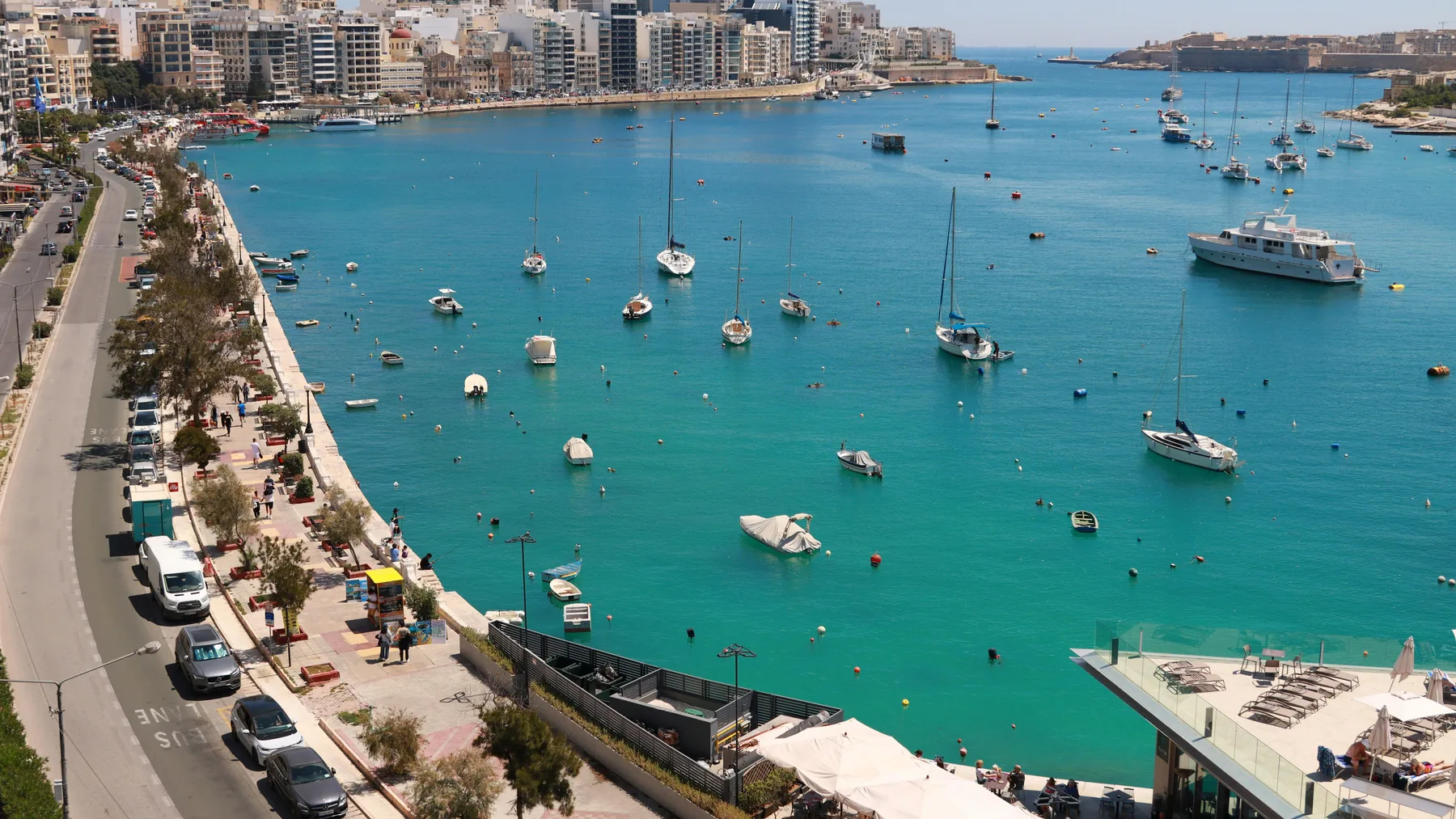
Sliema and St. Julian’s are convenient and well-serviced, but not typically ideal for families with young children. The noise levels, the density of construction, and the absence of outdoor space — gardens, parks, playgrounds — make them better suited to adults without children.
The north — Mellieħa, St. Paul’s Bay, Naxxar — is where many expat families end up. More space. Closer to sandy beaches. Quieter. Access to good primary schools. The commute to Valletta or St. Julian’s is real — 30–50 minutes — but for a family where one or both parents work remotely, it is manageable.
Attard, Balzan, Lija — the quiet centre of the island, known as the Three Villages. Large character houses and villas with gardens. Quiet streets. One of the best private schools (St. Edward’s College) is nearby. Popular with both Maltese professional families and established expats.
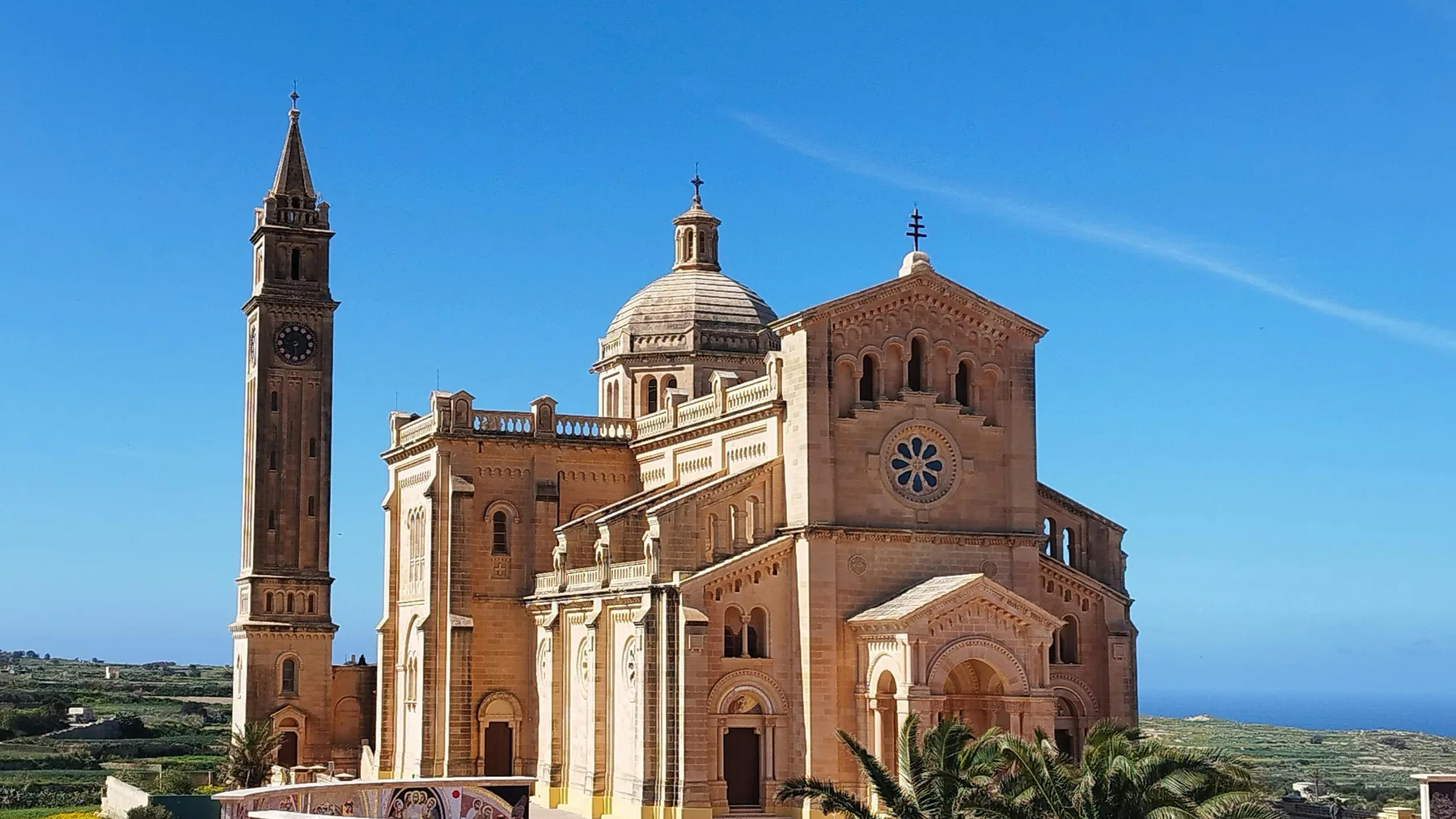
Gozo — for families who have genuinely committed to a slower pace and are comfortable with the ferry. The quality of life for children in Gozo is extraordinary — safe, outdoor, community-centred. But it requires that at least one parent work fully remotely and that the family is genuinely prepared for the logistical constraints of island life.
Full neighbourhood guide here. Gozo deep-dive here.
Schools — The Decision That Drives Everything Else
We have covered the school system in detail in the education guide. The family-specific points:
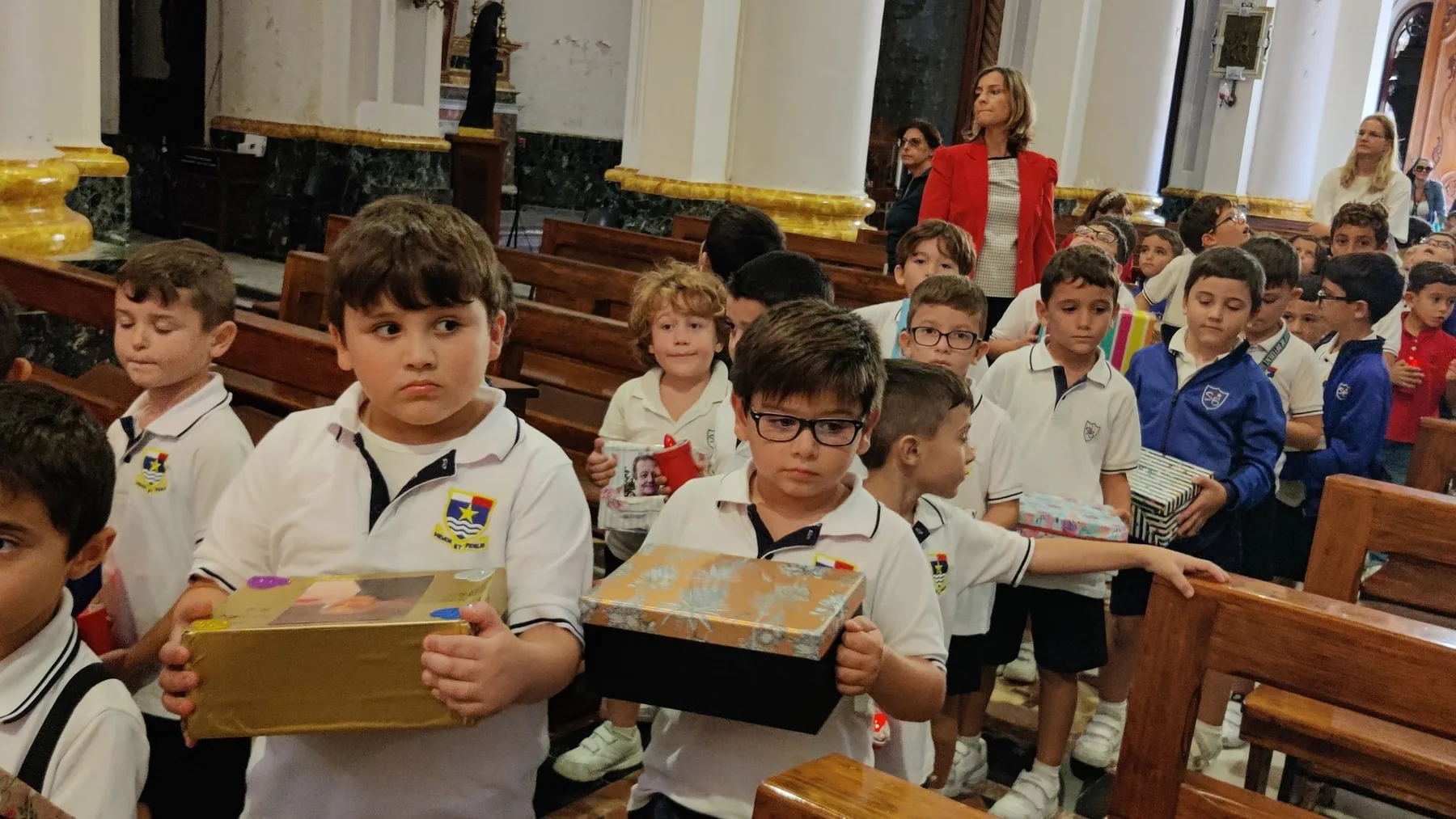
For Catholic families: The church school system is the priority. Start enquiring before you arrive. Waiting lists for popular schools can run 12–18 months. Sabrina can help navigate this — she knows which schools have current availability and which are full for the next two years.
For families unsure how long they will stay: International schools (Verdala, QSI) offer internationally transferable qualifications. Higher cost, but the investment in curriculum continuity is often worth it for families who are not committing permanently.
For teenagers: The curriculum transition question must be addressed specifically. A British child mid-GCSE moving to a Maltese O-Level school faces a genuine examination-board mismatch. Options include continuing with British-curriculum distance learning, enrolling in the international school, or — in some cases — sitting out the transition year and using it for language and cultural integration.
The Catholic Community
For Catholic families, Malta offers something that most of the Western world no longer does: a ready-made community built around shared faith.
Parish life in Malta is active. The children’s catechism programme (MUSEUM), First Holy Communion preparation, Confirmation classes, youth groups attached to parishes — these are not vestigial activities attended by a handful of committed families. They are mainstream. Your children will be with the majority, not the minority, in practising their faith.
This matters more than it sounds. Children who grow up as the only Catholic family in a secular school environment carry a particular burden — their faith is marked as unusual, potentially embarrassing, something requiring explanation or defence. In Malta, it requires none of these things. It is simply normal.
The Outdoor Life
Malta’s climate delivers what Britain and Ireland and Scandinavia cannot: outdoor life as a year-round reality for children.
From September through June, the weather supports outdoor activity every day. School sports, beach days, cycling, exploring the island’s coastal paths and rural tracks — these are not occasional good-weather activities but the baseline of childhood.
August is hot. Genuinely hot. Most Malta families with children spend August partly away — in northern Europe visiting family, or in Gozo where the sea breeze makes the heat more manageable. This is not a deal-breaker; it is a planning consideration.
The sea is ten minutes from almost anywhere on the island. Children who grow up in Malta grow up swimming, snorkelling, diving, and on boats. The outdoor competence this builds — confidence in water, comfort with the natural world — is one of the most consistent things parents tell us they value about raising children here.
The Social Reality for Spouses and Partners
This is the point that breaks the most relocations.
The working partner has a structure — meetings, projects, colleagues, a professional identity that survives the move. The non-working partner — or the partner whose career did not transfer — arrives in a new country where they know nobody, where their professional network is in another country, and where building social capital from scratch takes longer than anyone admits.
Malta has an active expat community. There are organised social groups, sporting clubs, international women’s groups, school-based parent networks. These things exist and they work — but they require active participation, patience in the early months, and a willingness to accept that building genuine friendships takes a year, not a month.
Sabrina’s role during this period is significant. She makes introductions. She knows which expat community groups are active and which are moribund. She can connect a newly arrived family with others who have been through the same experience. This is not formal advice — it is the social scaffolding that makes the difference between a family that integrates and a family that gives up.
The Honest Constraints
Malta is small. 316 square kilometres. You will drive past the same landmarks daily. For children who grow up in cities with museums, galleries, theatres, concert halls, and infinite novelty — Malta will feel limited in due course. Most families manage this with regular travel. Malta’s airport connectivity is excellent; London, Dublin, Rome, and Amsterdam are 2–3 hours away. Build the travel budget in.
The construction noise. Some areas of Malta are genuinely afflicted by construction. For children trying to sleep in the afternoon, for families trying to use outdoor spaces near development sites — this is a real quality-of-life issue. Area selection matters. Use the neighbourhood guide before committing to a property.
The heat in August. Young children and extreme heat are not a straightforward combination. Air conditioning is essential. The afternoon hours are largely indoors. Plan for this before your first summer.
None of these are reasons not to come. They are reasons to come prepared, to choose the right area, to have the right expectations, and to give yourself a realistic timeline for the adjustment period. The families who thrive in Malta are almost universally glad they came. They are also almost universally honest that the first six months were harder than they expected.
Book a consultation to talk through the family relocation picture in detail.