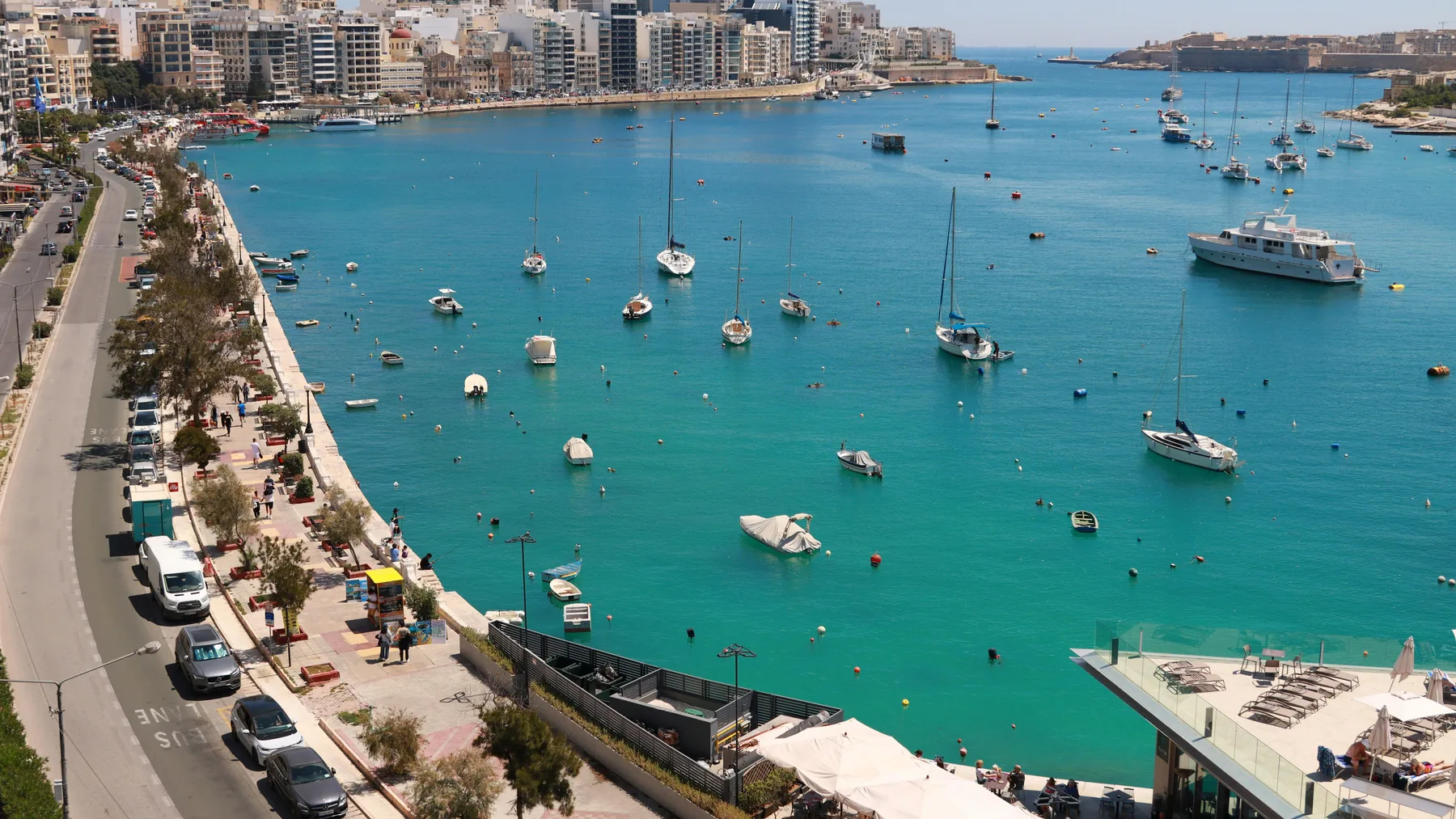
Deciding to move to Malta is the easy part. The paperwork is where most people stall.
This is the checklist we work through with every client who is making the move. It is not exhaustive — your situation will have specific complexities that need specific advice — but it covers the foundations. Work through it in order. Do not skip steps.
Before You Leave Your Current Country
1. Get proper exit tax advice. This is non-negotiable. Whether you are leaving the UK, Ireland, Australia, Canada, or Scandinavia, your departure date has tax consequences. Unrealised gains may crystallise. Your residency status in your home country must be formally ended. Do this before you book the removal van. Full exit tax guide here.
2. Determine your departure date precisely. Tax years and residency tests are counted in days. In the UK, the Statutory Residence Test is strict — 16 days or fewer in a tax year if you want to be clearly non-UK-resident after 3+ years of UK residence. In Australia, the financial year runs 1 July to 30 June. Your departure date is a tax decision, not just a logistical one.
3. Notify your home country tax authority.
- UK: Notify HMRC of your departure using form P85 (if employed) or equivalent notification for self-employed. File a tax return for your final UK tax year.
- Ireland: Notify Revenue Ireland. File your final Irish tax return. If you have exit tax exposure, this is where it surfaces.
- Australia: Notify the ATO of your change of residency status. Your final Australian tax return will include any deemed disposal from the CGT exit event.
4. Close or restructure UK/home country company structures as needed. If you have a UK Ltd, a trading trust in Australia, or an Irish company, get advice on what happens to these on your departure. They may need to be wound down, restructured, or maintained in a specific way.
5. Bank accounts in your home country. Do not close them all. Keep at least one account open — you will need it for pension payments, dividend receipts, and the administrative tail that follows any major move. Notify your banks of your change of address.
6. Sort your will and lasting power of attorney. Moving country is the trigger for updating these. An existing UK will may not be the most efficient document once you are Malta-resident. Get this done before you leave, not after.
On Arrival in Malta
7. Find your property. Whether renting or buying, you need a qualifying property for the GRP, TRP, or MRP. If you are buying, start the process 6–9 months before you need to be there — the Malta conveyancing process (konvenju → final deed) takes approximately 150 days. If renting, a signed lease agreement is what the authorities need.
8. Apply for your residence permit.
- EU nationals (including Irish): Register with Identity Malta for an EU Residency Certificate. Required documents: valid passport or ID, proof of address (lease or purchase documents), proof of sufficient resources (bank statements), health insurance.
- Non-EU nationals (UK, Australian, Canadian, American): Apply under the GRP, TRP, or MPRP through a licensed agent. Do not attempt to do this yourself — the applications require an accredited agent.
9. Register for Maltese income tax. Apply to the Malta Tax and Customs Administration (MTCA) for a Maltese tax identification number (TIN). This is your income tax registration. It is different from your VAT number if you have a company.
10. Register with a GP and arrange health insurance. Get private health insurance in place before you need it. Register with a private GP in your area within the first month. Healthcare guide here.
11. Open a Maltese bank account. Start this process as early as possible — the same day you have a lease agreement and a local address is not too soon. Full banking guide here.
12. Register your vehicle (if bringing one). Vehicles registered in EU countries can be driven in Malta temporarily. If you are bringing a non-EU registered vehicle, or if you are staying beyond a temporary period, you will need to register it in Malta. Malta drives on the left. Road tax and registration have local costs.
If You Are Also Setting Up a Business
13. Incorporate your Malta company. Step-by-step guide here. Do this through an accredited corporate service provider. Have your KYC documents ready.
14. Apply for any required licences. iGaming: MGA licence application (allow 6–12 months). Fintech/financial services: MFSA licensing (timeline varies by activity). Professional services: various regulatory approvals depending on sector.
15. Appoint a local auditor and tax adviser. Mandatory for audit; critical for tax compliance. Do not leave this until you are already trading.
The Timeline — Realistic Expectations
| Step | Realistic Timeframe |
|---|---|
| Exit tax advice | 4–8 weeks before departure |
| Property found and lease/purchase agreed | 1–6 months before departure |
| Residence permit application submitted | On arrival or shortly before |
| Residence permit issued (EU nationals) | 2–4 weeks |
| Residence permit issued (GRP/MPRP) | 3–8 months |
| Bank account open (personal) | 4–12 weeks |
| Company incorporated | 3–5 days |
| Company bank account open | 4–12 weeks |
| Full operational status | 3–9 months from decision to move |
The single most common mistake: People arrive in January thinking they will be fully set up by February. The banking and residency permit timelines mean that full operational status — residence permit in hand, bank account open, tax registration complete — typically takes 3–6 months. Plan for this. Build cash reserves in your home country account for the transition period.
Sabrina meets every client who moves to Malta through us. She manages the ground-level logistics — property viewings, bank introductions, utility set-up, school enrolments, the thousand small things that turn a decision into a life.
Book a consultation to start the process.