Earlier this month, AFP put out a piece, carried by France24 and a string of other outlets, with a headline built to travel: picturesque Malta is set to “implode” as a concrete jungle devours everything. It opens with a farmer in the south of the island, Annalisa Schembri, lying awake at night worrying that the diggers have arrived to lay a road across her wheat field. It notes that Malta is the most densely populated country in the European Union, that approvals for new buildings keep climbing, and that even UNESCO heritage and prehistoric temple sites are now in the firing line.
It is a powerful piece of writing. It is also, in my view, exaggerated.
I say that as someone who advises people on relocating to and investing in Malta, and who has watched the island change for more than a decade. There is real truth buried in these reports. But the version the foreign press is selling, of a paradise being bulldozed into rubble, leaves out the parts that actually matter if you are thinking of moving here or putting money into property.
What the headlines are claiming
The case against Malta has become a genre of its own. The AFP report leans on academic Michael Briguglio, who argues that both main political parties are, in his words, “in the pockets of developers,” and who is sceptical the sector will ever be reined in. A separate documentary aired on the Franco-German channel Arte made the rounds with a striking statistic: roughly 25 percent of Malta’s surface area is concrete, against a European average of around 5 percent, giving the island the highest rate of soil sealing in Europe.
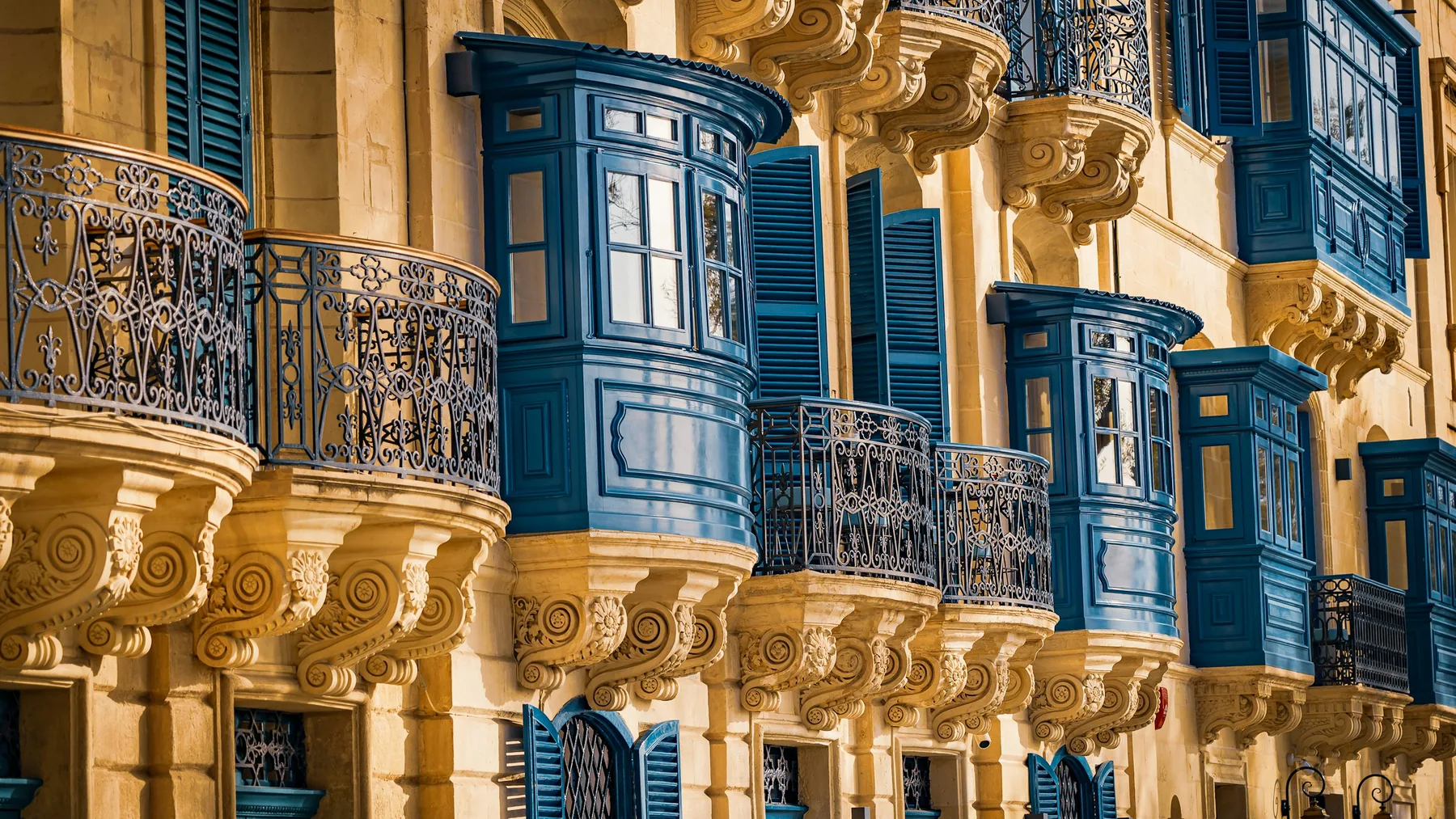
The imagery is consistent everywhere you look. Cranes on every skyline. Dust that never settles. Golden limestone townhouses torn down and replaced by anonymous apartment blocks. Villages losing their character one permit at a time.
If you only read the coverage, you would conclude the island is finished. I do not think it is, and here is why.
Where the alarmism overshoots
Here is the part the dramatic write-ups almost always skip.
Yes, a great deal of building is going on. Nobody serious disputes that. But the “before” being mourned is not always the picture-postcard Malta of the brochures. Alongside the genuinely beautiful historic cores, there are large stretches of existing, built-up Malta that are neither old nor pretty. They are simply ugly and dilapidated: tired, half-finished, flat-roofed concrete from the 1960s through the 1990s, much of it shoddy, much of it never maintained. A lot of what the cranes are replacing is not a wheat field or a baroque palazzo. It is a run-down block that should arguably have come down years ago.
That distinction matters. Redeveloping ugly, neglected stock is not the same thing as paving over paradise, and lumping the two together is how you get a headline that says the island is about to implode.
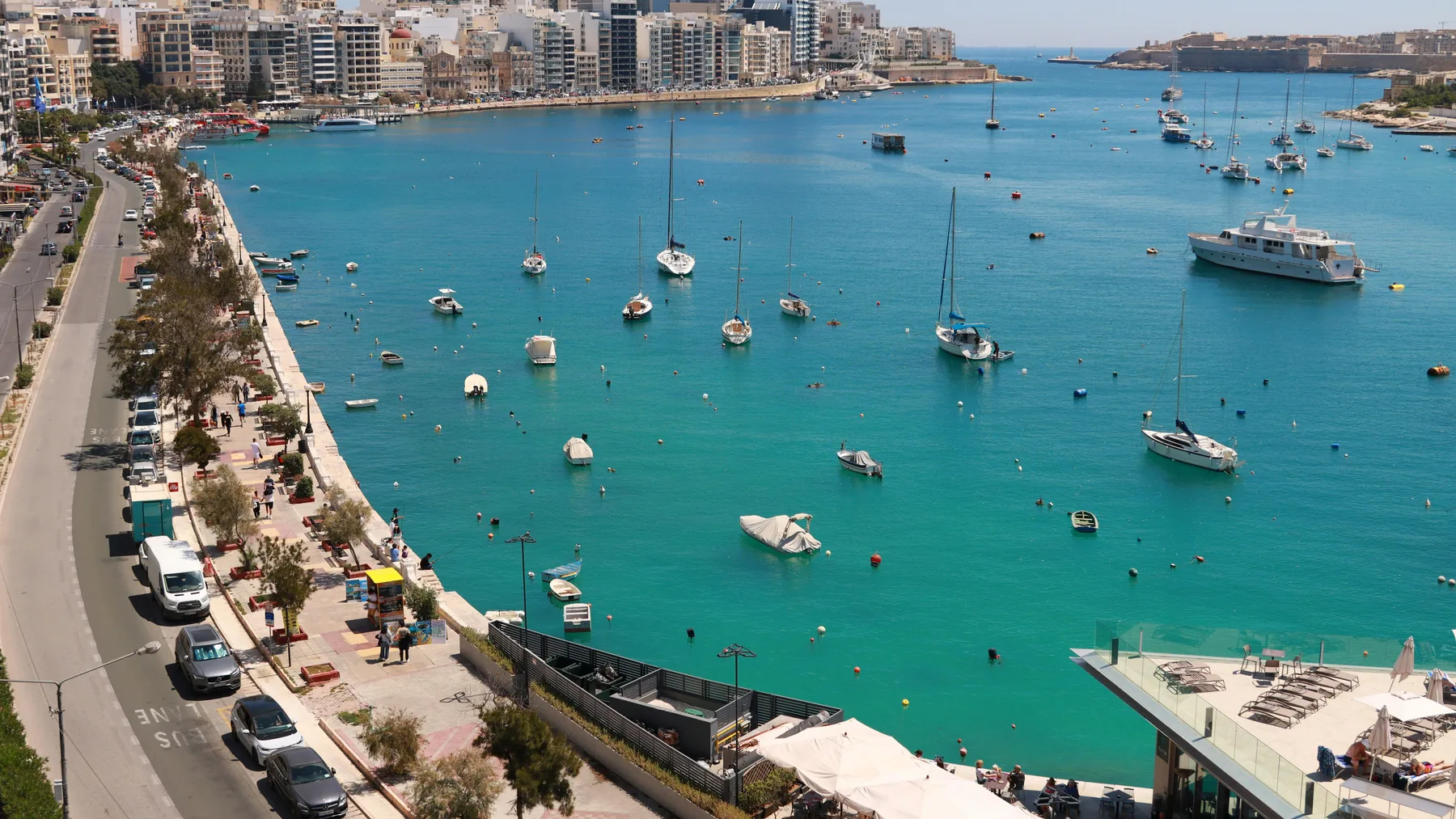
It is also worth keeping geography in perspective. The construction is heavily concentrated in a handful of corridors: Sliema, St Julian’s, Gzira, Paceville, and a few inland growth towns like Mosta and Marsaskala. Step away from those zones and large parts of the south, the west, and most of Gozo remain rural, quiet, and very much intact. Malta has always been a small, densely built place. The crane count in Paceville is not the whole country.
So when an article tells you the island is being uniformly “devoured,” treat it as mood music, not measurement.
The real problem is governance, not concrete
None of this means the critics are wrong about everything. They are right about one thing in particular, and it is the thing that should actually concern anyone with money or a future on the island. The problem is not that Malta builds. The problem is how decisions get made, and who they get made for.
The honest issue is governance, transparency, and enforcement. And the single best illustration of it is a project that is about to open its doors as a glossy international destination.
The Hard Rock Hotel and the ITS land deal
If you want to understand the cronyism complaint in one story, look at the Hard Rock Hotel rising at St George’s Bay, on the site of the former Institute of Tourism Studies (the “ITS site”) in the Pembroke and St Julian’s area. It is a roughly 300 million euro mixed development by Malta’s db Group, founded by Silvio Debono, and it is due to open in the summer of 2026.
The hotel itself may well be excellent. The way the public land underneath it changed hands is the problem.
The site was put out to tender in 2015, and the db-linked Seabank Consortium was the sole bidder, at a headline figure of just 17 million euro. The government chose to structure the transfer as a long concession rather than a straightforward sale, a move that critics say conveniently sidestepped the usual disposal-of-public-land rules. When the National Audit Office later examined it, the findings were damning. The Auditor General cast doubt on the regularity of the tender, noted that the request for proposals had been advertised in a misleading way that limited competition (particularly from foreign players), and flagged that proper authorisation had not been obtained before the process began. The NAO also valued the site at around 67 million euro, well above the figure the deal was built on, with the developer’s premium set at roughly 15 million euro spread over seven years.
It gets worse on the permitting side. The original 2018 planning permit was approved in a board meeting so controversial that a member was reportedly flown in by private jet to cast a vote, and the permit was later revoked by the courts over a conflict of interest. The project drew a record number of objections, in the region of 15,000, from residents, local councils, business groups, and environmental NGOs alike. After years of litigation, the courts ultimately cleared the way, the foundation stone was laid in October 2024, and by 2026 the Prime Minister was praising it publicly.
This is the pattern that foreign buyers and residents genuinely need to understand. It is not that a hotel got built. It is that a public asset moved through a process the national auditor could not vouch for, and the system absorbed it anyway. That is the legitimate scandal, and it has very little to do with cranes spoiling a view.
When the fines are a joke
The second thing to understand is that enforcement in Malta is weak to the point of being a punchline, and this is where the critics and I actually agree.
When someone builds illegally here, the deterrent is often laughable. Malta’s daily planning fines are capped at 50 euro per day, with a lifetime ceiling of 50,000 euro per case. Think about that from a developer’s point of view. If an illegal structure earns you hundreds of thousands of euro, a 50 euro daily fine is a rounding error, and a one-off 50,000 euro ceiling is simply a cost of doing business.
The numbers bear this out. Investigative reporting in 2025 found that at least 161 illegal developments had already hit the 50,000 euro maximum and were sitting there, untouched, with no real enforcement and no demolition. High-profile cases drag on for years: a well-known illegal restaurant in Valletta racked up tens of thousands in pending fines before it finally shut, and some illegal complexes have been accumulating daily penalties since the late 2000s with the structures still standing.
That is the real absurdity. Not that the fines are too harsh, but that they are so trivial that breaking the rules quietly pays. A system that lets you keep an illegal build for the price of a cheap daily ticket is not protecting the island. It is taxing rule-breaking and calling it enforcement.
What this means if you are moving to or investing in Malta
Strip away the apocalyptic framing and a practical picture emerges. Here is how I would think about it.
Buy quality, not hype. The oversupply risk sits in the generic apartment blocks thrown up in the busiest corridors. Well-built developments, heritage conversions in characterful towns, and properties in the calmer parts of the island hold their appeal precisely because they are not part of the crane-belt glut.
Do real due diligence on permits. Given how loose enforcement is, never assume a property is fully compliant. Confirm that it actually holds its planning permits, check whether any part of it was “sanctioned” after the fact, and have a trusted local architect and lawyer verify the paperwork before you commit.
Be wary of speculative plays near development-zone boundaries. The fights worth avoiding are the ones over land at the edges of what should and should not be built on. That is where the legal and reputational risk concentrates.
Read the governance, not just the brochure. The Hard Rock story is a reminder that in Malta the headline project and the back-story can be two very different things. Understanding who you are dealing with matters as much as the price.
My bottom line
Malta is not imploding. It is a small, crowded, sun-soaked island that, like a lot of the Mediterranean, needs investment, renovation, modern building stock, and better infrastructure, and a fair amount of what is being built is replacing things that were genuinely worth replacing. On that score, I welcome it.
The honest critique is not “too much concrete.” It is weak governance, opaque public-land deals, and enforcement that does not deter anyone who matters. Fix those, and Malta keeps the charm the foreign press claims to mourn while finally getting the upgrade it actually needs. That is a far more useful story than “the island is set to explode,” and it happens to be the true one.