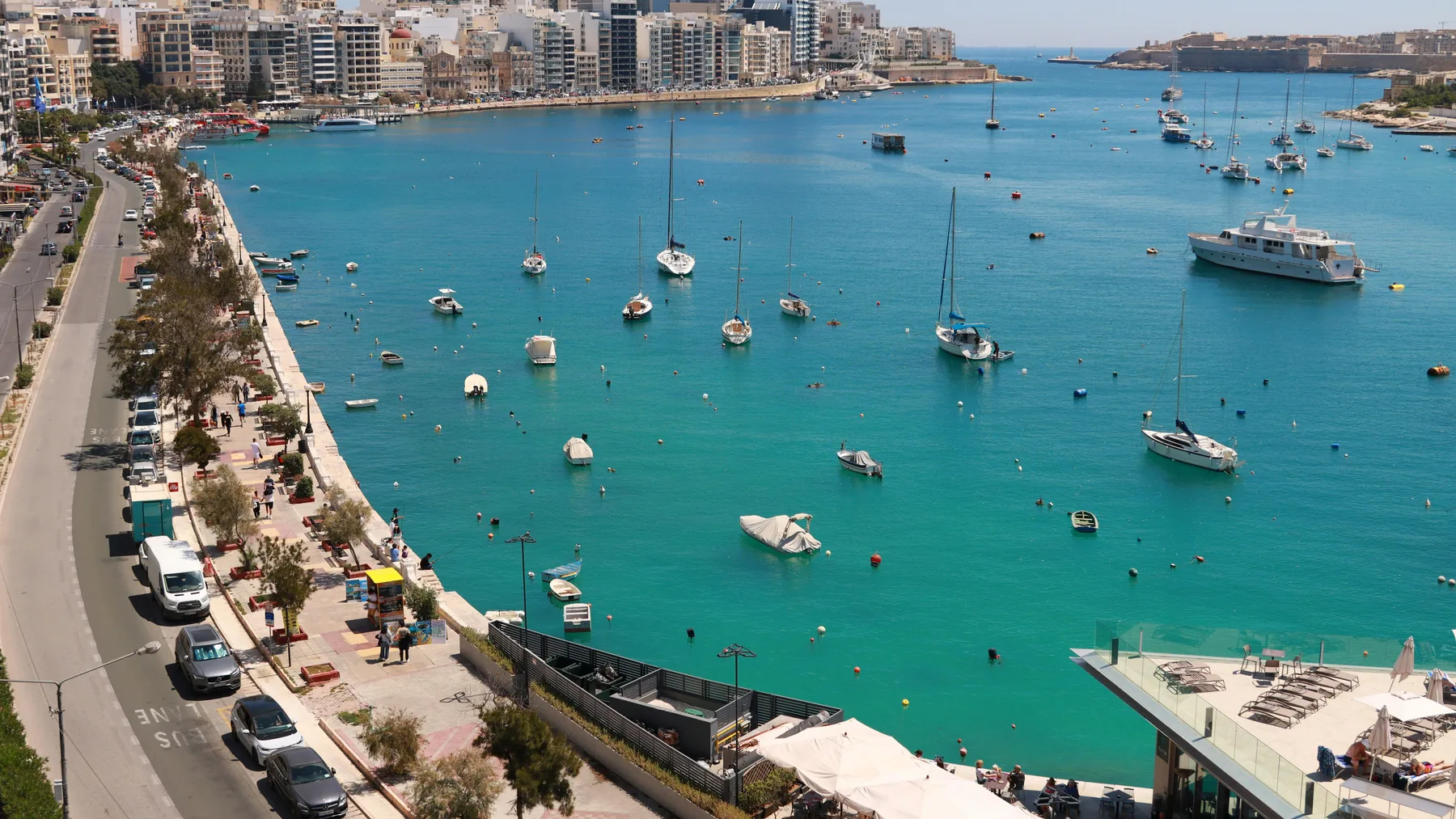
Most people arrive in Malta with one of two mental images: the glossy harbour photos they saw on Instagram, or the nightmare traffic they hit on the way from the airport. Both are accurate.
Where you choose to live in Malta will define your experience of the island. Get it right and you will wonder why you waited this long. Get it wrong and you will be living in a noisy building site next to a bar strip, wondering what went wrong.
Sabrina has been living and working in Malta since 2012. She has helped dozens of our clients find properties across the island. What follows is her view — and mine — on the real options.
Sliema
Sliema is where most expats end up. That is both its strength and its weakness.
Strengths: Walking distance to the sea, strong rental market if you eventually want income, good restaurants, easy access to Valletta by ferry, English everywhere, international supermarkets, solid private clinics nearby.
Weaknesses: Overdeveloped. Construction is constant. The seafront promenade is lovely; the streets one block back are a tangle of cranes and scaffolding. Not a quiet life.
Who it suits: Single professionals, couples without children, anyone who wants maximum convenience and does not mind urban noise.
Price benchmark (2025): Apartments €1,800–€2,800/month rent. Purchase from €350,000–€500,000+ for a decent apartment.
St. Julian’s
More nightlife than Sliema, younger crowd, iGaming industry hub. If you are setting up a company or working in gaming or fintech, St. Julian’s is where your colleagues will be. Paceville — the nightlife district — is within walking distance, which is either a feature or a bug depending on your life stage.
Portomaso is the premium enclave within St. Julian’s: a private marina development with high-security apartments, underground parking, and a casino. It is a Special Designated Area (SDA), which means non-EU buyers can purchase without the AIP permit restriction — important for Australian, Canadian, and American clients.
Who it suits: Business founders, younger professionals, iGaming and fintech executives.
Valletta
The capital. A Baroque UNESCO World Heritage City covering less than one square kilometre. Living here is like living inside a museum — which is either romantic or inconvenient, depending on the day.
The reality: Very few residential properties, most of them requiring significant renovation. Narrow streets mean no parking. But the quality of light, the architecture, the proximity to Mdina and the Three Cities, and the sheer density of history make it unlike anywhere else in Europe.
A Valletta address also carries weight. For HNWIs who want substance and style over convenience, this is the choice.
Who it suits: People who value heritage, do not own a car, and want something genuinely distinctive.
The North — Mellieħa, St. Paul’s Bay
Quieter, more space, better value, closer to the beach. Mellieħa Bay is one of the best sandy beaches in the Mediterranean. The north is increasingly popular with families.
The trade-off is commute. Valletta is 40–50 minutes by car in traffic. If you work remotely and do not need the city daily, the north is seriously underrated.
Who it suits: Families, remote workers, retirees, anyone who came to Malta for the sea and the pace — not the urban scene.
Gozo
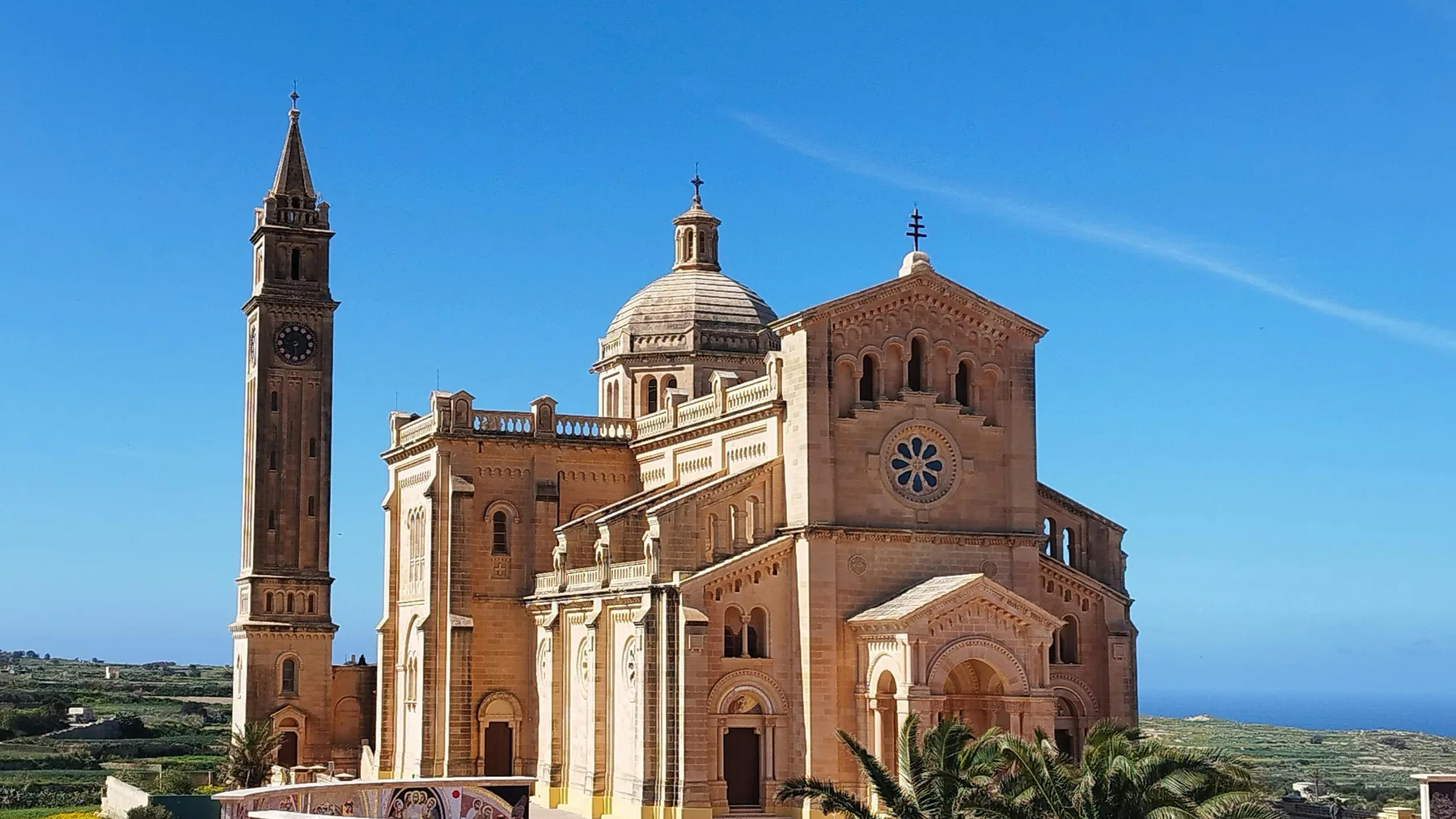
Gozo deserves its own article — and it gets one in this series. Short version: it is a different island in every meaningful sense. Slower, greener, more Catholic, more rural, less developed, half the price. The ferry from Ċirkewwa takes 25 minutes.
For clients who want Malta’s tax regime without Malta’s urban noise, Gozo is increasingly the answer. The potential Malta-Gozo fixed link — discussed for years but still not committed — would transform property values there if it ever happens.
Read the full Gozo guide here.
Mdina and the Centre
The Silent City. Mdina is medieval, car-free within the walls, and almost nobody lives there (fewer than 300 residents). The areas around it — Rabat, Attard, Lija — are quieter, more Maltese in character, with larger houses and gardens that you simply cannot find in Sliema.
Who it suits: Families who want space, a Maltese neighbourhood feel, and are happy to drive everywhere.
The Practical Checklist Before You Choose
1. SDA or non-SDA? Non-EU nationals buying outside Special Designated Areas need an AIP permit. This adds cost (€233) and time (4–6 months). SDAs — including Portomaso, Tigné Point, Cottonera, and others — have no restrictions. 1. School catchment. If you have children, reverse-engineer from the school. See our education guide. 1. Commute reality. Malta is small but traffic is serious. Do not assume proximity on a map equals proximity in time. 1. New build vs. character property. New builds are turnkey and energy-rated. Character properties are beautiful and full of maintenance surprises.
Sabrina can advise directly on properties and introductions to trusted agents. Book a consultation to get the conversation started.