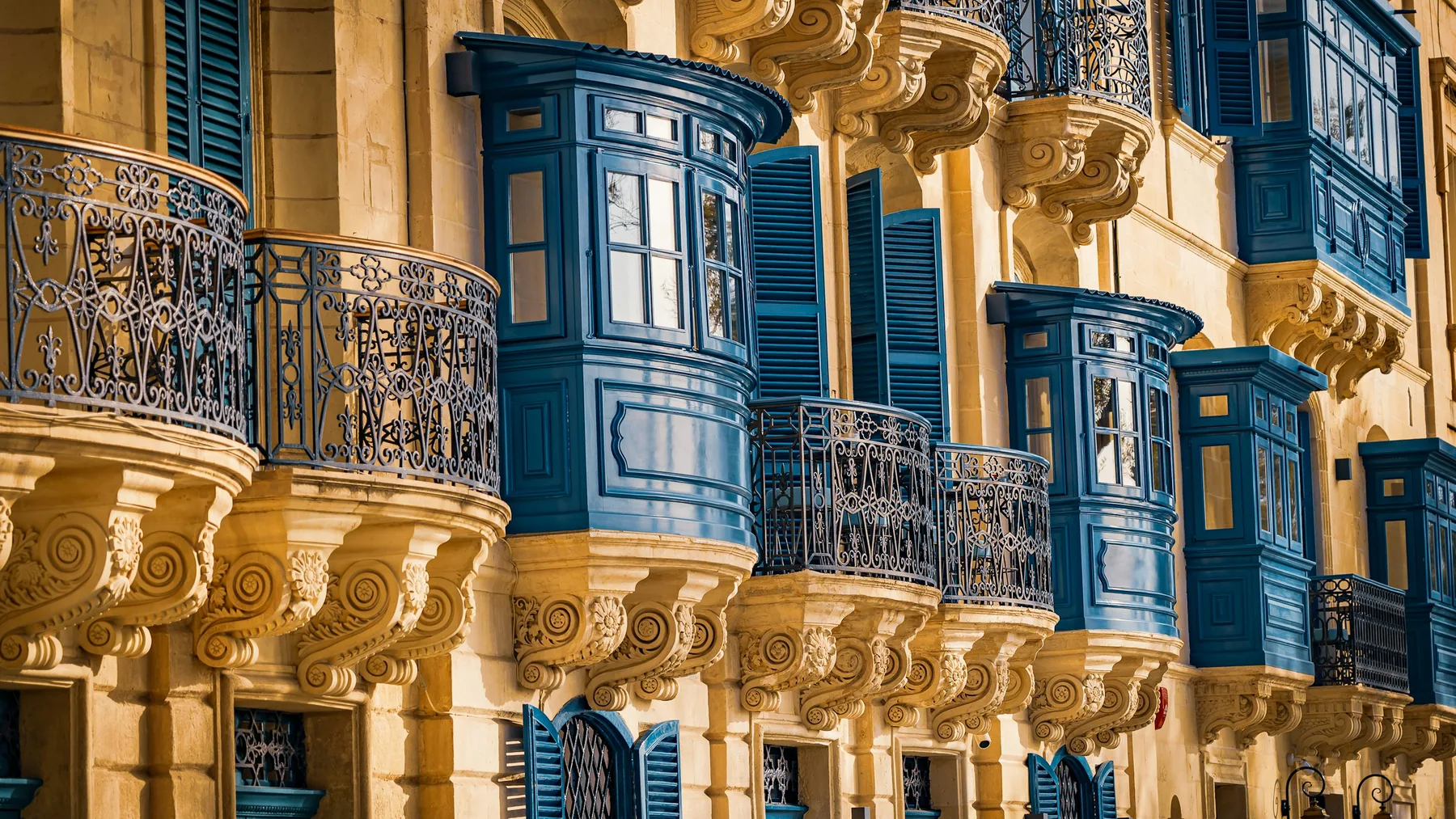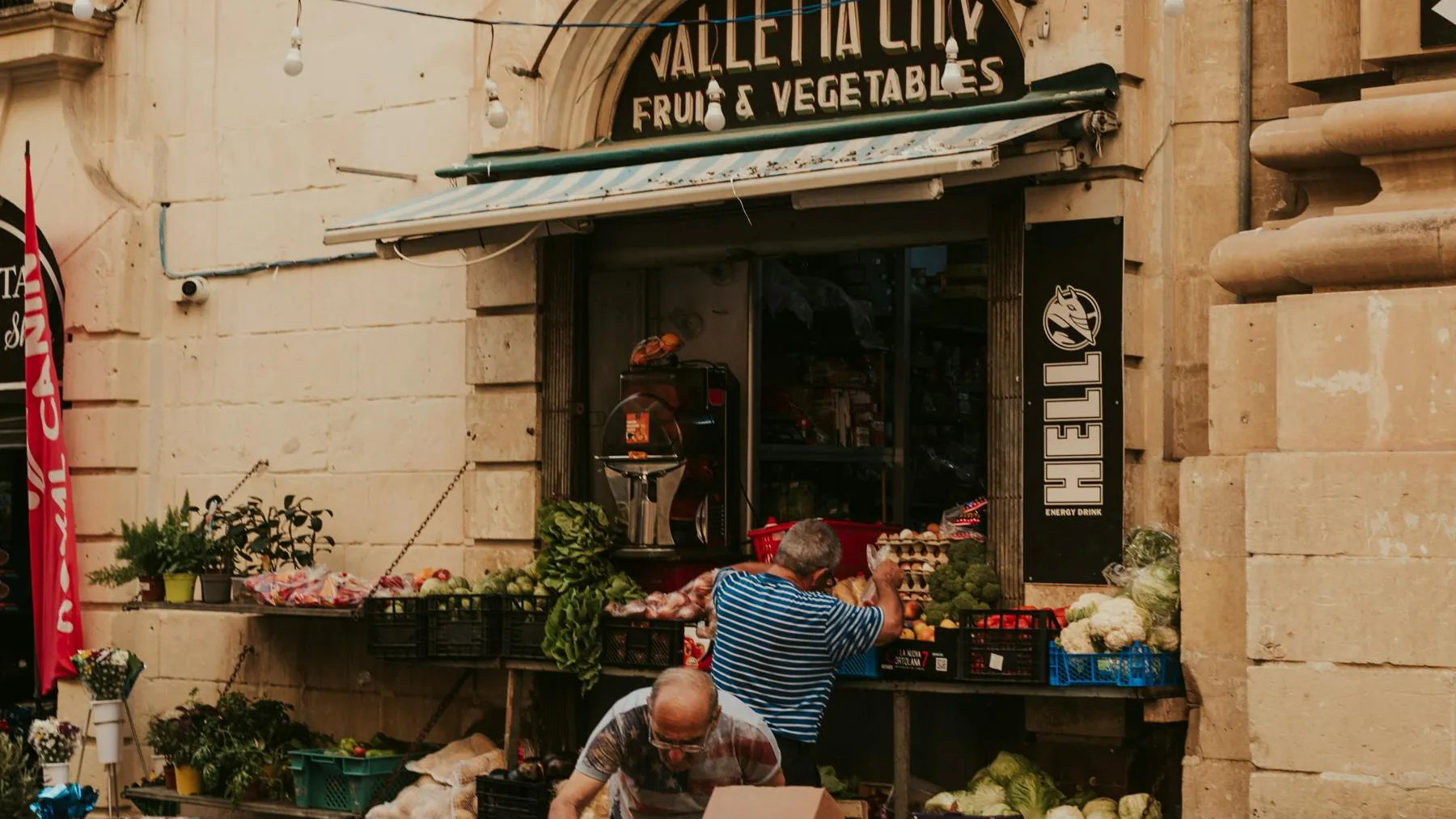
The websites that publish “cost of living in Malta” numbers are, with some exceptions, useless. They average Sliema rents with Gozo village rents. They include student budgets alongside HNWI lifestyles. They omit private healthcare, private schooling, and the social expectations of the expat community that most incoming residents actually join.
Here are the real numbers — based on what Sabrina observes on the ground, what our clients report after their first year, and what current market data confirms for 2026.
Housing
Renting — Main Island:
| Area | 2-bed apartment | 3-bed apartment |
|---|---|---|
| Sliema / St. Julian’s | €1,800–€2,800/month | €2,500–€4,000/month |
| Gżira / Msida | €1,400–€2,000/month | €2,000–€3,000/month |
| Mellieħa / North | €1,000–€1,600/month | €1,500–€2,400/month |
| Valletta | €1,500–€2,500/month | Rare, premium-priced |
Renting — Gozo:
| Type | Monthly cost |
|---|---|
| 2-bed apartment | €900–€1,400/month |
| Farmhouse / townhouse | €1,200–€2,000/month |
Buying: Average apartment price in Malta is approximately €415,000. Penthouses average €545,000. Stamp duty 5%, no annual property tax. Full property guide here.
What nobody tells you: Maltese rental properties are almost always let fully furnished. Factor in utility costs separately — electricity in Malta uses the reverse block tariff (cheaper for modest consumption, expensive for heavy use). An apartment with air conditioning running in summer adds €150–€400/month to the electricity bill in July and August.
Food and Groceries
Malta has a full range of supermarkets — Lidl and Aldi at the budget end, Tower Premium Supermarket and various independents at the quality end. A well-stocked weekly shop for two people comes in at approximately €80–€140.
The local market advantage: Malta’s produce markets — the vendors who circulate through neighbourhoods in small trucks, the open-air markets in Marsaxlokk (Sunday) and other towns — sell genuinely excellent fresh fish, vegetables, and fruit at prices significantly below supermarket equivalents. A Sunday morning at Marsaxlokk market, buying fresh fish straight off the boats, costs €15–€25 for enough fish for a week for two people.
Eating out: A decent restaurant meal for two, with wine — €50–€80 at a good local restaurant. Tourist-trap Valletta restaurants push €100+. The trick, which Sabrina communicates to every client: eat where the Maltese eat. The food is better and the price is lower.
Pastizzi: The national snack — flaky pastry filled with ricotta or mushy peas — costs approximately €0.40 each from a pastizzeria. Budget accordingly.
Healthcare
Private GP: €40–€70 per consultation. Specialist appointment: €80–€150. Private health insurance (healthy adult, comprehensive): €1,500–€4,000/year. Dental (private): approximately 40–50% cheaper than UK equivalent costs.
Education
State schools: Free. Church schools (state-funded under Concordat): Free — these are the popular choice for Catholic families. Private international schools: €8,000–€18,000/year per child, depending on institution and age group.
For most families arriving from the UK, Ireland, or Australia, the church school system in Malta is an extraordinary deal: genuinely good education, Catholic values, English-medium, at zero cost.
Transport
Malta has no rail system. Transport is by car, bus, or taxi/ride-share (Bolt operates extensively).
Car purchase: Malta’s used car market is competitive. A reliable secondhand car costs €8,000–€20,000. Running costs are reasonable — fuel is slightly below UK prices, insurance is comparable.
Bus: Malta’s public bus network is comprehensive and inexpensive — approximately €1.50/single journey (free for residents with an e-card after an initial registration). Useful for some routes; slow in traffic.
Bolt: Widely available, cheaper than most European equivalents. A journey across Sliema costs €4–€8.
The Full Monthly Budget — Two Adults, No Children
| Item | Conservative | Comfortable | Premium |
|---|---|---|---|
| Rent (2-bed, main island) | €1,400 | €2,000 | €3,000 |
| Food and groceries | €400 | €600 | €900 |
| Eating out | €200 | €500 | €1,000 |
| Transport | €200 | €350 | €600 |
| Health insurance | €200 | €300 | €500 |
| Utilities | €150 | €250 | €400 |
| Miscellaneous | €200 | €400 | €700 |
| Total | €2,750 | €4,400 | €7,100 |
Most of our clients — active, internationally mobile professionals and entrepreneurs — live in the €4,000–€7,000/month range for two adults, excluding major discretionary spending (holidays, significant purchases, children’s education).
The comparison with London or Sydney: A genuinely equivalent lifestyle — good apartment, private healthcare, eating well, some restaurant spending — costs 30–40% less in Malta. That differential is real and sustained.
The Things That Cost More Than Expected
Air travel: Malta has an excellent international airport (direct to London, Dublin, Amsterdam, Frankfurt, Rome, and dozens of others), but the island’s isolation means any trip off the island involves a flight. Families who want to maintain connections with home — visiting parents in the UK, summer trips back to Australia — should budget €3,000–€8,000/year on flights, depending on frequency and destination.
Imported goods: Malta produces almost nothing physically — everything is imported. UK or US branded food products, specific medications, specialist equipment — anything that needs to be brought in costs more than in its country of origin.
Construction and renovation: If you are buying a character property (especially in Gozo), budget for renovation costs that can easily exceed the purchase price if the building needs significant work.
The Bottom Line
Malta is not cheap in the way that Eastern Europe is cheap. It is an EU country with EU prices for many things. But it is significantly cheaper than London, Dublin, Stockholm, or Sydney for comparable quality of life — and dramatically cheaper once the tax savings are factored in.
A family paying 15% on remitted income under the GRP, spending €5,000/month in Malta, and retaining investment income and capital gains abroad at zero Maltese tax — the financial case is compelling even before the lifestyle factors are considered.
Book a consultation to model the financial case for your specific situation.