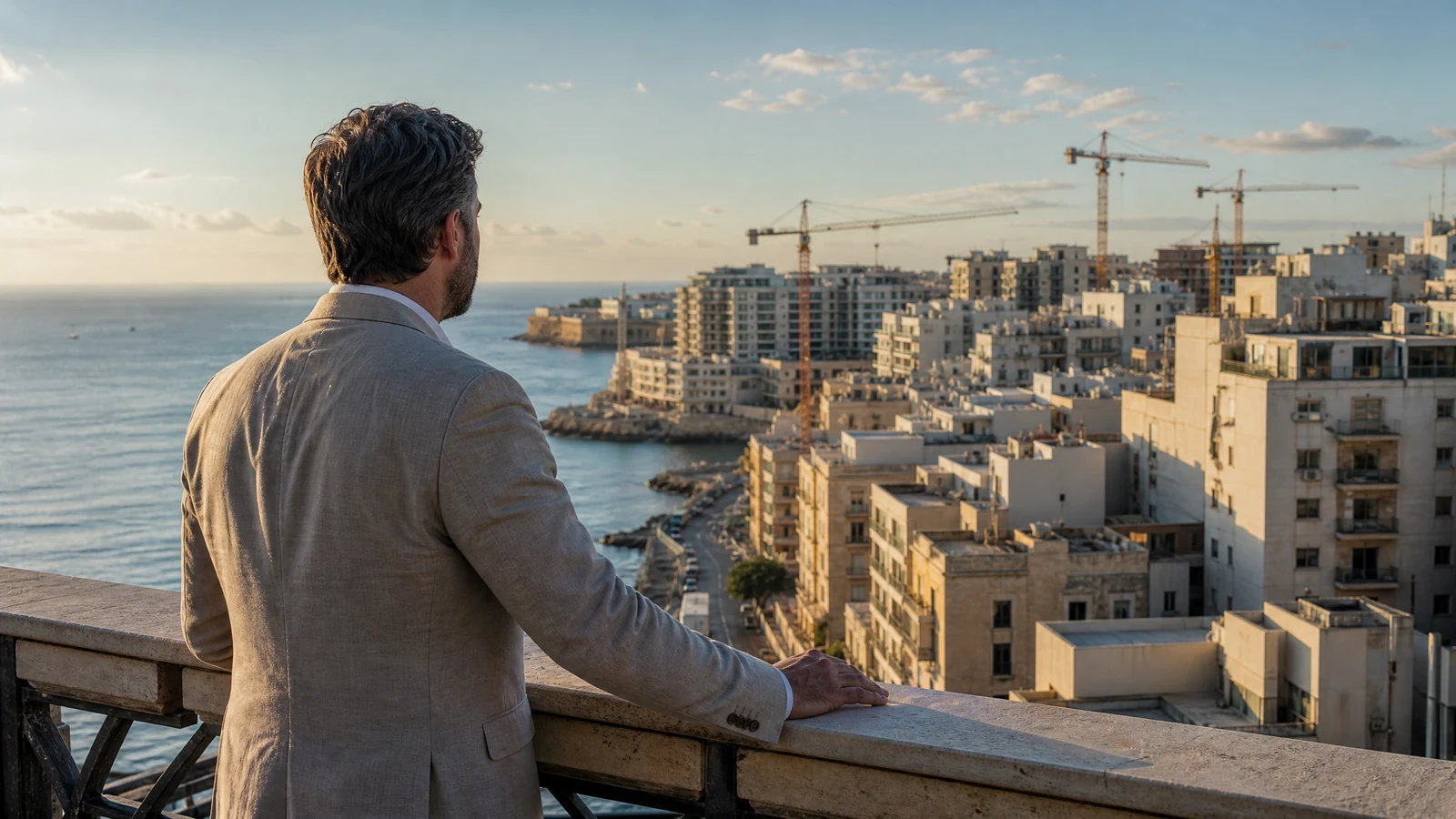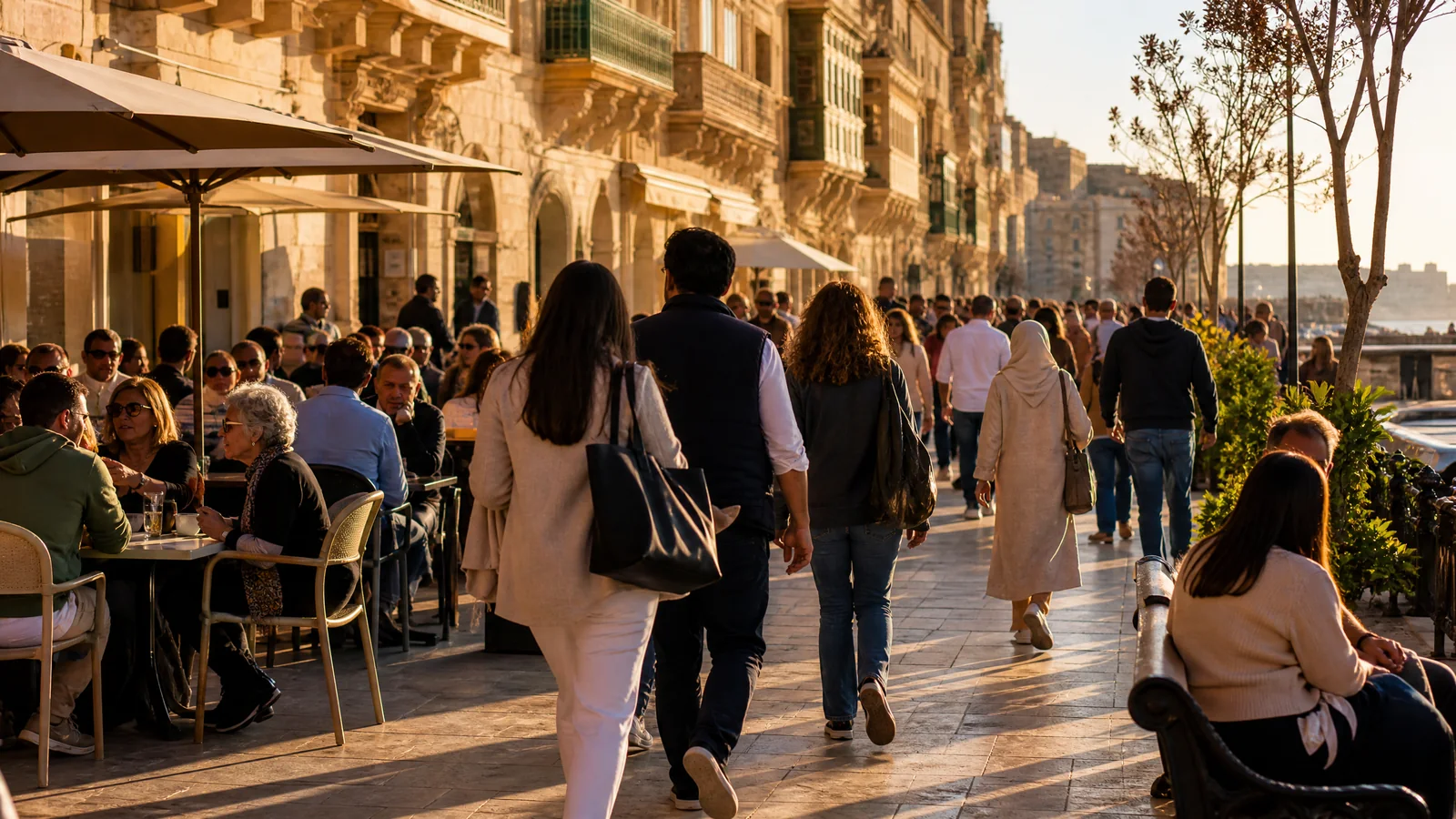
There is a particular kind of complaint you only ever hear in places people are desperate to live. The crawl along the coast road at five o’clock. The wait at Mater Dei. The cranes stitched across the skyline like a flock of birds that never quite lands. This week the opposition gave that complaint a name and a headline, warning that Malta’s population growth has become a “national urgency” and pointing to the figures underneath the feeling.
The figures are not in dispute, and they are striking. Malta is the most densely populated country in the European Union, and it is not a close contest. According to the latest Eurostat demographic data, the island now carries close to 1,800 people for every square kilometre, up from roughly 1,400 a decade ago. The European average sits at about 110. That is the island packing in sixteen times the people per square kilometre of the continent it belongs to, on a rock you can drive across before your coffee goes cold.
So yes, it is crowded. But before we reach for the word emergency, it is worth asking what the opposite of this problem actually looks like.
The Quiet Catastrophe Nobody Marches About
Fly north and east and the headlines invert. There are no cranes there. There is no traffic at five o’clock, because there is no one left to sit in it. Across much of Eastern Europe, the demographic story is not growth but disappearance. Bulgaria and Latvia have lost roughly a fifth of their people since the turn of the century. Lithuania, Romania, Moldova, the same slow drain. Villages where the school has closed because there are no children, where the last bus runs once a day, where the median age climbs every year because the young have packed up and gone.
That is the real emergency, and here is the cruelty of it: it cannot be fixed. You can build a new flyover. You can lay new sewage pipes and dig new reservoirs and hire more nurses. You cannot, by any policy yet invented, conjure back a generation that was never born or that already left. Emptiness is the problem with no exit. Density, for all its noise, is the problem of a place that is winning.
People Vote With Their Feet, and They Are Voting for Malta
Strip away the politics and what the numbers describe is demand. Malta’s growth is not an accident of birth rates. It is migration, the most honest poll there is. Workers come for the jobs. Founders come for the structures. Retirees come for the light. Families come and stay, and a rising share of the island’s newborns now have a parent who was born somewhere else.
When a place fills up, it is because the world has decided it is worth being in. You do not get traffic jams in a ghost town. The waiting list at the good restaurant is not a sign the food is bad. The opposition is right that the strain is real, but the strain is the receipt for something most of Europe would trade almost anything to feel: the unmistakable pull of a country people are still trying to get into rather than out of.
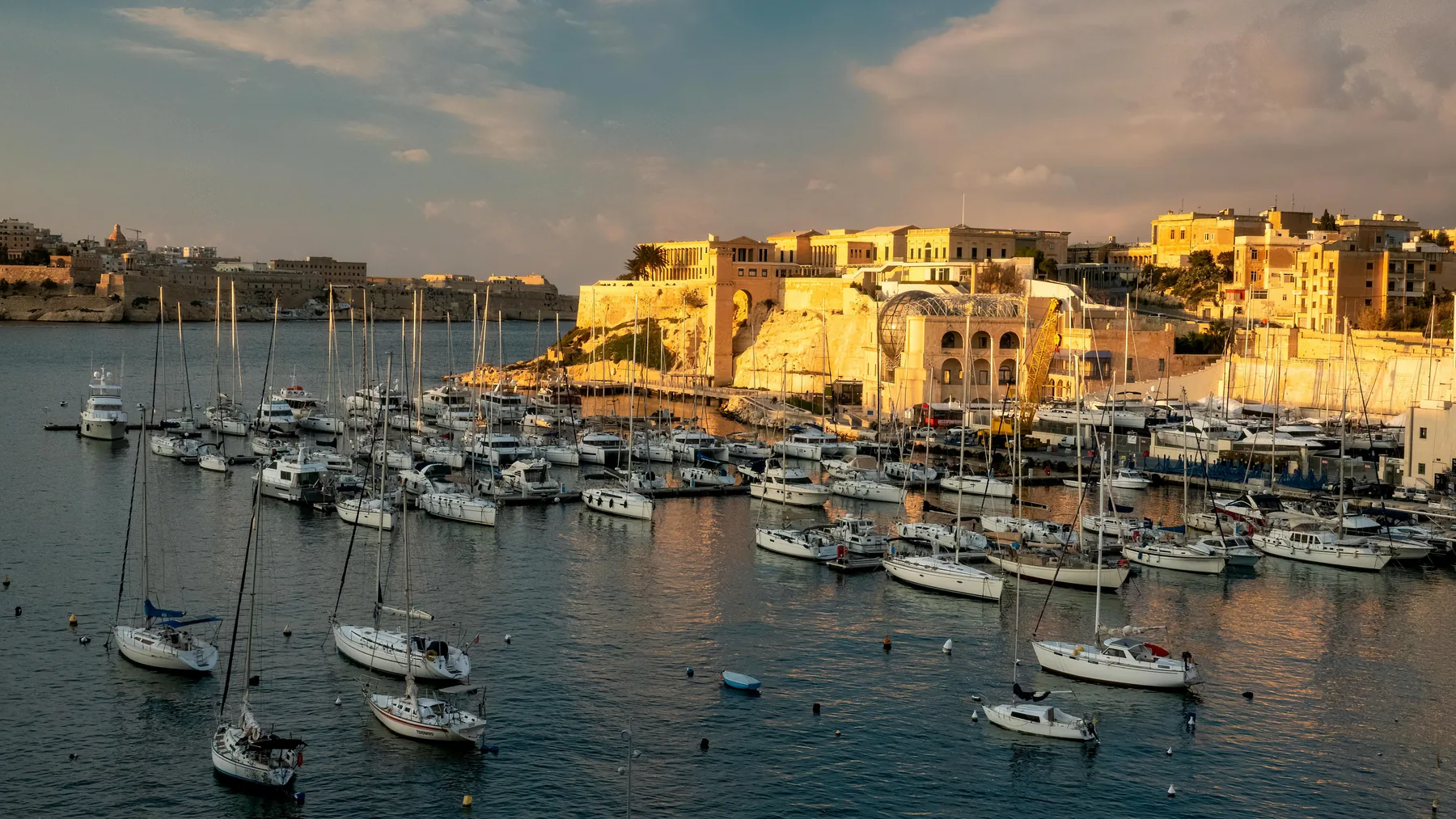
For anyone weighing where to plant a life or a business, that distinction is everything. You want to stand where the tide is coming in. A crowded harbour is a working harbour. An empty one is just a postcard of what used to be there.
A Living Place Still Has to Be a Livable One
None of which excuses complacency, and this is where the thoughtful response begins rather than ends. The sewage that reaches the sea on a bad day is real. The pressure on the water table is real. The ambulance that waits and the road that floods and the view that vanishes behind another grey block are all real, and waving them away with talk of vitality is its own kind of arrogance.
The honest position is the harder one. Malta has the good problem, and good problems still demand serious answers. The work is not to slam the door but to build behind it: the infrastructure, the planning discipline, the public services, and the environmental backbone worthy of the magnetism the island already has. Growth without stewardship curdles. The goal is not fewer people. The goal is a Malta that can carry the people who keep choosing it, and carry them well.
The View From the Inside
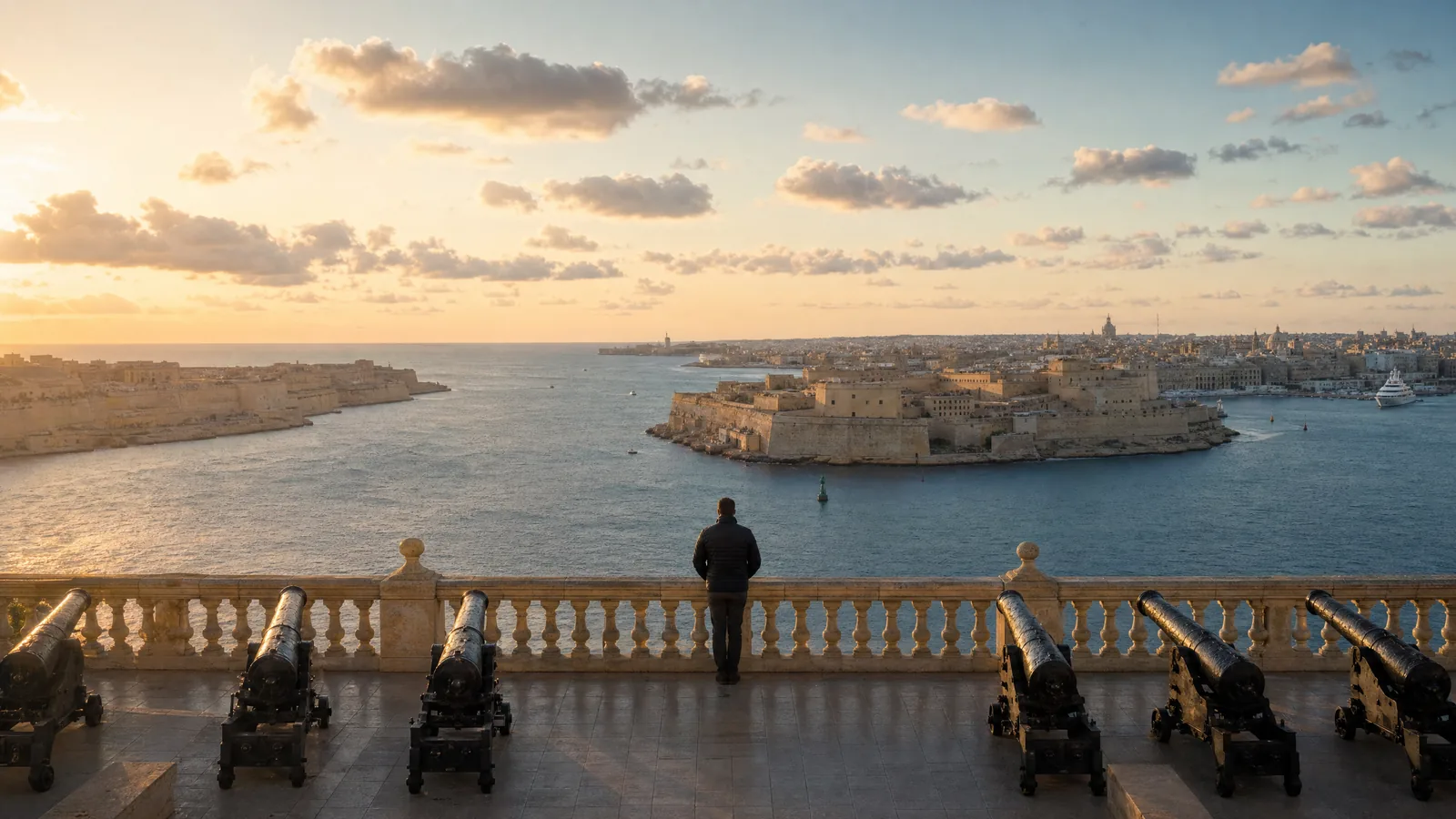
There is an old instinct, when a room gets full, to resent the latest arrival. It is the wrong instinct. The fuller room is the warmer one, the one with the conversation worth joining, the one the cold and empty houses up north would give anything to become.
Malta’s challenge is the challenge of a place that is alive, sought after, and a little overwhelmed by its own success. That is not a crisis to flee. It is a position to defend, to invest in, and to be grateful for. The countries with no traffic and no waiting lists and no cranes are not at peace. They are simply quiet in the way a fire is quiet once it has gone out.
Better a crowded island than an empty map. The rest is just the work of building well enough to deserve the crowd.