Why the people most desperate to leave a safe country are often the least equipped to price what they are giving up. And why Dubai's real product was never the tax.
There is a story going around about a pizza oven.
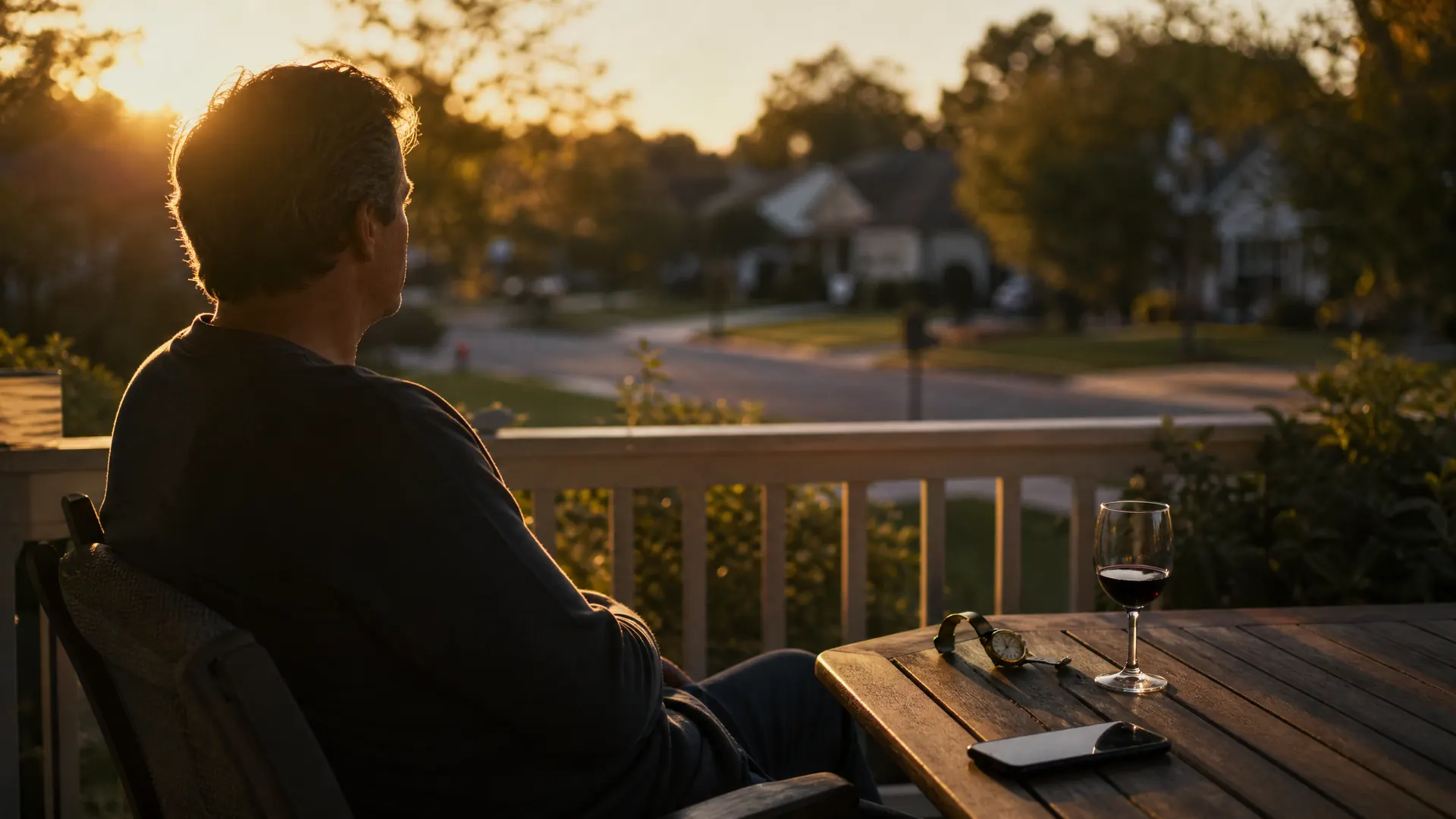
A man who had spent seven and a half years in Brazil is standing in his brother-in-law's kitchen in the United States. The brother-in-law floats an idea. They could buy a pizza oven, keep it out on the back porch, make the dough, prep the toppings, bake a pizza in a couple of minutes. Ordinary suburban talk. And the man just stands there, because the thing that lands is not the pizza. It is that he could keep an oven on his back porch and it would still be there in the morning.
I have read Stephen Storey's account of that moment a few times now, and the line that stays with me is not about the oven at all. It is the admission underneath it. After years in a place where you do not leave nice things out, where wearing even a thin fake-gold necklace earns a quiet warning from a shop cashier, he had not simply stopped buying nice things. He had stopped wanting them. He had talked himself, gently and reasonably, out of the desire itself. Because wanting something you cannot safely have is its own slow tax on the spirit, paid in a currency that never shows up on any government ledger.
That is the part nobody warns you about.
The luxury you cannot see
Safety is the water you are swimming in. You do not feel water. You only ever feel its absence.
I left Germany in 2000. I have lived since then in Switzerland, England, Ireland, Scotland, Malta, and the United States, and I have spent twenty-five years sitting across the table from people who want to leave the German-speaking world. They arrive with a long list of grievances, and almost every grievance is legitimate. The tax. The bureaucracy. The moralizing. The creeping surveillance. The sense that the state has opinions about how you raise your children and how you heat your home.
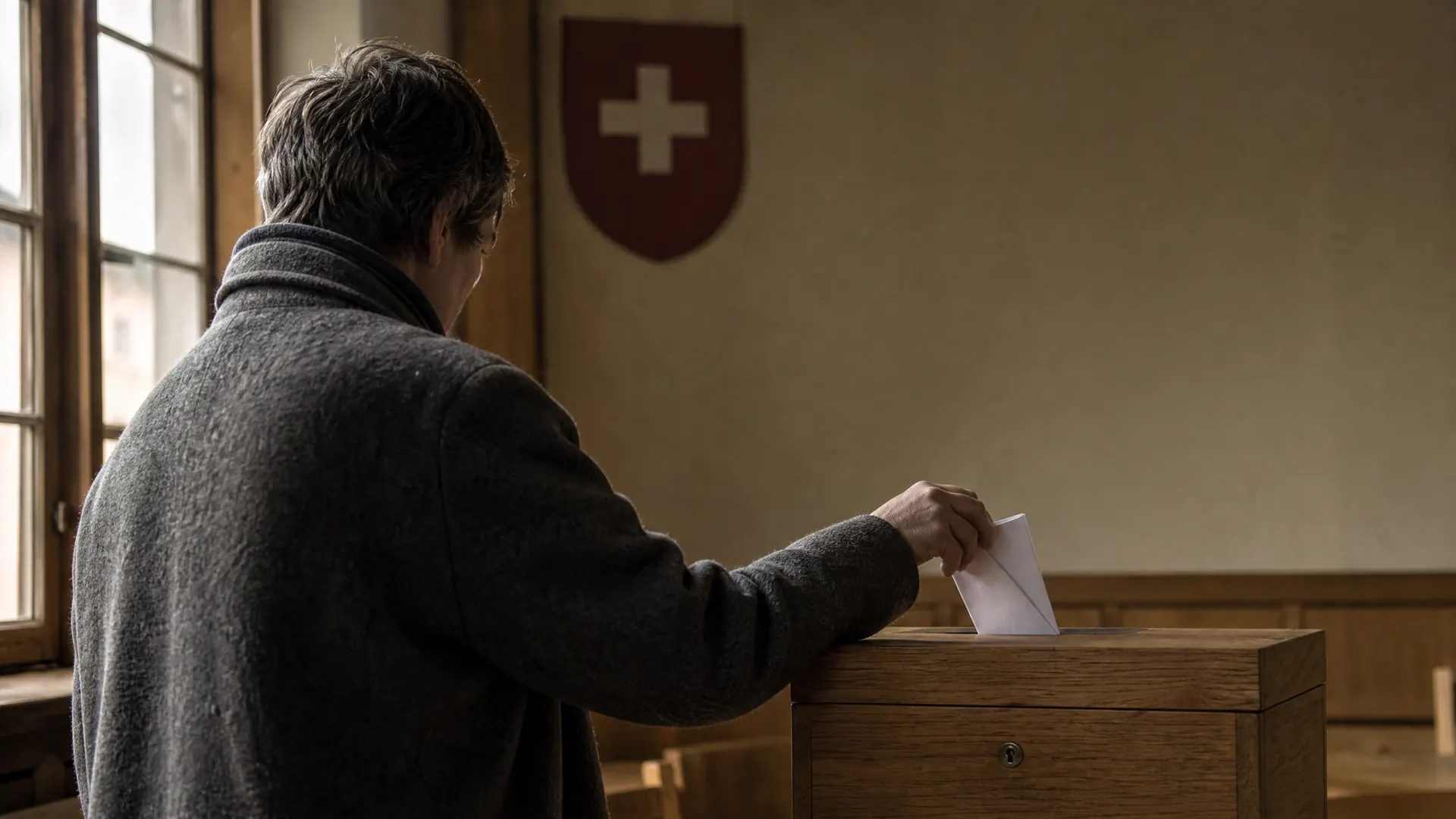
What almost none of them mention is the one thing that sits underneath all of it. They were born into one of the highest-trust societies in human history, and they cannot feel it, because they have never been without it. A wallet left on a train tends to find its way back. A child can walk to school. A bicycle survives a night outside. You can say "the post will come" and simply be right. None of this registers as a feature, because to them it is not a feature. It is just the texture of reality. Air does not feel like a luxury until you are underwater.
So when a Munich entrepreneur or a Viennese doctor starts dreaming about a new life abroad, the spreadsheet they build is honest about the tax and silent about the safety. They price the thing they can see and forget to price the thing that has been holding them the entire time.
Why the safe underestimate safety
There is a phrase the long-term nomads use. The gringo sanity cut-off. Somewhere around the six-month mark in a place where the baseline trust is lower, something in the nervous system starts to fray, and most people never quite notice the fraying because it happens by degrees. You start doing the math at every street corner. You stop wearing the watch. You change which side of the road you walk on after dark. You tell yourself you simply prefer a quieter life, when what you actually have is a quietly rationed one.
The cruel twist is who this hits hardest. It is precisely the person raised in a high-trust society who is least able to adapt, because they have no immune system for it. Someone who grew up negotiating real risk has calluses. Someone who grew up in Salzburg or Zurich or a leafy German suburb has soft hands and a soft sense of the world, and they will spend years insisting they have adjusted while their shoulders climb a little higher every month. They convince themselves. The biology does not get the memo.
I am not romanticizing the home country here. I left it, and I am not going back. But I have watched too many people trade a problem they could name for a problem they could not feel, and then wonder why the new life never delivered the lightness they were promised.
Dubai was never about the tax
This is why I have always thought the world misreads Dubai.
People in the German-speaking world love to slam it. Too hot. Too artificial. Too new. A shopping mall pretending to be a civilization. And I understand the reflex, because those are the things you can see in a photograph. But the people saying it are doing exactly what the emigrant with the honest spreadsheet does. They are pricing aesthetics and missing the product.
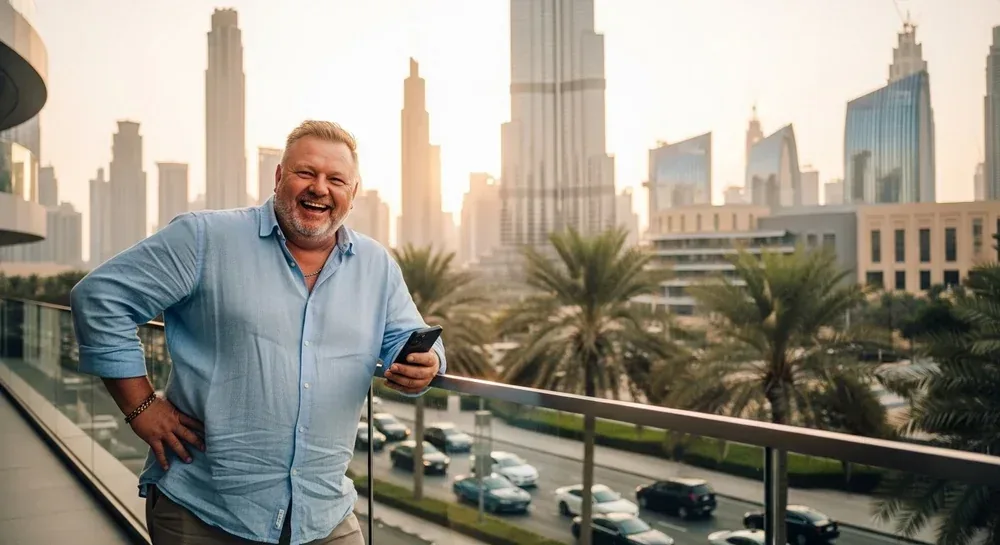
Dubai's real unique selling point was never the zero income tax. It was that the UAE is, by most international measures, one of the safest places on the planet. You could leave your phone on a cafe table and walk to the counter. A woman could come home at three in the morning. A child could exist in public space without a parent doing the threat calculus that Storey was doing on a sidewalk in Brazil. The tax was the brochure. The safety was the thing you actually bought. And for a certain kind of person, someone who had spent years somewhere with a lower baseline, that feeling of being able to exhale completely was worth more than any percentage point.
The tragedy is that the loudest critics of Dubai are usually the people who have never lived anywhere genuinely unsafe. They cannot see the value of the one thing it did best, for the same reason a fish cannot review the water.
The spring the sky cracked
And then this spring, the water moved.
For the first time, the threat was not a story about somewhere else. There were explosions over Dubai and a drone that started a fire near the airport, airspace that closed and reopened and closed again, and restrictions on the busiest international hub on earth that were not fully lifted until May. For a few weeks, the one product Dubai had quietly sold for two decades, the feeling of absolute, unbothered security, flickered.
You could feel the conversation change in real time. The people who had chosen Dubai for the tax shrugged, because a tax regime does not care about a drone. But the people who had really chosen it for safety, even if they had told themselves it was the tax, suddenly had to sit with a harder thought. Safety is not a permanent fixture. It is a position on a map, and maps have fault lines. That is not an argument against Dubai. It is an argument for understanding what you were buying in the first place, so you can tell whether you still have it.
The honest ledger
Storey ends his story in a place I have arrived at too, after a quarter century of crossing borders. The grass is not greener on one side or the other. It is just different. Every place has living grass in some corners and dead grass in others, and the entire game is knowing which patches you can live with and which ones will slowly kill the thing in you that wants things.
So here is the only advice I trust myself to give. When you build the case for leaving, put safety on the ledger as deliberately as you put the tax rate. Give it a number. Stress-test it. Ask the uncomfortable question that the safe almost never ask, which is not "how low can I get my tax" but "what is the lowest level of everyday trust my nervous system can actually tolerate, year after year, without quietly shrinking my own dreams to fit."
Because that is what is really at stake. Not the watch, not the car, not the oven on the back porch. The freedom to want them at all. To walk down a street without doing the math. To leave something out overnight and trust that it will still be there when the sun comes up.
The difference that matters most between any two places on this earth is not the weather or the tax or the skyline. It is whether you are allowed to dream out loud, and then build the dream where everyone can see it.
Life is short and fleeting. One shot. Spend it somewhere you are still allowed to want things.