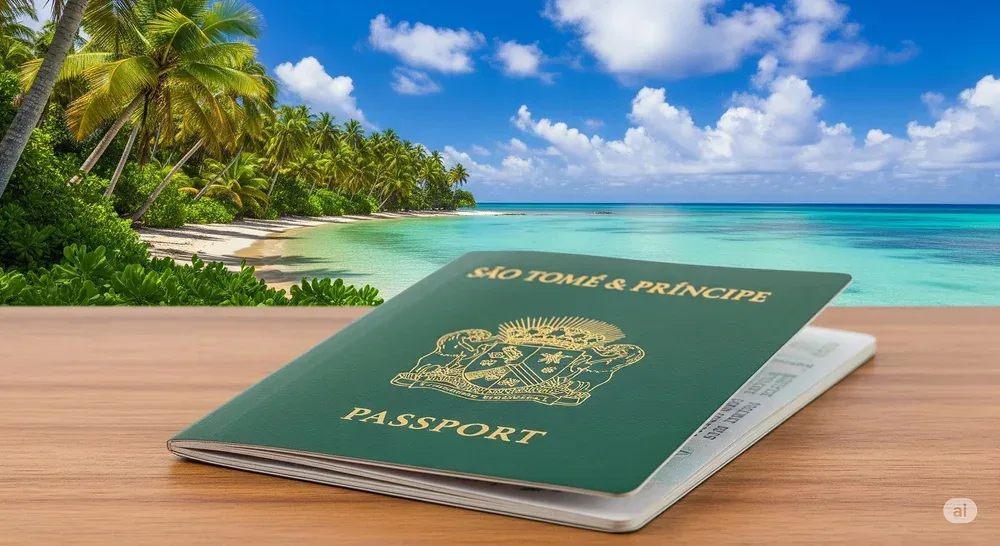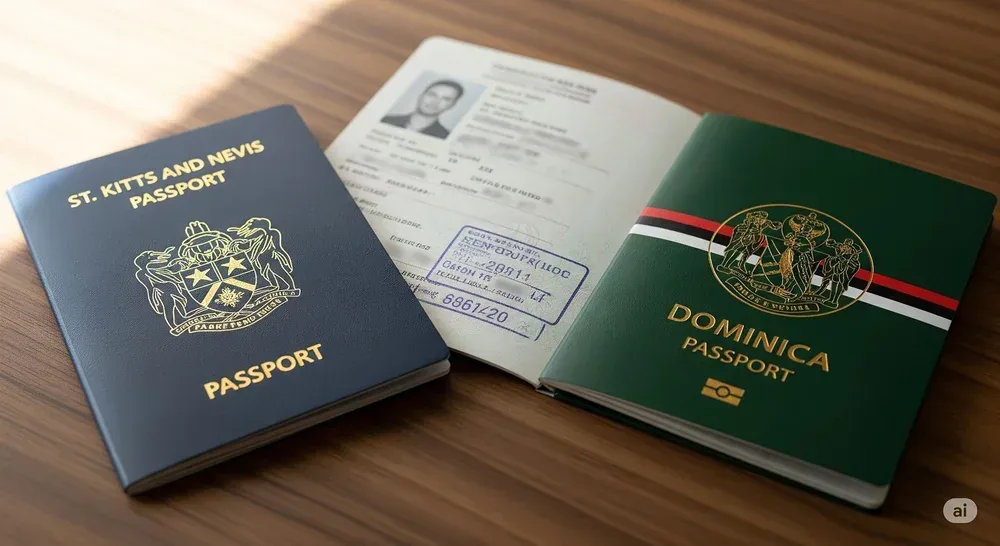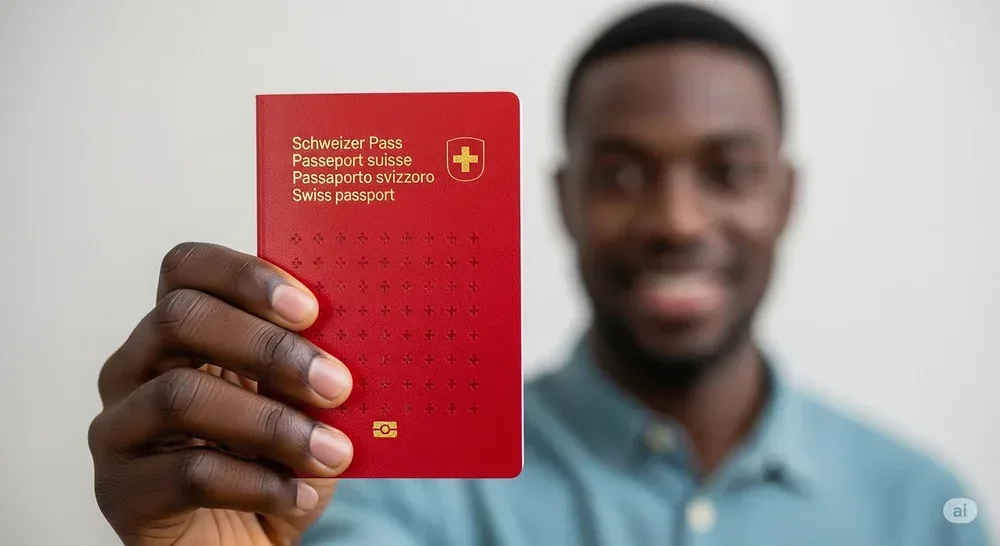
A decade ago, the idea of holding two passports was seen by many as a symbol of affluence, a perk for the jet-set crowd who wanted easier access to luxury villas in Tuscany or ski chalets in the Alps.
Today, it’s something else entirely.
It’s insurance.
In an age where geopolitical tensions are rising, borders can snap shut overnight, and governments are experimenting with new ways to control their citizens, from digital IDs to wealth taxes, a second citizenship has become one of the most important tools for preserving freedom of movement, financial stability, and personal security.
For many, Switzerland sits at the top of that wish list. But the road to becoming Swiss is long, winding, and lined with very particular hurdles. Before we get to that, let’s talk about why the second passport conversation has changed so dramatically, and why it’s no longer just for the ultra-wealthy.
The World Has Changed, And Not for the Better
In Europe, in North America, and far beyond, the old assumption that you can simply hop on a plane when things go bad no longer holds true.
The past few years have shown just how fast freedom of movement can vanish.
- Pandemic: whole countries sealed off overnight.
- Ukraine: men of military age forbidden to leave once the war began.
- Conscription talk: reappearing even in countries that thought they’d abolished it for good.
Even in nations where military service was considered history, it’s creeping back in. In Germany, young men and women are receiving questionnaires that look suspiciously like the first step toward a draft. In a real conflict, whether under NATO’s Article 5 or the EU’s even more far-reaching mutual assistance clause, travel could be restricted, passports suspended, and people ordered to the front lines.
If that happens and you have only one citizenship, your options shrink fast.
If your only passport expires while you’re abroad and your government won’t renew it at its embassies, exactly what Ukraine has done for its citizens, you’re stuck.
With a second passport, the picture changes completely:
- You can keep moving.
- You can renew your documents elsewhere.
- You’re not trapped.
It’s Not Just About War, It’s About Taxes and Control
Military service isn’t the only reason a second citizenship matters. Another scenario is taxation based on citizenship rather than residency.
Right now, the United States is the most famous example; Americans pay tax no matter where they live. But similar proposals have surfaced elsewhere:
- Germany: political parties have floated the idea in election programs.
- France: discussed in parliamentary committees.
The logic is clear: as wealthy people and entrepreneurs increasingly relocate, governments are looking for ways to keep taxing them after they’ve left.
These measures would require renegotiating double tax treaties, so they’re not easy to implement. But in times of crisis, governments can move faster than you think, and when public finances are under pressure, “soak the expats” becomes an easy sell politically.
If you have only one citizenship and your country goes down that road, you have no escape. But if you’ve already secured another citizenship, you could, in theory, give up the first and remove yourself from that tax net entirely.
And remember, these ideas often come packaged with wealth taxes. A global wealth tax tied to citizenship would mean your worldwide assets, not just your income, could be targeted. Again, a second citizenship can be the difference between being caught in that net and staying free.
Why Switzerland Tops So Many Lists
When people talk about their “dream” second passport, Switzerland is right up there with Singapore, New Zealand, and a handful of Caribbean states. The Swiss appeal is obvious:
- Not in the EU - insulating it from many Brussels-led measures.
- Long-standing neutrality - still meaningful, even if under pressure.
- Political stability - one of the world’s most established democracies.
- Strong currency - the Swiss franc is a fortress in turbulent times.
- Safety - among the lowest crime rates in the world.
- Wealth and infrastructure - consistently at the top in global rankings.
It’s a safe harbour in every sense: economically, politically, and physically. Which is exactly why so many dream of holding that iconic red passport with the white cross.
The Long Road to Swiss Citizenship
Here’s the reality check: becoming Swiss takes time. A lot of time.
If you’re an EU citizen moving to Switzerland (we’ll use that example because the process is relatively straightforward compared to other nationalities), you first apply for a B permit, a five-year residence permit.
To get it, you must show you can support yourself: a job, a business, assets, or a pension. You can’t just arrive with nothing and expect the Swiss state to cover you.
After five years on a B permit, you can apply for the C permit, which is permanent residency. Keep that for another five years, and you’ll have the legal right to apply for citizenship, meaning you’ve lived in Switzerland for 10 years.
But here’s the twist: the application itself can take another two to three years, and Swiss naturalisation isn’t decided at the federal level. It’s decided locally, by your municipality.
When Your Neighbours Decide Your Future
This local control means the process and the success rate varies dramatically between places.
In large cities like Zurich, there’s usually a formal committee, and if you meet the criteria, your chances are good. In small towns, things can be very different.
You could be rejected because you:
- Haven’t integrated enough
- Don’t speak the local dialect
- Haven’t joined community organisations
- Simply aren’t well liked
Police records, unpaid debts, or a reputation for being antisocial can also sink an application.
And here’s another catch: in many municipalities, you must have lived there for a minimum number of years before applying for citizenship, often at least five. If you’ve moved around Switzerland during your decade of residence, you might find yourself short of the local requirement.
I’ve seen how this reality lands with people. At my recent seminar in Zurich, the mood in the room was buzzing when we first started talking about Swiss citizenship. The moment I explained how long it takes, I could literally see the energy shift. Smiles faded. Shoulders slumped. For some, it was like hearing that their dream home was on the other side of a mountain they weren’t sure they wanted to climb.
I understand that feeling all too well. I lived in Switzerland for years, in the canton of Schwyz, infamous for its low approval rate of citizenship candidates. The people there are proud, traditional, and not quick to hand out their nationality. To be honest, I could never be bothered to go through the process. For me, it didn’t make sense. I had other options, a British passport, and eventually others that fit my life and business far better.
That’s not to say Swiss citizenship isn’t worth pursuing. For many, it absolutely is. But you need to go in with eyes wide open: this is not a “next summer” kind of project. It’s a decade-plus commitment that requires not just residence, but roots.
The Good News: You Don’t Have to Give Up Your Original Citizenship
In the past, some countries, like Germany before mid-2014, required citizens to get special permission to keep their nationality when acquiring another. That’s no longer the case in many places, and it’s becoming even easier.
Germany, for instance, now allows dual citizenship with non-EU countries as well.
That means if you qualify for Swiss citizenship, you can usually keep your original passport too. And if Swiss nationality is out of reach for now, there are plenty of other countries offering attractive options, from fast-track programs in the Caribbean to citizenship by descent in Ireland, Italy, or Poland.
Ready to Start Your Second Citizenship Journey?
Many people get discouraged when they hear how long Swiss naturalisation takes, and that’s exactly when you need a clear plan. Whether the Swiss passport is your ultimate goal or just one option among several, the important thing is to start moving in the right direction now.
If you’re serious about protecting your freedom, your wealth, and your options, my team and I can help you map out the best route, Swiss or otherwise. We’ve spent nearly two decades guiding entrepreneurs, investors, and internationally minded families through relocation, tax optimisation, and second citizenship strategies.
From the right jurisdiction to the right sequence of moves, we’ll help you build a Plan B that’s solid, legal, and tailored to your life.
Don’t wait until the borders close or the rules change. Book your confidential consultation today and take the first concrete step toward a future with more freedom and security.