Hardly a month goes by without someone asking me about retiring to the Philippines. The question is usually framed around the SRRV, the Special Resident Retiree's Visa, and the honest answer changed on 1 September 2025, when the Philippine Retirement Authority restructured the entire programme.
I used to have a standalone SRRV article on this site. That piece now lives with our team in Davao, who process these applications on the ground and keep a full SRRV guide current with every PRA circular. What I want to do here is different: give you the whole 2026 picture in one place. The visa options as they stand today, the alternatives nobody puts in brochures, the tax position, the healthcare reality, and where in the country I would actually live.
The SRRV After the Restructuring
First, what died. The SRRV Smile, the option that let applicants as young as 35 in with a 20,000 dollar bank deposit, is gone. So is the Human Touch option for people needing medical care. If you read a blog post or watched a YouTube video from 2024 telling you the Philippines hands out retirement visas at 35 for twenty grand, you are reading history.
What remains is simpler and more expensive. The PRA's official programme document (I am linking the archived copy from May 2026, since the PRA site blocks automated access) sets out two tracks: SRRV Classic and SRRV Courtesy.
The minimum age is now 40. No exceptions.
For SRRV Classic, the deposit depends on your age and whether you can show a pension:
- Age 50 and above with a pension: 15,000 US dollars
- Age 40 to 49 with a pension: 25,000 US dollars
- Age 50 and above without a pension: 30,000 US dollars
- Age 40 to 49 without a pension: 50,000 US dollars
"With a pension" means documented income of at least 800 dollars a month for a single applicant, or 1,000 dollars for a couple or family, apostilled. A UK state pension, a US Social Security award letter, a company pension: all of these work if the paperwork is properly authenticated.
The deposit covers the principal plus two dependents. Each additional dependent adds another 15,000 dollars. The one-time PRA processing fee is 1,500 dollars for the principal and 300 dollars per dependent, and the annual PRA fee for Classic is 360 dollars, again covering the principal and two dependents, with 100 dollars for each extra head.
SRRV Courtesy still exists at much lower deposits (1,500 to 6,000 dollars), but it is reserved for a narrow club: retired diplomats, retired officers of recognised international organisations, foreign military personnel who served under a defence agreement with the Philippines, and former Filipino citizens. If that is you, you already know it.
Processing takes 30 to 45 working days from complete documents, and you must be physically in the Philippines for the whole application process. Plan the trip accordingly.
Is the SRRV still worth it? For the right person, yes, emphatically. It is indefinite residence with multiple entry for a refundable bank deposit. A 62-year-old with a documented pension puts 15,000 dollars in an accredited Philippine bank, pays 1,500 dollars once and 360 dollars a year, and never worries about immigration status again. Compare that with what Portugal or Spain now demand from retirees and it looks almost quaint. The full requirements list, the bank mechanics, and the current processing realities are on the Davao team's SRRV page, which I keep pointing people to because they update it from live cases, not from press releases.
The Alternatives Nobody Advertises
Here is what surprises most people: you do not actually need a visa to spend years in the Philippines.
Citizens of visa-waiver countries (which includes the UK, the US, most of Europe, Canada, Australia) arrive with 30 days and then simply extend. And extend. And extend again. The Bureau of Immigration allows tourist stays to be strung out, extension by extension, up to a total of 36 months before you must leave the country and reset the clock. For visa-required nationals the ceiling is 24 months. This is not a loophole. It is published policy, processed at immigration offices all over the country, and tens of thousands of long-stay foreigners live exactly this way. A weekend in Singapore or Hong Kong every three years is the entire compliance burden.
I would not build a permanent life on a tourist status: you cannot open every kind of bank account, some landlords and institutions want more, and you are always a policy change away from disruption. But as a way to spend two or three years testing the country before committing capital to an SRRV deposit? It is the obvious first move, and almost nobody in the visa-selling industry will tell you that, for the obvious reason that there is nothing to sell.
The second alternative applies if your spouse is a Filipino citizen: the 13a non-quota immigrant visa. Marriage-based, no deposit, no age requirement. You get a probationary year first, then convert to permanent residence. For the many Western men and women who retire to the Philippines precisely because their partner is from there, the 13a beats the SRRV on every dimension except one: it is tied to the marriage. If the marriage ends, so does the status.
The Tax Picture
This is the part that deserves more attention than it gets, because the Philippine position is genuinely good for retirees.
The Philippines taxes on a territorial basis for foreigners. Resident aliens are taxed only on Philippine-source income. Your UK pension, your US Social Security, your dividends from a brokerage account in Zurich, your rental income from a flat in Manchester: none of it is Philippine taxable income, no matter how long you live in Cebu or Davao. There is no wealth tax on foreign assets and, as things stand, the Philippines does not participate in the Common Reporting Standard.
What the Philippines does not tax, your home country still might. Americans remain in the IRS net wherever they live; the Philippines does not change your filing obligations, it just declines to add a second layer. For British retirees there is one detail worth knowing that cuts the right way: the Philippines is on the official list of countries where the UK state pension keeps its annual increases, thanks to a reciprocal agreement. Retire to Manila and your state pension is uprated every year. Retire to Sydney or Toronto and it is frozen on the day you leave. Few people know this, and it quietly makes the Philippines one of the better destinations for a UK state pensioner.
The details of exit from your home tax system, timing of pension drawdowns, and what happens to investment accounts when you change residence: that is planning work, and it is exactly what I do with clients. The point here is that the destination side of the equation is about as clean as it gets.
Healthcare, Honestly
Now the part where I refuse to sell you a dream.
Philippine healthcare is two different worlds. The private hospitals in Manila, Cebu and Davao are good: internationally trained doctors, English spoken everywhere, modern equipment in the flagship institutions, and consultation prices that feel like a rounding error compared with private care in London or the US. Routine care, dentistry, elective procedures: excellent value, often excellent quality.
The public system is a different story: underfunded, overcrowded, and not where you want to be in an emergency. And the private hospitals, good as they are, expect money before treatment. The cash deposit before admission is a real feature of the system, not an expat myth. Nobody will treat first and bill later the way a European hospital would.
So the rules for a retiree are simple. Carry proper international health insurance, and check the age limits before you commit, because many insurers will not start covering new clients in their seventies. Keep an emergency fund that can cover a hospital deposit without selling assets. And for the truly serious cases, the honest answer is that wealthy patients and well-insured expats fly to Singapore or Bangkok; medical evacuation cover is not a luxury item here. US retirees should also remember that Medicare does not travel with you outside the United States.
None of this is disqualifying. It just requires the thing retirement planning always requires: honesty about the decade ahead, not just the year ahead.
Why Davao, Not Manila
If you have read me before, you know where our Philippine office is, and why. Manila is the default answer and, for a retiree, mostly the wrong one: the traffic, the congestion, the crime that requires constant low-level vigilance, the sheer exhausting scale of the place.
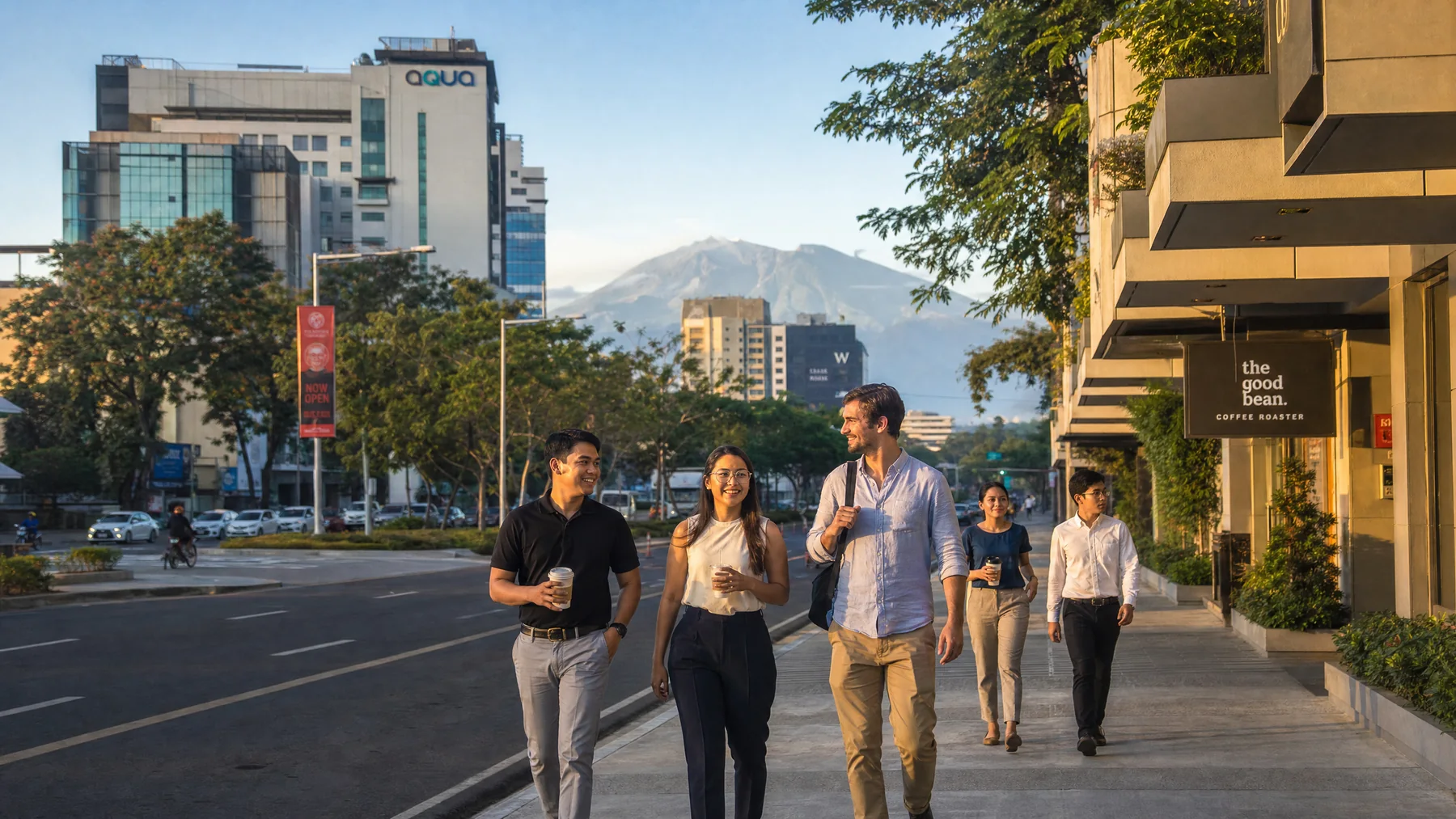
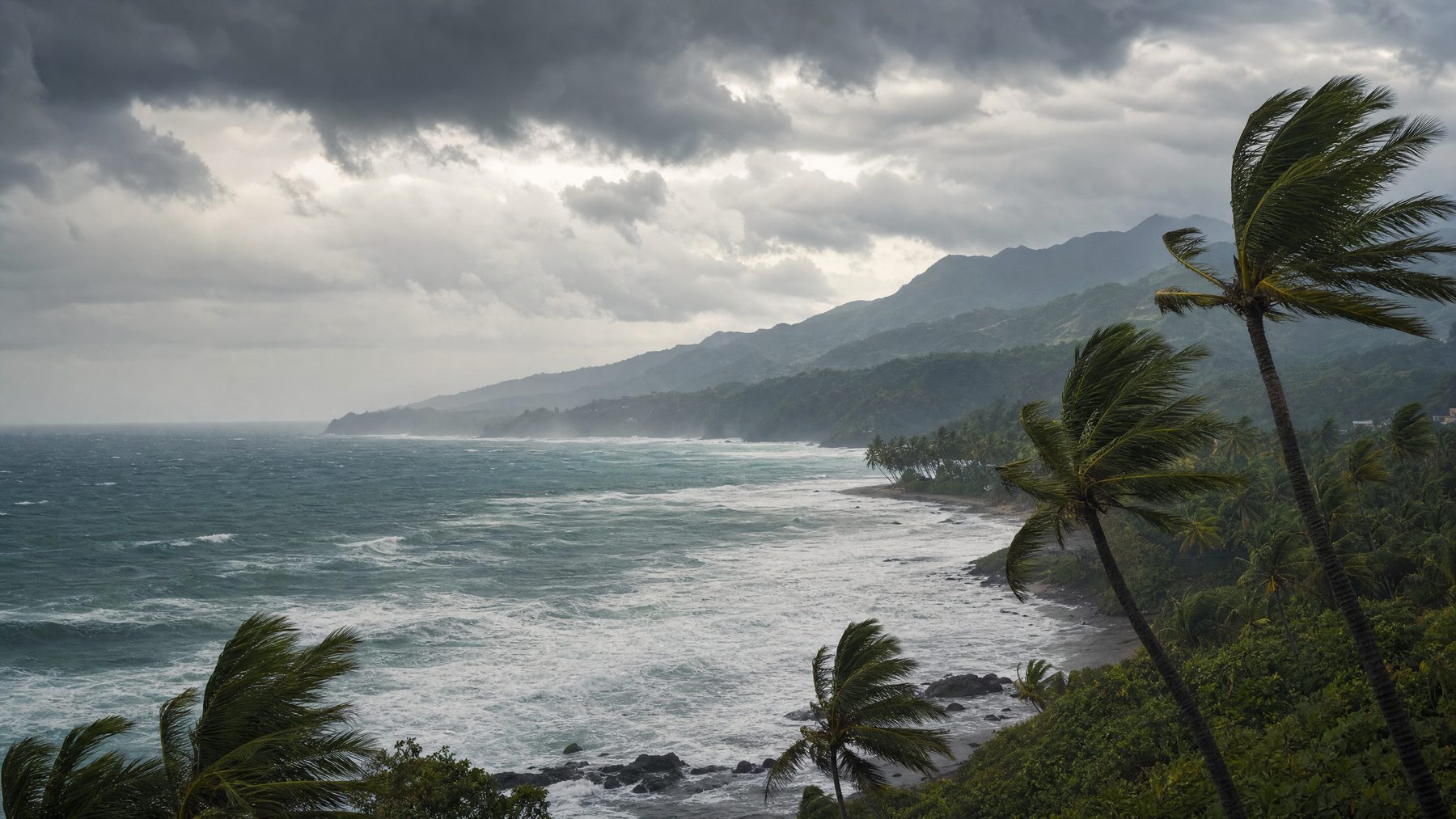
Davao is the working alternative. It sits behind mountain ranges that deflect the typhoons that batter the rest of the archipelago, it ranks among the safest large cities in the region, and it offers real hospitals, direct flights to Singapore, and a cost of living that makes a Western pension feel substantial. I have written about why it beats the usual Southeast Asian suspects for people who want a base rather than a holiday. Our people there are not a call centre; they live in the city, they walk applications into the PRA's Mindanao office, and they know which parts of the process are smooth and which require patience.
The 2026 picture, then. The cheap young person's SRRV is gone, and the programme that remains is a clean, honest deal for people over 50 with a pension. The tourist extension route gives you years to decide before you commit a deposit. The tax treatment of foreign pensions is among the friendliest anywhere. The healthcare requires planning, not panic. And the right city is not the one on the postcard.
Work with Sebastian
If the Philippines is on your retirement shortlist and you want the visa route, the tax exit from your home country, and the practical setup thought through as one plan rather than three separate problems, let us talk it through properly. Book a consultation.