The boy who wanted out
The question that started everything
One evening in 1985, when I was about eight, my father came home from America.
It was his first trip ever to the United States: the San Francisco Bay Area. To a boy in Freiburg, he might as well have been to the moon.
I remember his suitcase landing on the hall floor, and the smell that came out of it when he opened it. Airplane, foreign soap, something sweet. Then the presents, one by one, on the kitchen table. A 49ers cap. A bag of Jelly Belly beans in colours we had never seen. A little Golden Gate Bridge that I didn't let out of my hands for a week.
At dinner he talked, and none of us moved.
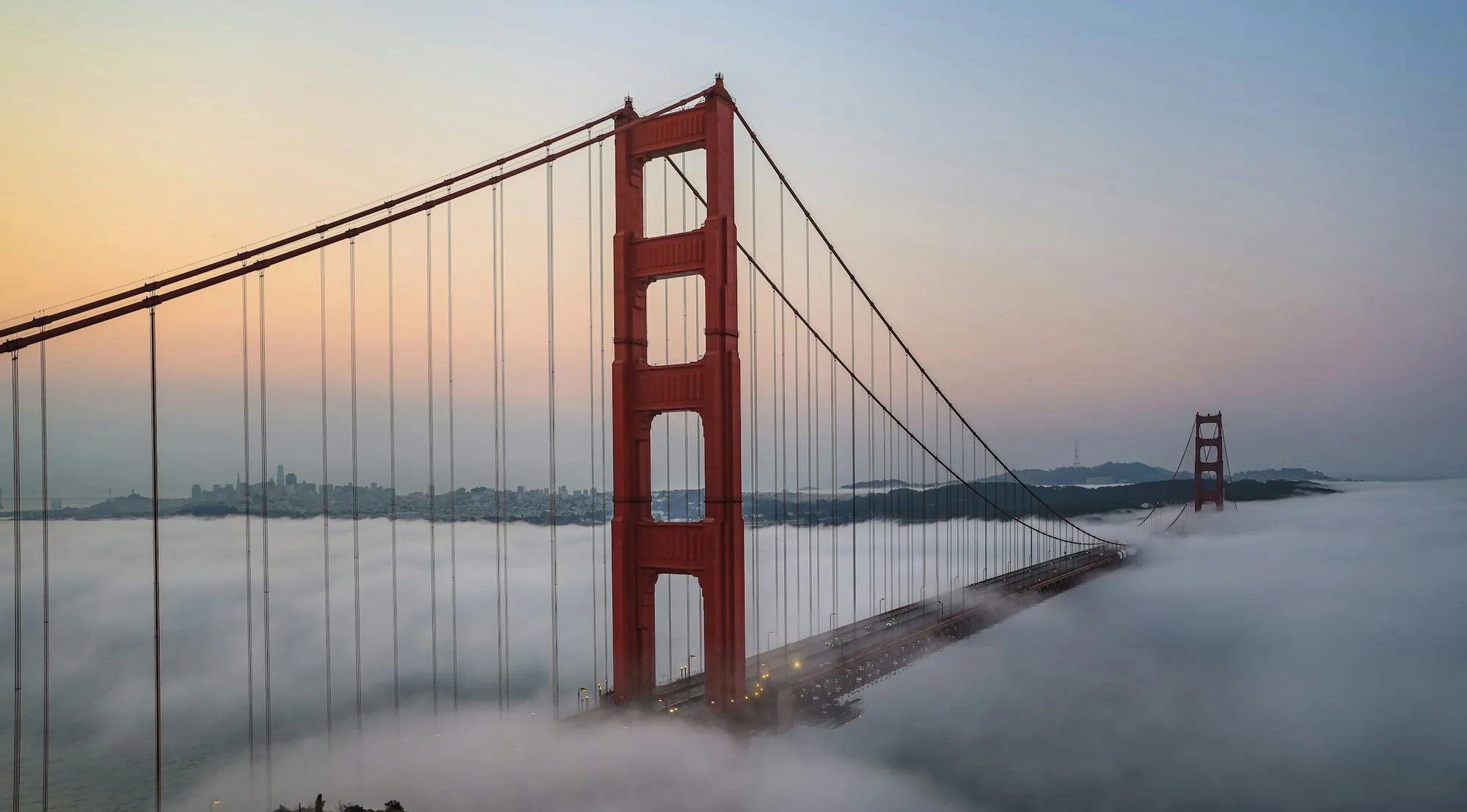
Freeways with eight lanes. The Golden Gate rising out of the fog. Cable cars clinging to the hills of San Francisco. Steaks the size of the plate, and ice cream portions that could have fed our whole family. South of the city, young men in jeans were building computers in their garages and talking as if they were about to change the world.
Over there, he said, nobody asked what couldn't be done. They asked how fast.
Then, almost in passing, he mentioned that a company there had offered him a job.
The table went silent. Then we exploded.
We children begged him. Please, Papa. Please. In my head I was already there, cap on, sun on my face, a whole continent in front of me.
He laughed and let us dream for a while.
And then he said no.
The suitcase went up to the attic. The cap faded. Life in Freiburg went on exactly as before, as if America had been just another one of his stories.
But that night one question lodged itself in my head, and it never left.
How can you see America and just come back?
I have spent my life answering it.
The prettiest cage in Germany
I was born in Freiburg im Breisgau in 1977, and I will say this for it: it is beautiful.
Cobblestones polished by eight hundred years of feet. Red sandstone glowing in the evening sun. The Münster tower rising over the rooftops like stone lace. Little streams, the Bächle, running through the gutters of the old town, vineyards on the slopes, and beyond them the dark wall of the Black Forest.
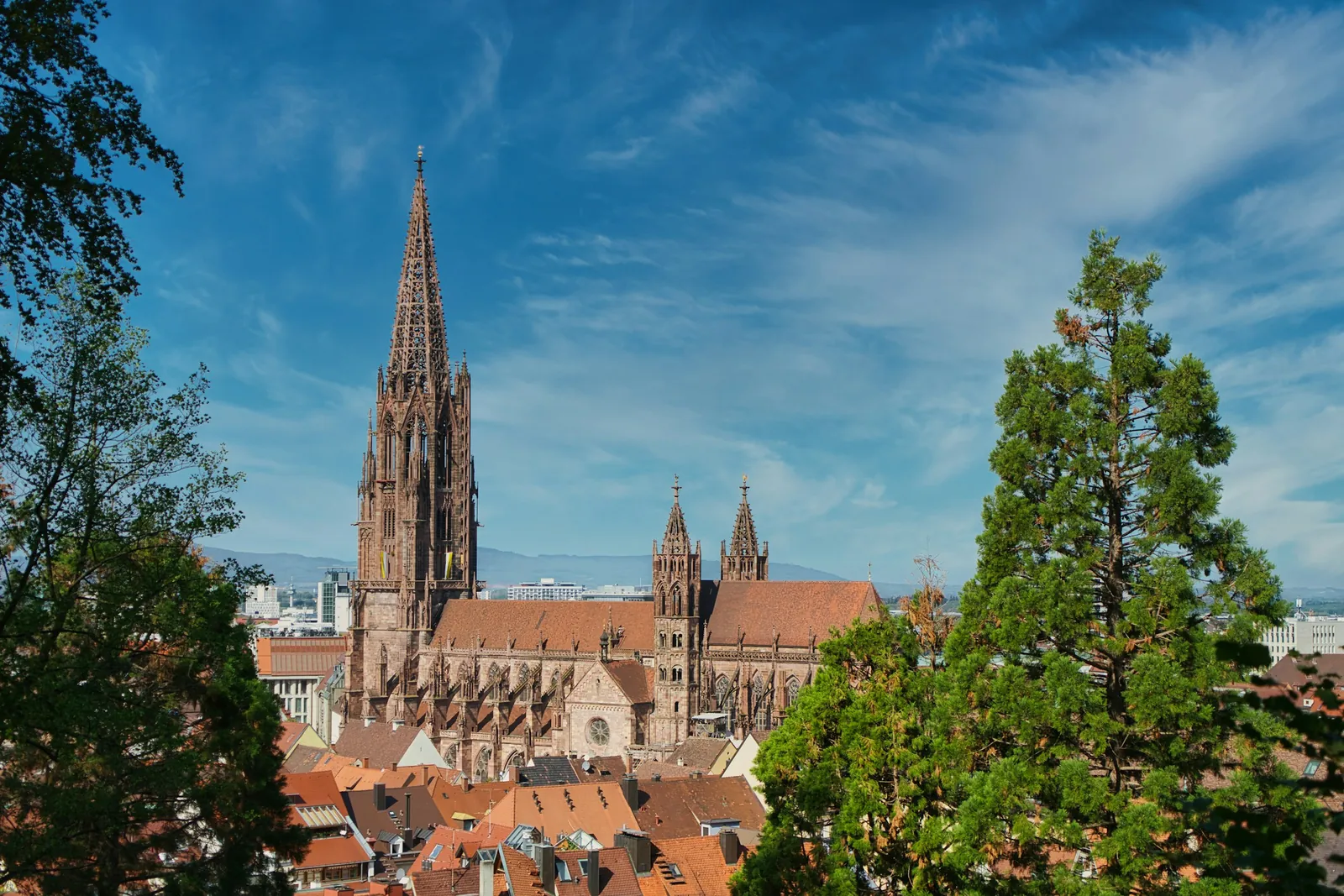
Tourists stood in the market square with their mouths open.
I stood there and looked at the hills, wondering what was on the other side.
We were a large Catholic, conservative family. Mass on Sunday, books on every wall, strong opinions at every meal, and a big wooden kitchen table that was never empty: aunts, uncles, cousins, my father's colleagues and their families. My parents gave me my faith, a sense of duty, a feel for history and a love of the land, and I have carried all of it with me ever since.
What nobody in that kitchen had ever done was leave.
We were steelworkers and electricians, carpenters and civil servants, nurses and engineers, teachers, a professor here, an opera singer there. Solid people. People who stayed where they were born.
With one exception, and at family gatherings it was told like a legend.
In 1953, my great-uncles Johannes and Ludwig turned their backs on a Germany that was still in ruins. The Chilean government was promising free land to German settlers, and the two young men took it: around a hundred acres each, at the southern tip of the Atacama Desert on the Pacific coast. Neither of them had farmed a day in his life.
It was no land of milk and honey. Johannes fought over water rights for eight years, gave up, came home and became a teacher. Ludwig had better land and more luck. He stayed, and he built a family farm and businesses that his family still runs today.
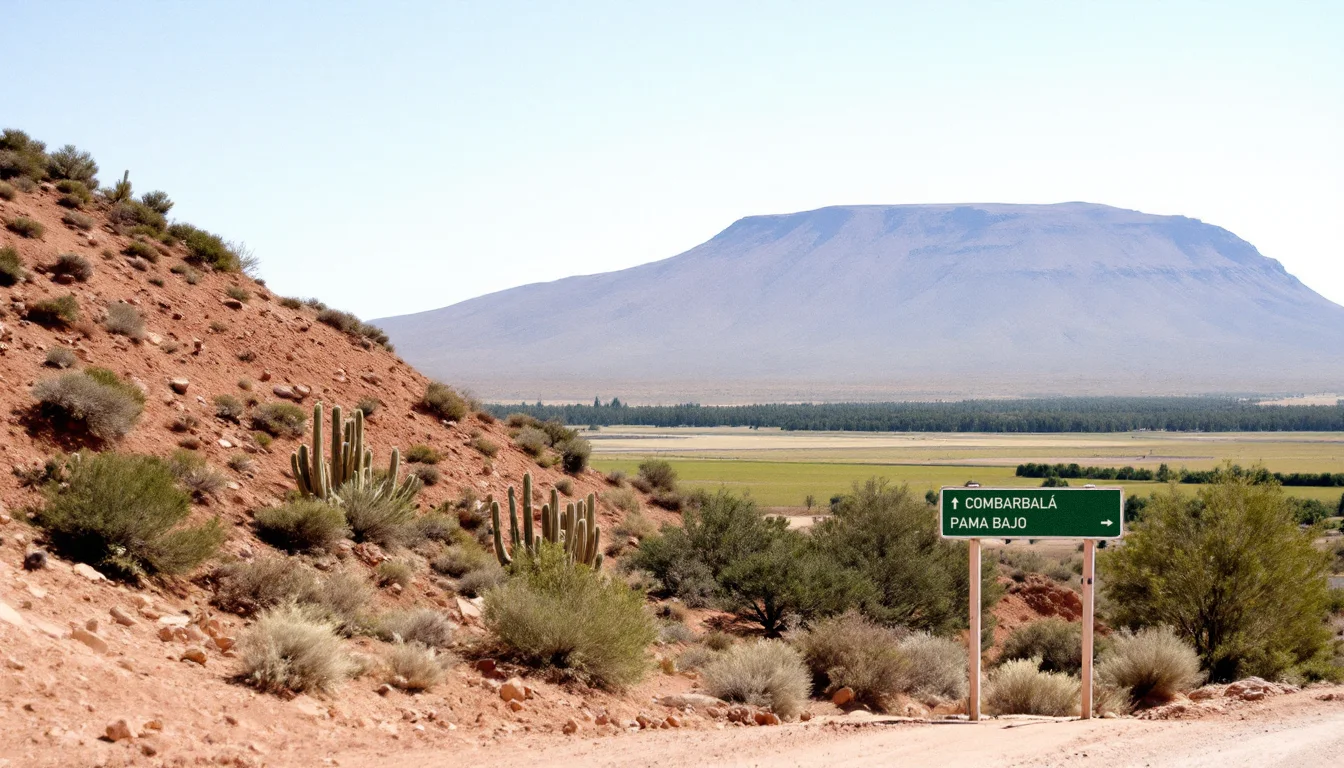
Two brothers. The same dream. One came back. One stayed.
I knew which one I wanted to be.
But the city around me was pulling the other way. Freiburg was becoming the cradle of the early Greens. "Atomkraft? Nein danke" stickers on every second bicycle. Earnest people in hand-knitted jumpers who knew exactly how you should live, what you should eat, how you should sort your rubbish, and what you should think about all of it. And always that one sentence, the soundtrack of my childhood:
Das macht man nicht. That isn't done.
Beautiful medieval city. Narrow lanes. Even narrower minds.
So I escaped the only way an eight-year-old can.
Saturday afternoons belonged to the television. The A-Team crashing through a wall in a black van. KITT gliding through the desert night with Michael Knight at the wheel. America on a small screen in a German living room, loud and fast and fearless. I saved every Mark I could for a pair of Nike trainers and wore them until they fell apart.
At night it was Karl May, under the blanket with a torch. Winnetou and Old Shatterhand, endless prairies, campfires, horses, men who settled things themselves. The funny part: Karl May's original publisher had been right there in Freiburg. I walked past the building on my way to school, a boy in a proud provincial city, dreaming of the biggest country on earth.
And on my windowsill stood a little Golden Gate Bridge.
Over the hills at last
The first real door out of Freiburg was a red and black neckerchief.
I joined the Scouts, and suddenly the hills I had stared at all my childhood were not the edge of the world any more. They were where the adventure started.
Every summer we loaded up the rucksacks, the tents and the cooking pots and headed south. Italy, with its sunburnt hills, cypress trees and ice cream that ruined every German ice cream forever. France, with its long straight roads lined with plane trees, and bread you ate warm on the side of the road. Greece, with its white light, blue water, olive groves and nights so warm we slept outside the tents.
We went rafting through white water, soaked to the skin, screaming with laughter, paddling for our lives and loving every second.
And when the summer was over, we didn't stop. In winter we went up into the Alps.
We dug out a clearing in the snow and raised our black canvas yurts, then built a fire in the middle with the smoke curling out through the top. Outside it was eighteen below. The air burned in your nose and the stars were so sharp they looked close enough to touch. Inside, we sat around the flames wrapped in sleeping bags, faces glowing, telling stories and drinking tea that was too hot, until we fell asleep with frost on the canvas a hand's width above our heads.
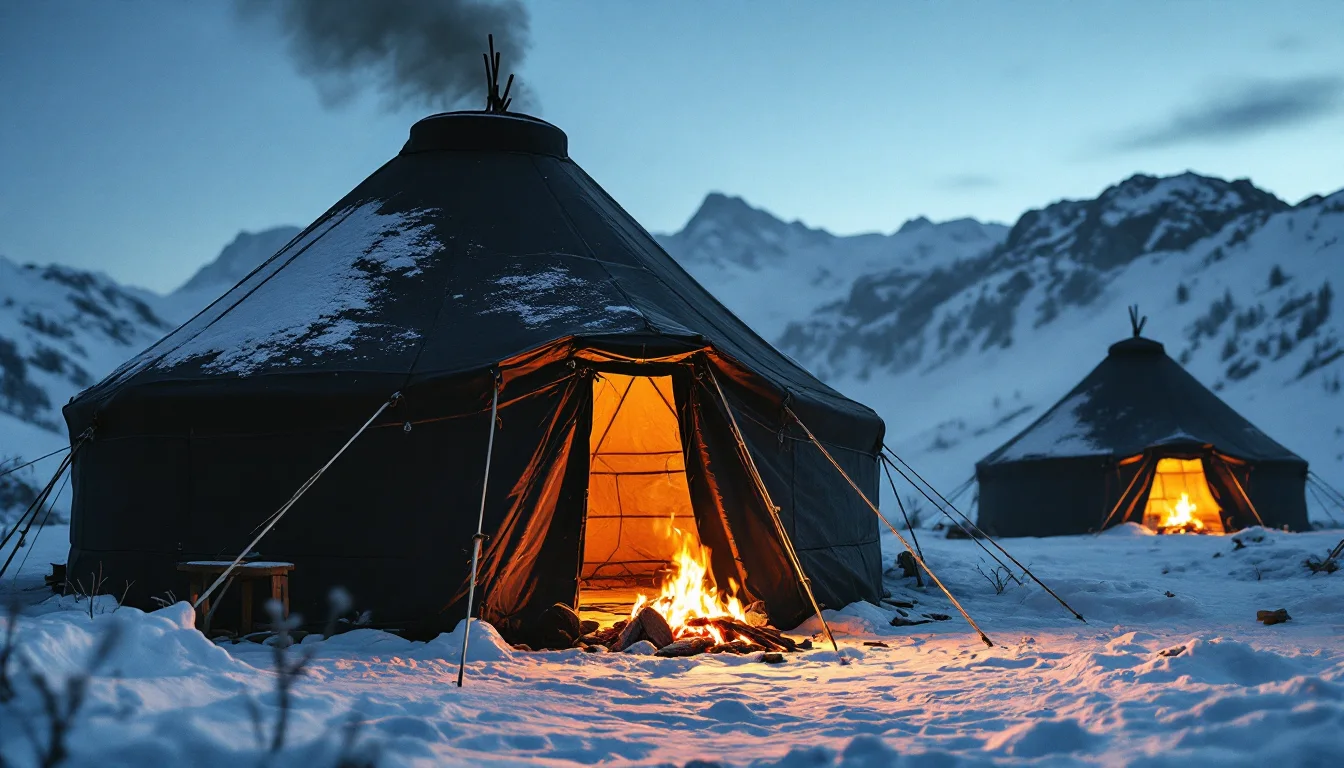
We got lost, found our way back, and fixed what broke with string and stubbornness. Nobody up there told us what isn't done. Old Shatterhand would have approved.
They were some of the happiest days of my life.
And every time the bus rolled back into Freiburg, the city looked a little smaller.
I had seen what was over the hills. Now I wanted all of it.
Too young for all of it
Then life threw me an adventure no scout camp prepares you for.
In 1996, at nineteen, I became a father.
I remember the weight of that tiny body in my arms, and the strange calm that came over me. Whatever else I was going to do with my life, I was now responsible for someone else's.
In 1997 I sat my Abitur. I revised with a baby on my arm and a pot of coffee on the kitchen table. The same year I got married.
My friends were going interrailing and sleeping until noon. I was changing nappies and paying rent.
I went to work in my father's small firm, in IT. In the evenings, once the house was quiet, I studied. I had enrolled at the FernUniversität in Hagen, Germany's distance-learning university. The course material came in thick envelopes by post, and I worked through it at the kitchen table long after everyone else was asleep. Coffee, lamplight, a baby monitor on the table.
My father and I loved each other, and we fought like two stags in a clearing. Same stubborn chin, same temper, completely different ideas of what my life should be. He had built something and wanted me in it. I wanted something he could not give me, and I couldn't even name it yet.
I tried Berlin for a short spell. The city was one big building site, cranes over Potsdamer Platz, a country busy reinventing its capital. It was exciting.
But it was still Germany. The same forms, the same rules, the same voice telling you what isn't done.
So when PwC offered me a job in Zurich in the spring of 1999, I didn't think twice.
Into the world
The first step: Zurich
In May 1999 I drove south, envelopes from Hagen on the back seat.
It was not exactly the Wild West. The border was not even two hours from Freiburg, the Swiss were orderly, the trams ran to the second, and the streets were clean enough to eat from.
But I had crossed a border. In my family, that made me a pioneer.
On my first day, in an office on Konradstrasse, I was given a desk in a room where you could still smoke. Across from me sat an Englishman.
His name was Mike C. Proper English suit, Grenson shoes, a sharp tongue, terrible teeth, and not the slightest respect for anything pompous.
I lit a Benson & Hedges.
He looked up. "Good man," he said.
That was the start of a friendship that changed my life.
Mike had spent decades in the City of London, and he told stories the way other men breathe. Bankers and brokers. Lunches that ended at six. Deals done on a handshake in a pub. Characters so outrageous you couldn't have invented them. He talked about London as if it were the centre of the universe, and the way he told it, it was.
For Mike, the world was somewhere you went.
For me, until then, it had been somewhere you read about.
In 2000 I left Germany for good. We made our family home in Freienbach, on Lake Zurich. I remember evenings by the water, the mountains turning pink, the lights coming on across the lake, and a feeling I had never had in Freiburg: the door was open.
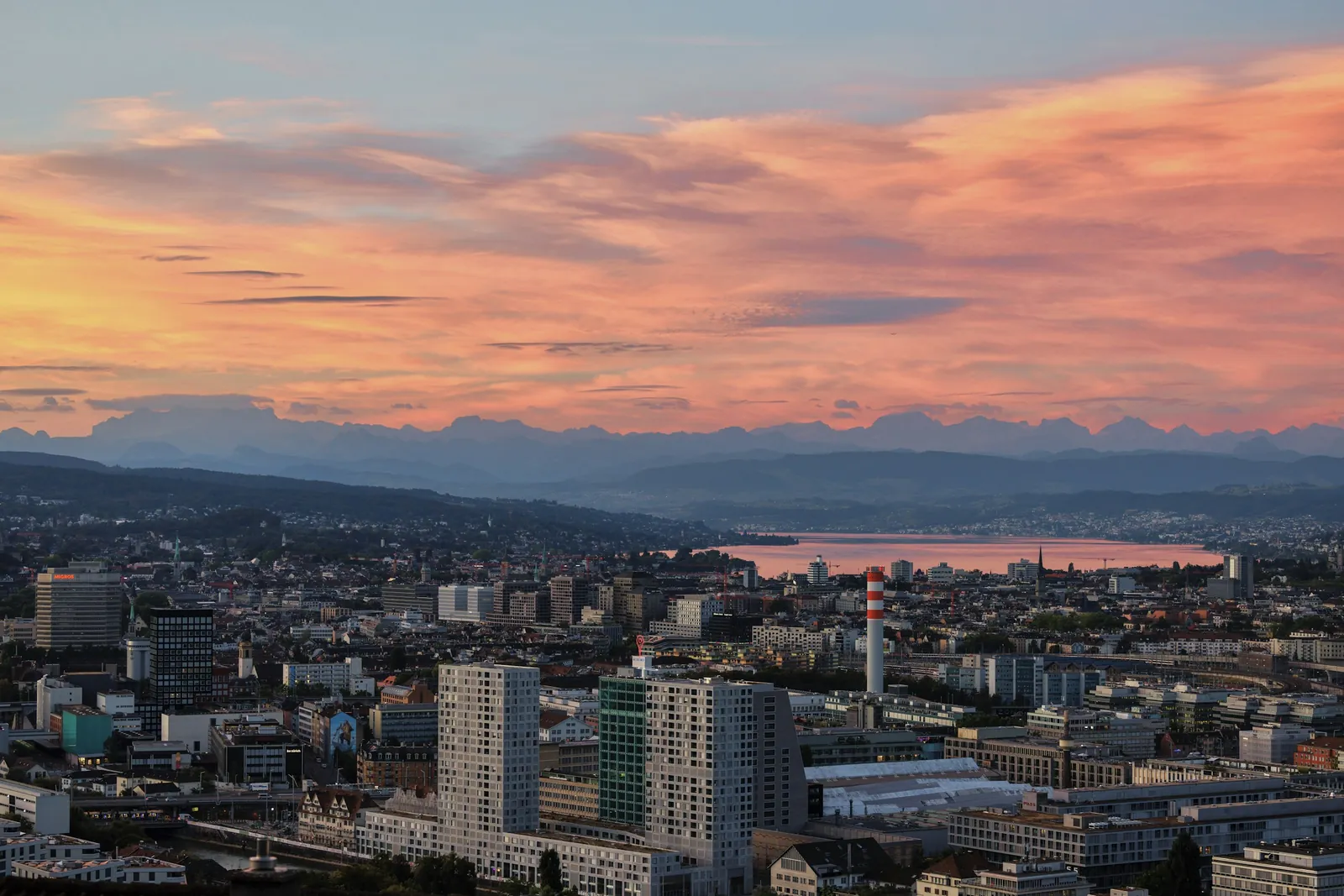
Switzerland was my first small step outward. But every day across that desk, Mike's stories pulled me a little further.
Four years later, I followed them.
London: the big league
In May 2003, I moved to London to work for Allianz in the City.
On my first morning I came across London Bridge at half past eight with thousands of others, a river of dark coats pouring north. The wind off the Thames in my face. Red buses grinding past. The grey sky low over the river.
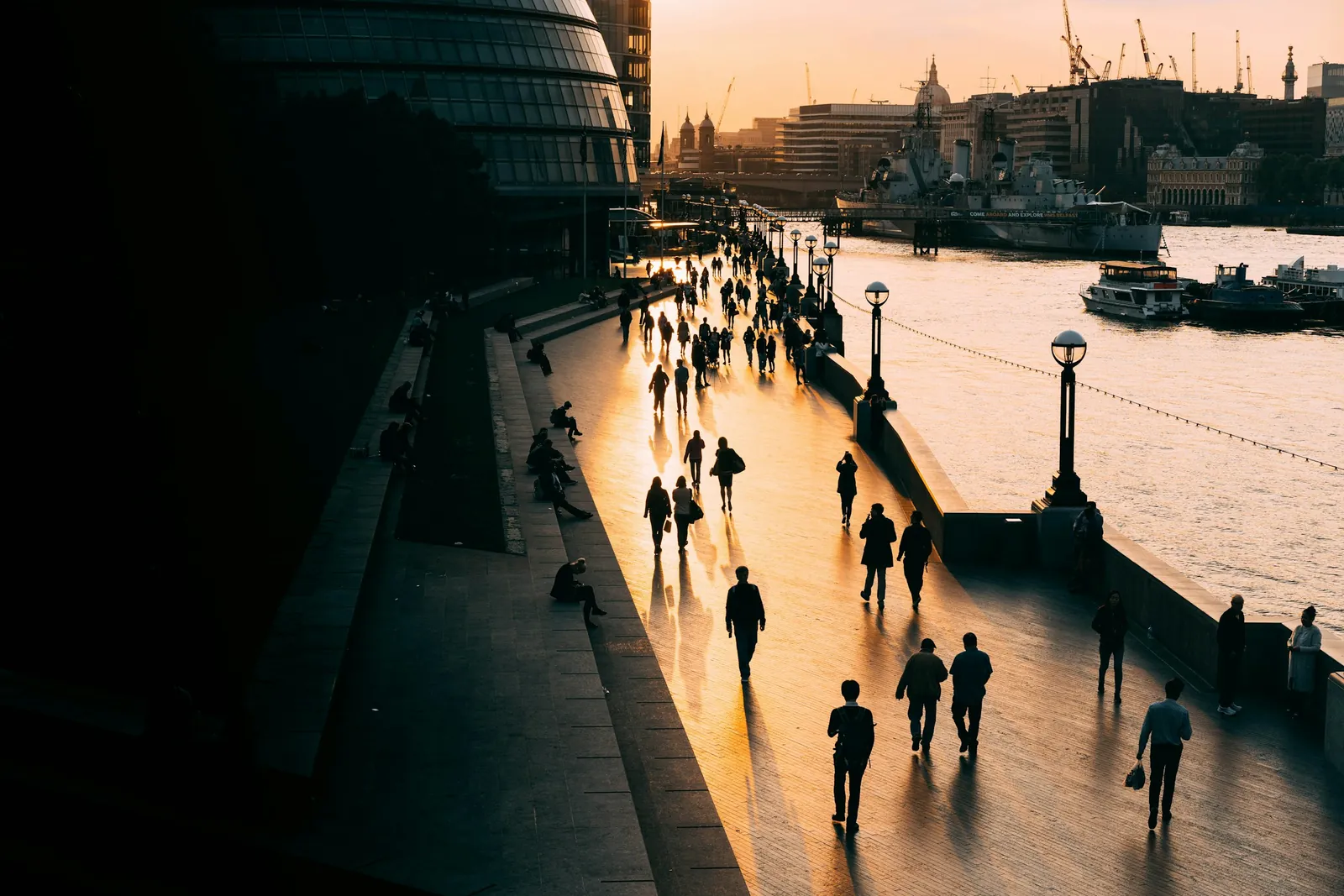
And ahead of me, the Square Mile.
I had arrived.
The City was everything Mike had promised. Ancient traditions next to trading floors full of shouting young men. Pubs packed at lunchtime. Livery halls, narrow alleys, fortunes made and lost behind plain Georgian doors.
Nobody cared which German city you came from. Nobody told you what isn't done. The only question was: can you deliver?
I loved every minute of it.
In 2006 I founded my own firm in the City, St Matthew. The day my own name went on the door, I stood outside for a minute and just looked at it.
London taught me how the world really works. How money moves, how companies are built across borders, how countries compete for people and capital, and how much of what people think is fixed and unavoidable is really just a choice some government made.
St Matthew grew. Clients came from across Europe, and more and more of them wanted a foot in America. By 2008 we needed an office over there.
I could have hired someone to open it.
The little Golden Gate Bridge had come with me from Freiburg to Zurich to London. I wasn't going to send somebody else.
America
Across the Atlantic, at last
In 2008 I moved my family to the United States.
We landed in Miami. When the airport doors slid open, the heat hit me like a wall, wet and heavy and full of the smell of the sea. Palm trees. Spanish everywhere. Cars the size of boats.
I opened our American office there, Mount Bonnell, and ran St Matthew in London from across the ocean.
Somewhere in my head, an eight-year-old was jumping up and down. I had seen America, and I had not come back.
But Miami wasn't my America.
It was glamour and glass towers, and the boy who had read Karl May under the blanket wanted something else. Land. Horses. Big skies. A truck on a dirt road. A place where you could stand on your porch and see nothing that belonged to anybody else.
I wanted Texas.
In 2011, I got there.
The German Cowboy
We found Vaquera Ranch in Bastrop County, southeast of Austin.
I will never forget the first evening.
A long, unpaved private road. Dust rising behind the truck. The gate. The engine ticking as it cooled. The children were out of the doors before I had stopped, running for the stock tank, and the cicadas were singing so loudly in the oaks that you could feel it in your chest.
The late sun turned the grass to gold. Old oaks stood across the pastures like they had been waiting for us. A red-roofed ranch house, a barn, and a silence so deep you could hear yourself think.
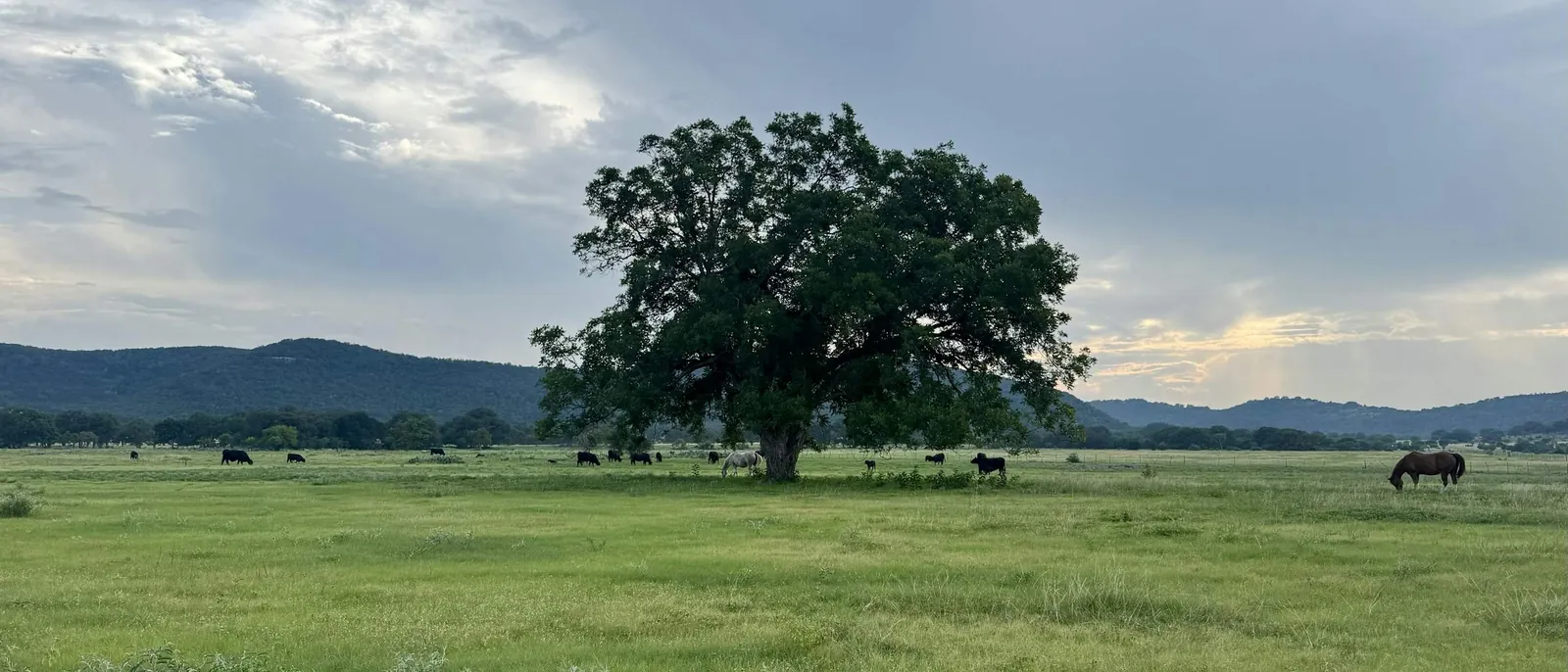
I stood at the gate and knew.
This was it.
Great-uncle Ludwig had his land in Chile. Now I had mine.
I drove the truck, walked the fences, fixed what broke, and learned that ranching involves a great deal more sweat, mud and broken equipment than Karl May ever let on. I loved it anyway.
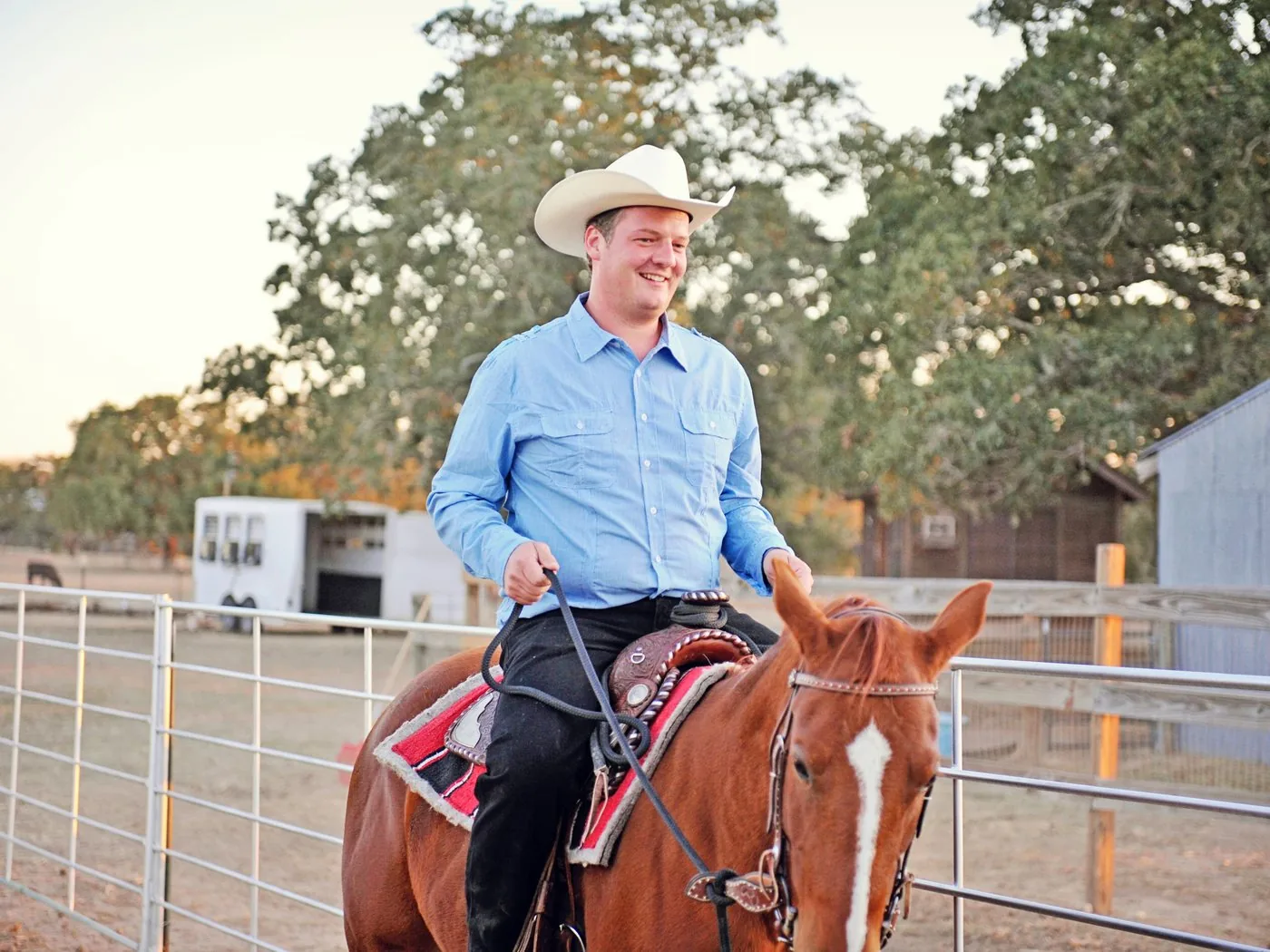
My best friend, David Jones, took one look at me and christened me "the German Cowboy."
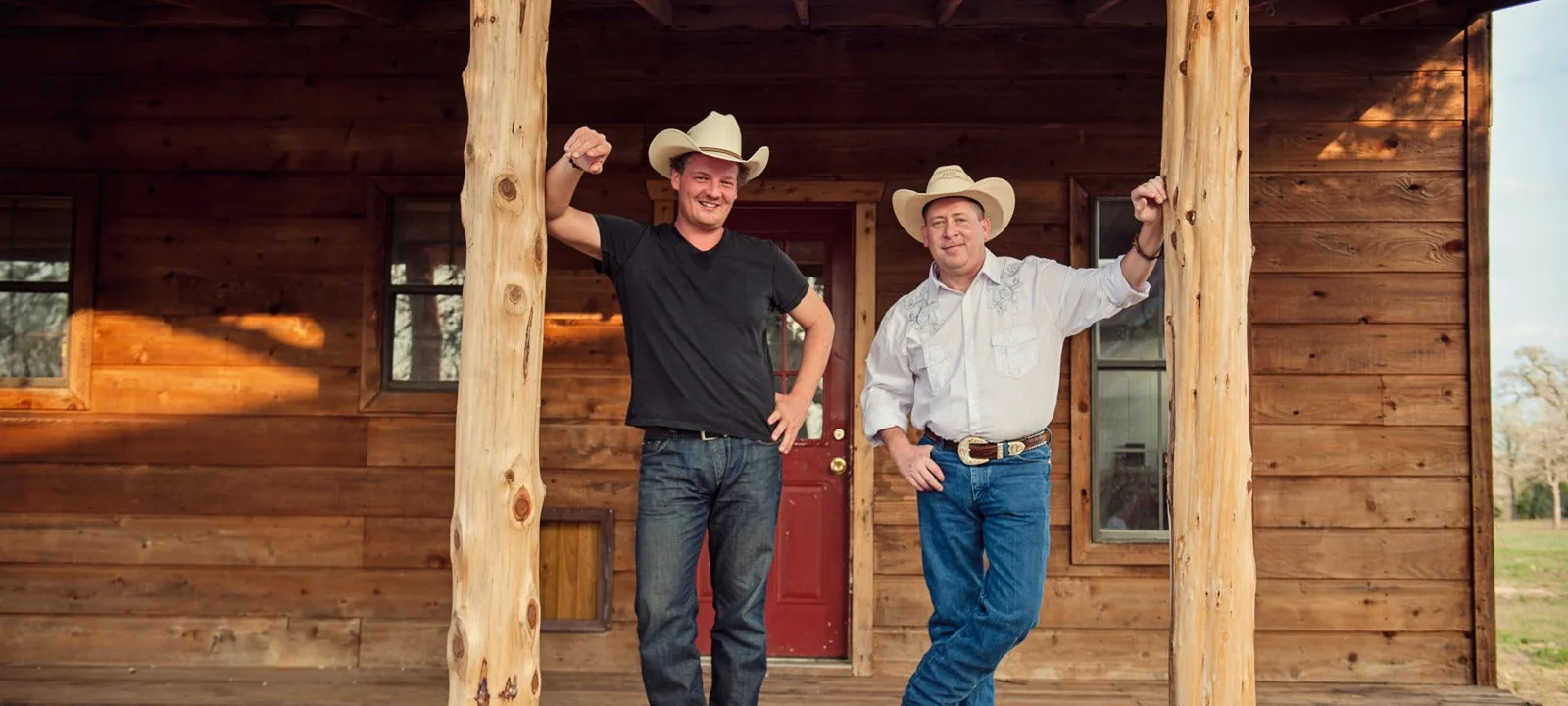
I wore it with pride.
The boy from Freiburg, on his own land in Texas, running an international business and raising his children under a sky that never seemed to end.
For the first time in my life, I felt I was where I belonged.
It lasted one summer.
The phone call
It was July 2012.
I was out on the ranch, repairing a fence, sweat running into my eyes, when my phone rang.
A German number.
My aunt Maria.
"Dein Vater ist tot."
Your father is dead.
He was fifty-nine. An aortic aneurysm. Emergency surgery. And then he was gone.
I remember standing there with the pliers still in my hand. The heat. The cicadas. The enormous empty sky. Everything exactly the same as a minute before, and nothing the same at all.
I flew back to Freiburg. My brothers and I carried his coffin.
My father had plans. He wanted to travel more, write more, do more. He thought there would be time.
He had once seen America and come back. Now there would be no more chances, for him, ever.
You don't get an unlimited number of tomorrows.
I flew back to Texas with that sentence in my bones. I had no idea how soon I would need it.
The long way round
The year everything fell apart
In 2013 my marriage ended. The divorce would cost me the ranches, and I came out of it a single father of seven.
Then my American visa ran out.
America has a simple rule: when your visa expires, you leave, and you apply again from outside. So I kept a home in the United States, locked the door, and told myself we would be back in a few months.
It took three years.
In July 2013 we landed in London. The children were with me, along with our nanny from Texas, and I had no plan at all. I rented a house in Fulham and walked to the office in the City every morning, ten kilometres through Chelsea and Westminster, with an audiobook in my ears. Slowly, step by step, something like hope came back.
Then my brother Philipp called from Malta.
We hadn't really spoken since our father's funeral. When he heard how things stood, he didn't ask questions and he didn't keep score. He just said: I'm here for you.
That call was the beginning of everything that came after.
Malta catches me
In August 2013 we flew to Malta.
The heat lay over the island like a wet blanket. No sandy beaches, no green, just yellow limestone, flat roofs and rocks dropping into a blue sea. Philipp and his partner Sabrina took us in, and within an hour the children were jumping off the rocks into the water.
I walked the narrow streets alone and did the arithmetic. I wanted to go back to Texas, but a new visa takes a serious business plan, money and strength, and that year I had none of the three. I needed a year or two to get back on my feet. It had to be somewhere English-speaking, because the children had only ever gone to school in English. London was too expensive. Germany was never an option.
I stood by the marina, watching the sailing boats, and it was suddenly obvious. Why not here?
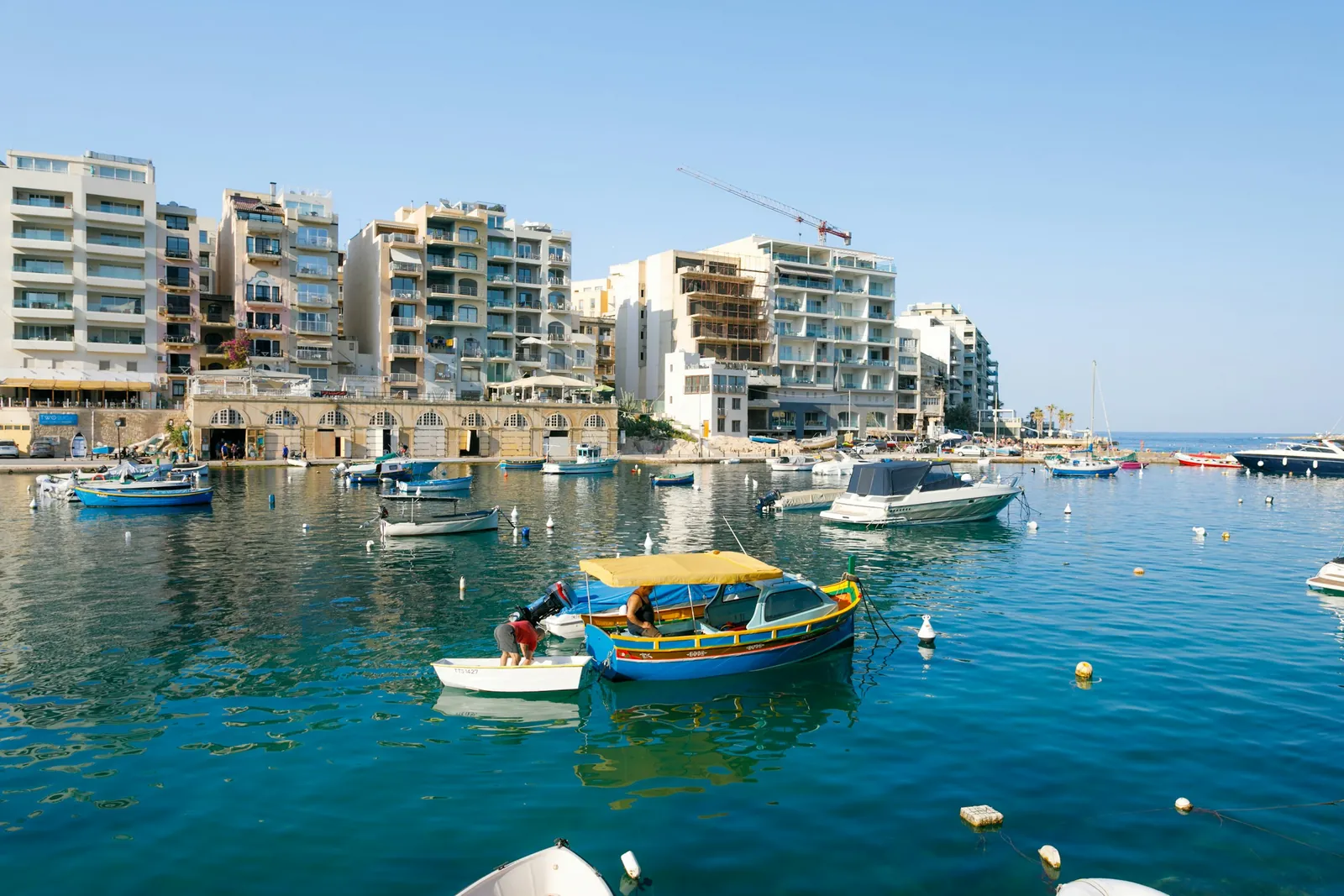
We found a flat above the marina in St Julian's. A teacher came every morning to teach the children at home, Thanksgiving dinner for twenty friends we had made on the island, and David flew over from Texas at Christmas. He had looked after the ranch for me through the worst months.
I sat in Midnight Mass in Valletta that Christmas and was simply grateful. My children were with me. My brother was my brother again.
Sitting on a rock in the Mediterranean, waiting for a stamp in my passport, I wondered whether I had become Johannes after all. The one who comes back.
But Malta caught me when I needed catching.
Ten days
One evening in April 2014 there was a letter in the post box that I hadn't expected. Within seconds I knew that we had to leave, and leave at once.
The reasons belong to us. The feeling I remember: standing on those white marble floors, in a home we had only just built, knowing it was over.
Within ten days I had spoken to the landlord, packed everything and booked the flights. A few weeks in Germany near my mother. Then back to Texas, with no visa and ninety days on the clock, simply because I wanted to go home.
It was one last long summer in the country that still felt like home and was no longer allowed to be. At the end of it we said goodbye to the ranch for good. I can still see my daughters' tears.
And once again we needed somewhere to wait.
Ireland: room to breathe
Ireland was never on any list of mine. It came to us the way important things sometimes come, at the end of a long line of losses: English-speaking, in Europe, and far from everything that had happened.
In August 2014, we arrived in Lismore, County Waterford.
One main street, one cathedral, one river, and a castle above the Blackwater straight out of a picture book. A town that has not landed in another country so much as another century.
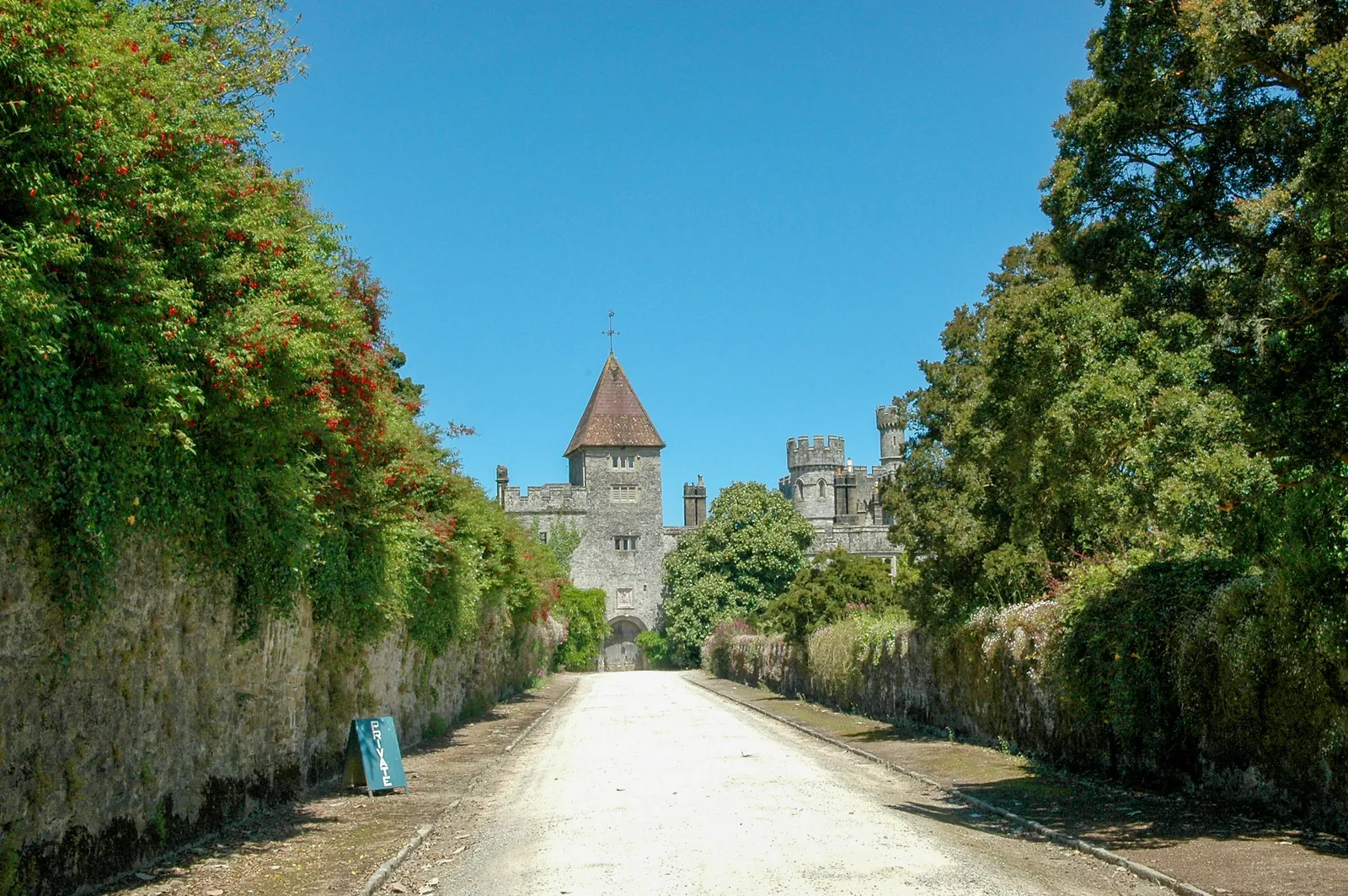
We rented an old Georgian country house at the edge of town. Seven bedrooms, cold corridors, period furniture, and a heating bill that could make a grown man weep. The children walked to school, and the teachers looked after them as if they were their own.
I went to Mass during the week and then walked for hours along the river. I drove to the cliffs at Ardmore with the Atlantic roaring below. I lay by the fire in the drawing room with country music playing and planned the return to Texas: ranches, financing, the visa.
After a few months I made a decision. Enough counting losses. From now on, we count what is there.
And there was a lot.
Three sentences on a campsite
In the summer of 2015 I hired a camper van and took the children right across Europe. Berlin, Vienna, Venice, Rome, Marseille, Nice, Barcelona. Five weeks of opening up the old continent for them.
On a campsite in Vienna, an email arrived from our landlord in Ireland.
Three sentences. Don't come back. We are moving back in ourselves. Where should we send your things?
It felt like a punch in the stomach. After Malta, after the ranch, just as we had found some peace, we were put out on the street like dogs left at a motorway services on the way to the holidays.
I spent the evening searching for another house in Lismore. There was nothing. In rural Ireland there is no rental market, only chance.
By the next morning, I had stopped looking. Maybe this was the sign. Stop dreaming about America on long walks. Go and do it.
I gave the visa a year. Then I rang Philipp and asked where we should spend it.
"Come back to Malta," he said.
The one I wasn't looking for
So we went back to Malta, and this time we did it properly. A house with a garden instead of a flat. A real school with uniforms and parents' evenings instead of lessons at the kitchen table. I had learned that children need roots, even if they are only roots for a while.
I ran the business from an office near Dublin and commuted between Malta, Ireland and Britain, a man with a suitcase who was always just arriving or just leaving.
And on one of those trips to Britain in 2015, in Edinburgh, life surprised me.
I met the love of my life.
I hadn't been looking for anything. I had seven children, no ranch, a visa in limbo and a life packed into suitcases.
She saw all of that.
And she stayed.
It had never locked
In early 2016, the letter I had waited three years for finally arrived.
The visa was approved.
We didn't fly straight to Texas. First we went to Edinburgh, the grey stone city where we had met, and spent six months there. The wind off the Firth of Forth. The long northern evenings. A family slowly becoming one.
Then, in 2016, we flew back to Texas.
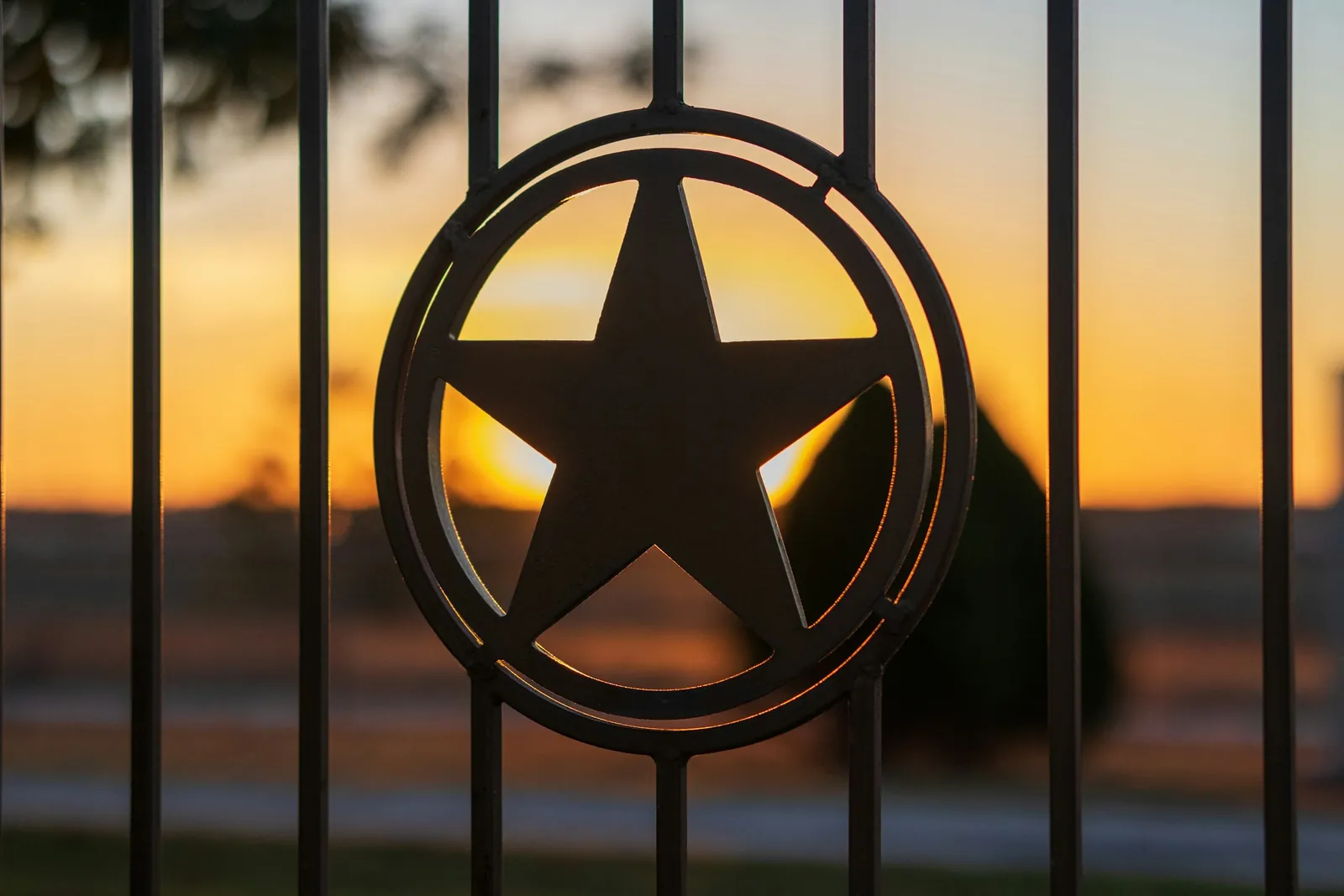
Together.
The door to America had closed behind me for a while.
It had never locked.
I was not Johannes after all. Freedom isn't only the courage to leave. It is the strength to get back up, choose a new direction, and begin again.
Paying it forward
Showing others the way
Back in Texas I rebuilt, on both sides of the Atlantic. And the more my life settled, the more my phone rang. Friends, clients, friends of friends, all with the same question: how did you do it?
Then came 2020. Half of Europe was locked in at home, told when they could leave the house, whom they could see, and which shops they could enter. The question turned into a flood: how do I get out?
That August I sat down in front of a camera with Daniel Taborek, and we launched Perspektive Ausland.
The idea was simple. I had spent twenty years living abroad, building businesses across borders, moving my family between countries and learning, often the hard way, how different the world looks once you step outside your home country's system. Why should anyone else have to learn it the hard way too?
Today Perspektive Ausland is a German-language platform with a YouTube channel of around 144,000 subscribers, a podcast, seminars, client trips, a members' club and an international advisory practice.
We help people move abroad, build their businesses internationally, protect what they have built and take back control of their lives. Some want lower taxes. Some want a better place to raise their children. Some want a second residence, a second passport, or simply options. What they all share is the feeling I had at eight years old: life has to be bigger than this.
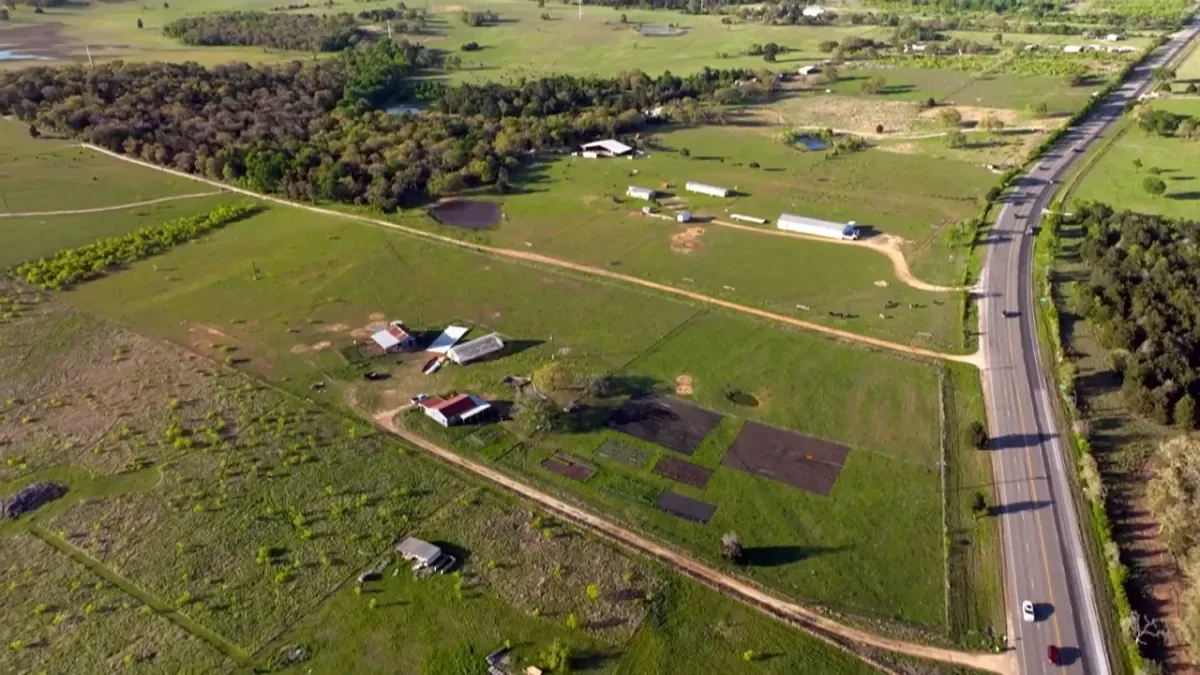
And I went back to the land, the way Ludwig did. I founded Ashfount, my regenerative farming company in America. My family's roots go deep into the Black Forest, and my years on the ranch only made them deeper. I believe in ownership, in responsibility, and in building things that last.
Why I believe in leaving
I am a Catholic. A father of ten. An entrepreneur. A German by birth and a citizen of a much bigger world by experience.
My work takes me wherever my clients need me, on both sides of the Atlantic.
I still love Germany. Its landscapes, its history, its craftsmanship, its music, its beautiful old towns.
But I have never accepted that being born somewhere gives that place an unlimited claim on your life.
Or your money.
Or your children's future.
Governments have grown very comfortable telling people how to live, what to think, what they may own, and how much of the fruit of their work they are allowed to keep.
A free man should have the courage to say no.
If your country treats you more and more like a subject and less like a citizen, you have every right to leave. You don't owe your whole life to a bureaucracy just because you happened to be born inside its borders.
There are countries that welcome ambition. Places where you can build, invest, raise a family, own land and live by your own convictions.
Go and find them.
I know leaving is hard. I have done it with a young family and with a business. I have done it when life was going brilliantly and when almost everything had gone wrong.
I know what freedom costs.
And I know what it is worth.
One life. One shot.
Sometimes I think about that evening in 1985. The suitcase in the hall. The Jelly Belly beans on the kitchen table. A boy holding a little Golden Gate Bridge and begging his father to say yes.
I think about two young men stepping off a ship in Chile in 1953, and how differently their stories ended.
I think about the young father driving over the border to Zurich. The German in a dark coat crossing London Bridge. The man at a ranch gate in Texas, sure he had finally arrived. And the same man on a campsite in Vienna, reading three sentences that took away his home, and starting again anyway.
I wouldn't trade any of it for a safe, predictable life in Freiburg. Not the mistakes, not the losses, not even the hardest chapters.
Because it has been my life.
That is what I want for the people who come to me today. Not my journey. Not my countries. Their own.
I want them to know that the world is enormous, that borders can be crossed, that governments can be left behind, and that the future is something you choose.
I want them to find the courage my father couldn't quite find when America opened a door for him.
And I want them to walk through it while there is still time.
Life is short and fleeting. One shot. Make it count.