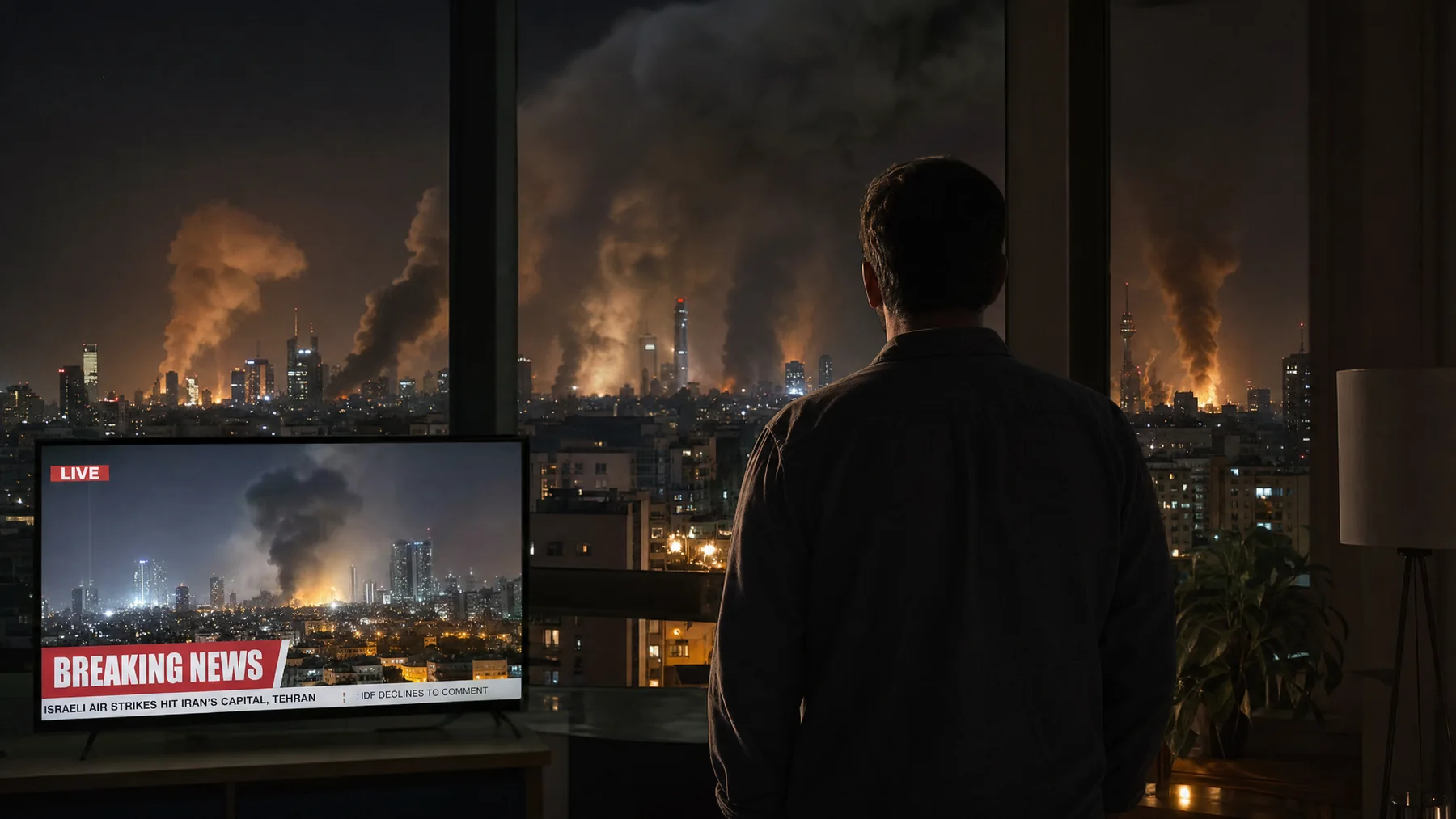
On the night of February 28, the United States and Israel launched coordinated strikes on Iran. The strikes targeted Iranian military assets, nuclear infrastructure, and the leadership of the Islamic Republic. Supreme Leader Ali Khamenei was killed in his Tehran compound. It has been confirmed by the Iranian government.
I wrote yesterday that I thought something was about to happen. I was not prepared for the scale of what did.
I want to think clearly about this, because the noise is already deafening and most of what is being said is either triumphalism or panic, neither of which is useful.
What Actually Happened
The strikes were coordinated, large-scale, and precisely targeted at both military infrastructure and political leadership simultaneously. This is a decapitation strike of a kind that has not been attempted against a major state since the early days of the Iraq war in 2003 — and the scale and coordination suggests months of intelligence preparation.
Khamenei has led the Islamic Republic for thirty-five years. He was the ideological spine of the regime — more so even than the formal government structures. His death creates a succession crisis that may be as consequential as the strikes themselves.
Iran has responded with missile attacks against Israel and US bases across the region. Iranian missiles have struck Israeli cities. The Strait of Hormuz has been disrupted. This is the largest regional conflagration in the Middle East since the 1973 Yom Kippur War.
My Honest Assessment
I have complex views on what has happened, and I want to share them honestly.
The Iranian nuclear programme was a genuine threat. The regime was weakened. The protests inside Iran suggested that a significant portion of the Iranian population was ready for change. There is a case — made seriously by serious people — that this was the window in which action was possible and that the alternative was a nuclear-armed Iran within years.
I also believe that wars are almost never as clean as their architects expect. The assumption that Khamenei's death will produce democratic transition is optimistic. It may produce a successor who is more radical, not less, galvanised by the fact of foreign assassination. The Strait of Hormuz disruption, if sustained, will impose severe economic costs on Europe. Hezbollah and the Houthis will not simply stand down because their patron has been struck.
What I will not do is pretend certainty about how this ends. Nobody has that certainty. Including the people who launched the strikes.
What This Means for My Clients
The immediate practical implications are significant.
Oil and energy: Prices have spiked sharply. For European businesses with energy-intensive operations, this adds immediately to cost. The medium-term trajectory depends on how quickly Hormuz disruption is resolved and whether the conflict expands.
Gold: Has moved sharply higher. If you hold allocated physical gold, you are experiencing exactly the scenario that justified holding it.
European equities: Under pressure. Energy stocks up, everything else down in the short term.
Travel and logistics: Iranian counter-strikes have closed Israeli airspace. Gulf airspace is disrupted. Routes through the region are affected.
Banking and financial markets: The first days of a major conflict always produce liquidity stress. Hold cash if you can. Avoid forced selling.
The structural lesson is the one I have been writing about for years: the people who have genuinely diversified their assets, their jurisdictions, and their income streams are the people who can absorb this. The people who have not are discovering what concentration risk actually means.
Work with Sebastian
If this week's events have sharpened your sense of urgency about reviewing your structures, I am available. This is exactly the moment that makes the difference between people who planned and people who are scrambling. Book a consultation.