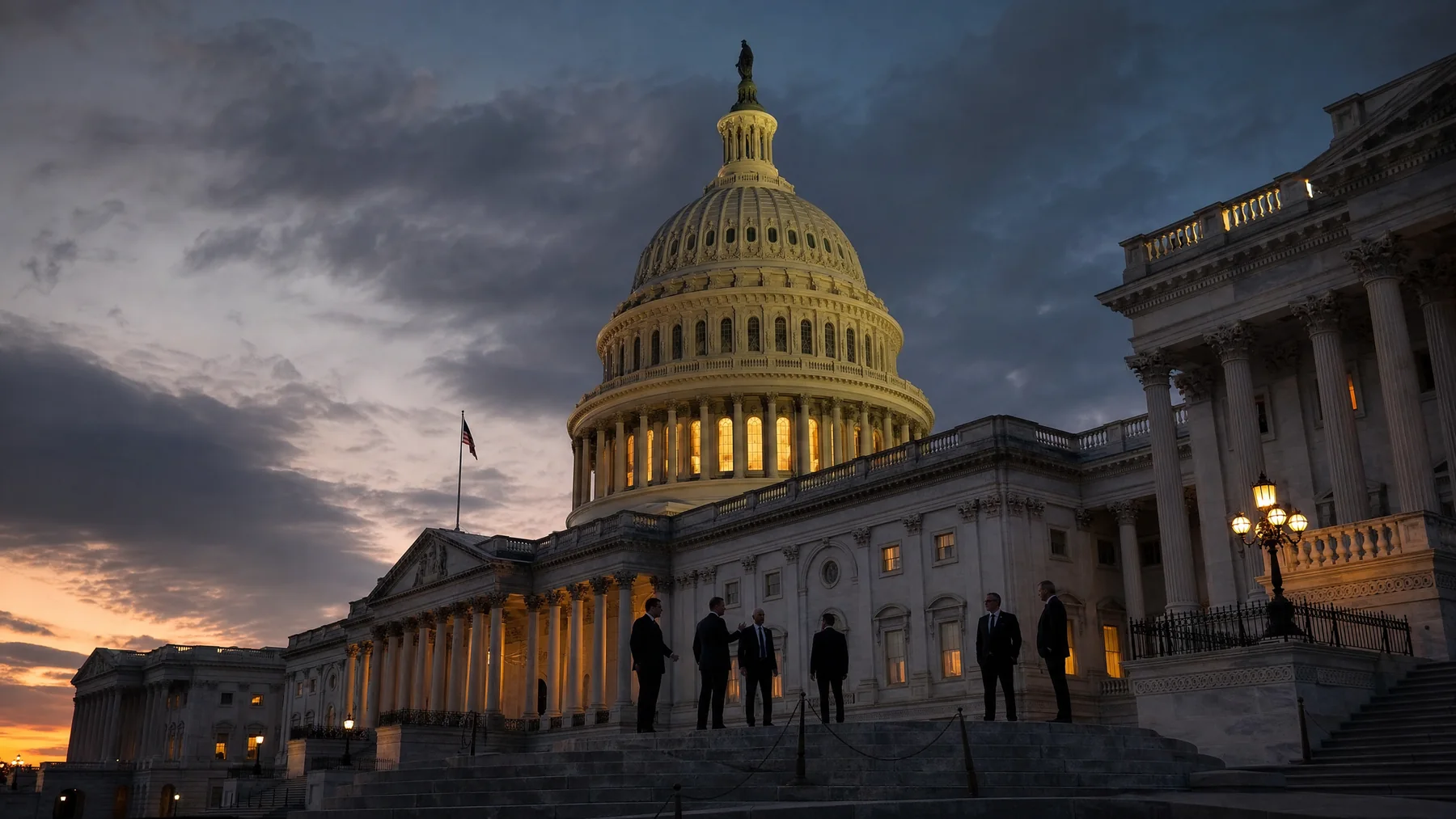
Trump's "One Big Beautiful Bill" — the omnibus legislation that has been grinding through Congress — is now producing its effects. USAID has been effectively dismantled. Federal spending on education, healthcare research, and environmental regulation has been cut substantially. The departments of Energy and Education have been dramatically reduced in scope.
The Tax Foundation estimates the tariff costs alone amount to an average tax increase of $1,100 per US household in 2025. Add the spending cuts affecting services that lower and middle-income Americans depend on, and the distributional picture is complex.
I want to think through this carefully, because the reflexive reactions — from both sides — are not very useful.
What Is Actually Being Cut
USAID's effective elimination is the most significant foreign policy budget change. The US has been the world's largest bilateral aid donor. That role is ending. The consequences for developing countries that depend on US assistance are real and will be felt for years.
Domestically, the cuts to federal programmes are substantial but not as dramatic as the headlines suggest, partly because many of these functions are shared with states, partly because the courts have blocked some of the more aggressive proposals.
What is being cut most effectively is regulatory capacity — the staffing and budget of agencies like the EPA, the Consumer Financial Protection Bureau, and various financial regulators.
The Libertarian Case and Its Limits
I am broadly sympathetic to reducing the size and scope of the US federal government. I believe it has grown too large, too intrusive, and too expensive.
But I want to make an argument that will annoy people on my side of this debate: the manner in which these cuts are being implemented matters, not just the fact of them.
Cutting USAID through executive action, without congressional authorisation and in violation of appropriations law, sets a precedent that a future president can use to cut programmes that libertarians and conservatives value. The tools of executive power are not ideologically calibrated. They work for whoever holds them.
The correct way to reduce the size of the federal government is through legislation — the normal constitutional process. That process is slow and politically difficult. Those difficulties exist for good reasons.
I want smaller government. I want it achieved through legitimate means. The precedents set by this administration will outlast it.
What This Means for European Entrepreneurs in the US
For my clients operating businesses in the US or considering doing so, the immediate practical effects are mostly positive. Reduced regulatory burden means lower compliance costs. Tax reform proposals in the bill are generally favourable to business and investment income.
The US business environment in 2026 is relatively permissive, relatively low-tax compared to Europe, and relatively growth-oriented. For the right entrepreneur with the right structure, it remains an excellent place to operate.
If you are thinking about establishing or expanding a US business presence, the current regulatory environment is more permissive than it has been in years. Now is a good time to get the structure right. Book a consultation.