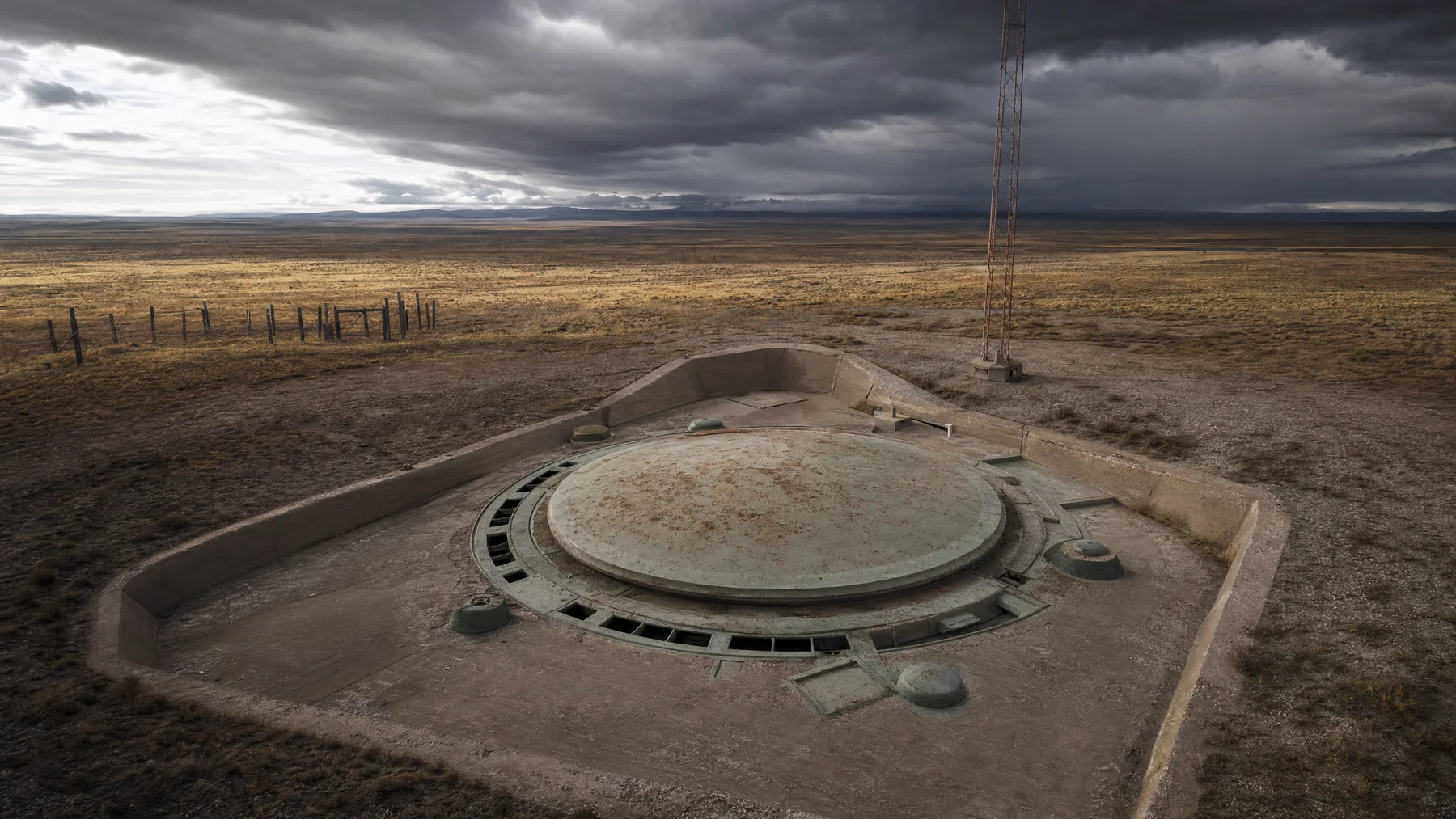
The New START treaty between the United States and Russia expired this month, leaving the two countries that together hold 87% of the world's nuclear weapons without any legally binding limits on their strategic arsenals for the first time since 1972.
The Trump administration declined to negotiate an extension. Russia had suspended its participation in 2023. Both sides have signalled that they are not interested in resuming arms control negotiations in the near term.
This is, quietly, one of the most significant developments of 2026. And it is receiving considerably less attention than it deserves.
What New START Actually Was
The New Strategic Arms Reduction Treaty, signed in 2010 by Obama and Medvedev, limited both the United States and Russia to 1,550 deployed strategic nuclear warheads and 700 deployed delivery systems — intercontinental ballistic missiles, submarine-launched ballistic missiles, and heavy bombers.
These limits were not disarmament. They were stability management. The logic of arms control is not that nuclear weapons are good, but that an agreed and verified ceiling on both sides' arsenals reduces the risk of miscalculation, arms race dynamics, and the temptation to strike first in a crisis.
The verification provisions were equally important. Both sides conducted regular on-site inspections, exchanged telemetry data on missile tests, and maintained continuous communication channels specifically designed to prevent accidents from escalating.
All of that is now gone.
What Happens Next
Neither the US nor Russia is about to dramatically expand its deployed nuclear arsenal immediately. The physical and financial constraints on nuclear force expansion are real. But without treaty limits, both sides now have the legal freedom to expand, and the strategic logic of the arms race — if you build, I must build — has been reactivated.
China is the third variable. China has been outside all bilateral US-Russia arms control frameworks and has been expanding its nuclear arsenal significantly. The US has been pushing for trilateral arms control including China. China has declined, partly because its arsenal is much smaller than either the US or Russia and any treaty limiting it to equivalent numbers would require massive reductions from the other two.
The absence of New START removes the ceiling that gave China something to measure against. It creates additional pressure on China to accelerate its own expansion. And it creates a three-way dynamic — the US, Russia, and China — with no agreed rules of the road.
What This Means for the Risk Environment
The probability of nuclear use has not increased dramatically because a treaty expired. Nuclear deterrence does not depend on treaties. It depends on the credibility of second-strike capability, which both sides retain fully.
But the probability of miscalculation — of a crisis escalating beyond what either side intended — increases when the communication and verification infrastructure that arms control treaties provide is absent.
In 1983, the Soviet early-warning system falsely detected an American nuclear launch. A Soviet officer named Stanislav Petrov decided, against protocol, not to report the alert up the chain of command. His judgment prevented a potentially catastrophic response. The existence of communication channels and mutual understanding between the two sides was part of what made that judgment possible.
We are now in a world with less of that infrastructure. In a period of increasing geopolitical tension. With three nuclear powers instead of two.
This is not a reason to panic. It is a reason to be clear-eyed about the risk environment in which we are operating and to plan accordingly.
Work with Sebastian
If the broader geopolitical risk environment — including, now, the nuclear dimension — is part of your thinking about asset protection and jurisdictional diversification, that is a serious and legitimate planning variable. Let's think it through. Book a consultation.