I wrote last week about Tallinn. About the city, the history, the German connection. About what would be lost if Russia overran it again.
I want to write today about the other part of the trip. The part that is harder to describe because it has less to do with place and more to do with people.
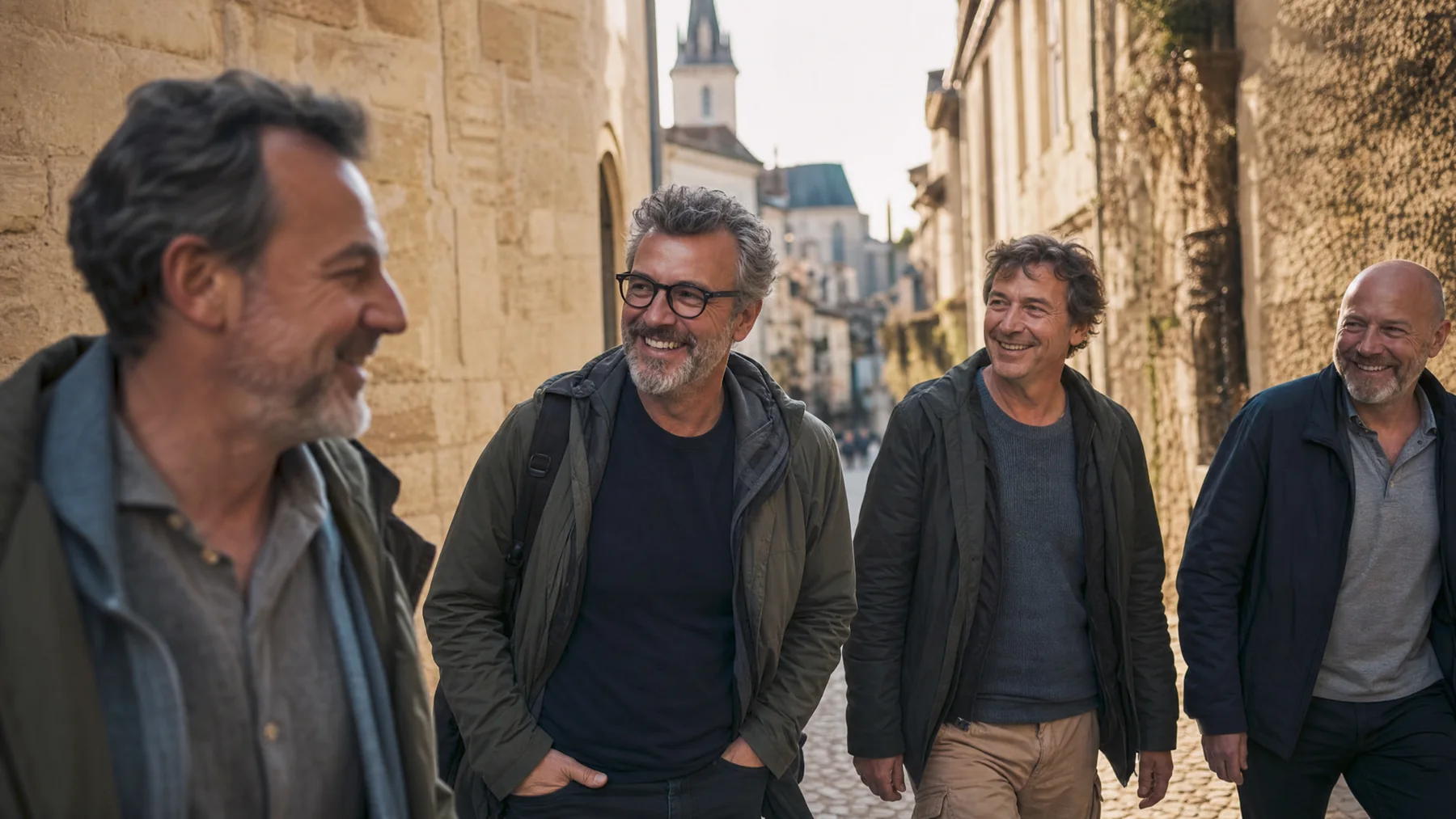
My brothers. My brother-in-law. Some of their older sons, now in their twenties and beginning to be genuinely interesting to talk to. Five days. Dinner every night. Long conversations that moved between the serious and the ridiculous without warning, the way conversations with people you have known your whole life do.
What the Annual Trip Actually Is
We started doing this perhaps eight years ago — the brothers trip, a few nights somewhere, no agenda beyond spending time together. It has become one of the things I look forward to most in the year.
This is not because my brothers and I do not have complicated relationships. We do, as all siblings do. There are old scores, old dynamics, old roles that we are still, decades after childhood, partially enacting. The oldest brother and his particular way of being right. The younger ones and their various strategies for navigating around him. These things do not disappear; they become familiar enough to be workable.
What the trip does is create the conditions for something that adult male friendship almost never produces naturally: sustained, unhurried time. No agenda. No output required. Nowhere to be. Five days in a city none of us has been to before, with nothing to do but eat and walk and talk.
What We Talked About
Everything. Nothing. The Iran war and what it means for the next decade. Our children — their struggles and their gifts. Our father, who has been dead for thirteen years and who is present in our conversations in the way that only a significant absence can be. Business. Property. The quality of Estonian bread, which is exceptional.
We disagreed about things. Genuinely, sometimes sharply. And then we had another glass of wine and moved on, because we are brothers and the disagreements do not threaten the relationship in the way they might between people who have known each other for less time.
I wrote a few months ago about the crisis of male friendship — the data showing that men have fewer close friends than they did a generation ago, that the friendships they have are shallower, that a significant proportion of men have no close friends at all.
My brothers are not a solution to that crisis. They are evidence of why the crisis matters. The thing I feel in Tallinn, sitting around that table at Restaurant 180, is something I cannot manufacture with professional contacts or networking events or the careful curation of a LinkedIn network. It is the product of a shared life, of knowing each other's history, of having been children together.
Not everyone has brothers. But everyone can build something like what I have with mine, if they are willing to invest the time and the vulnerability that genuine friendship requires.
The trip is non-negotiable on my calendar. It should be on yours too, in whatever form makes sense for your life.
Work with Sebastian
No business today. Book a consultation when you are ready.