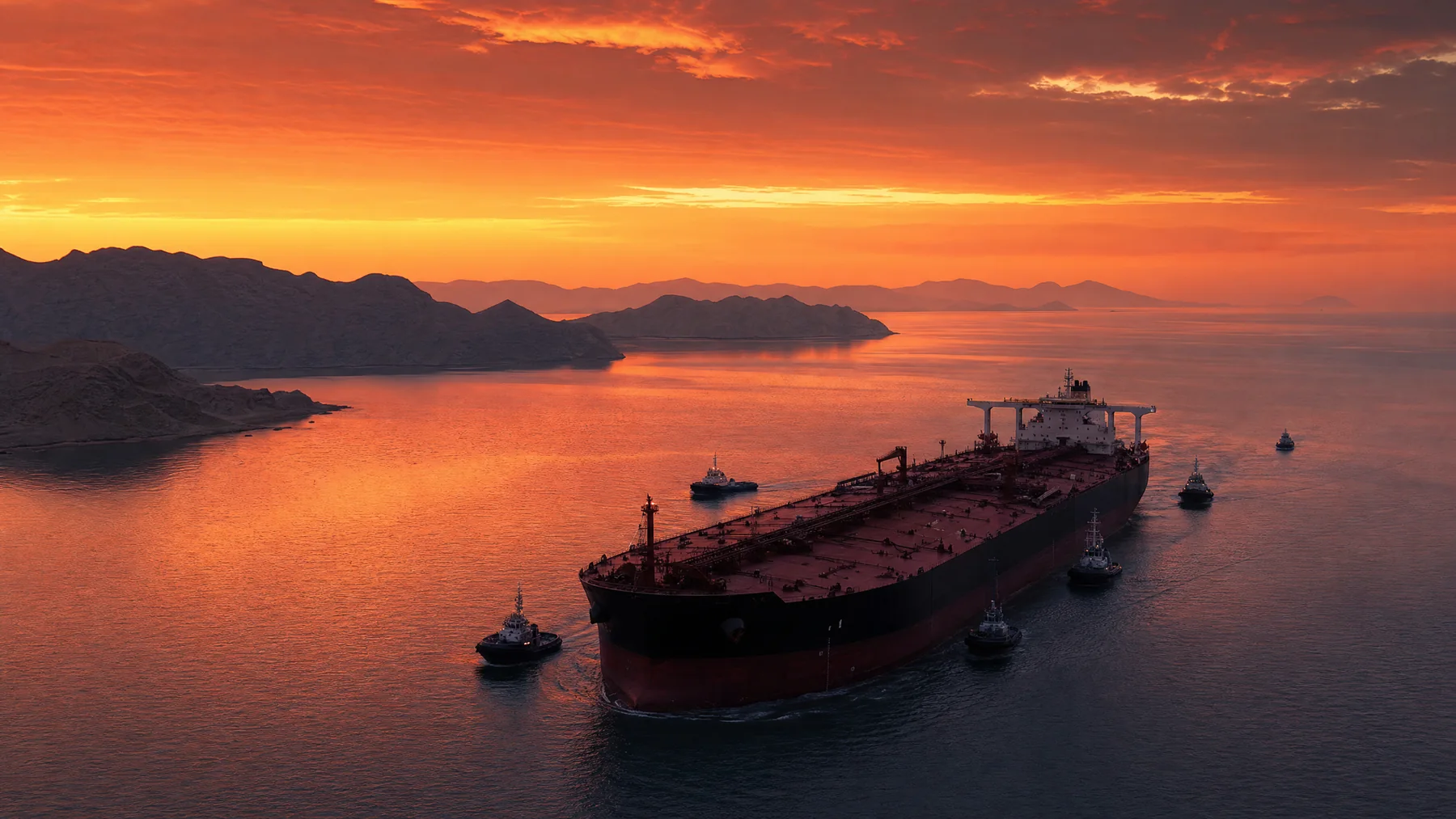
The Strait of Hormuz — the 33-kilometre-wide waterway through which approximately 20% of the world's traded oil passes — has been disrupted by the Iran war. Iranian naval assets have been activated. Several tankers have been attacked or warned off. Insurance costs for Hormuz transits have spiked to levels not seen since the tanker wars of the 1980s.
Seven US allies have pledged to help ensure safe passage through the strait. None has yet specified how. That gap between the pledge and the mechanism is the space in which economic damage accumulates.
Europe is about to rediscover, for the second time in four years, how structurally exposed it is to energy supply disruption.
The Context
In 2022, Europe discovered its dependence on Russian gas when the invasion of Ukraine and the subsequent sanctions cut off pipeline supplies that had taken decades to build. The energy crisis that followed — industrial shutdowns in Germany, electricity rationing fears, emergency LNG import facilities constructed at extraordinary speed — cost the European economy hundreds of billions of euros.
The response was impressive in its speed but insufficient in its scope. Europe diversified away from Russian gas faster than almost anyone thought possible. But it diversified into a global LNG market that routes significant volumes through the Persian Gulf.
A sustained Hormuz disruption does not simply mean less oil. It means more expensive oil from longer routes, more expensive insurance, more expensive shipping, and in the medium term, potential competition for LNG supplies between European buyers and Asian buyers who are simultaneously affected.
Germany's industrial energy costs are already three times higher than the United States. A second energy supply shock, landing on top of the tariff-induced competitiveness pressure, would be genuinely severe for European industry.
What Is Different From 2022
In 2022, the disruption was sudden and the response had to be improvised. European governments managed it — not perfectly, but adequately.
In 2026, the situation is different in several respects.
European energy storage is better than it was. LNG import capacity has expanded significantly. Alternative supply routes have been developed. The response will be faster and better organised than 2022.
But European industry is also more fragile than it was in 2022 — already stressed by energy costs, by tariff exposure, by the ECB's rate cycle, and by the broader competitiveness challenge from both American and Chinese industrial competition.
A second shock on a weakened base is more dangerous than the same shock on a healthy one.
What Smart Businesses Are Doing
The businesses I work with that are navigating this best have two characteristics in common.
First, they have genuinely diversified their energy supply and hedging positions. They are not fully exposed to spot market prices. They have contracts, hedges, and in some cases their own generation capacity. The businesses that did not do this after 2022, when the lesson was available, are paying for that decision now.
Second, they have structures that are not entirely dependent on the European business environment for their profitability. International revenue, international operations, international banking — these provide buffers that purely European-focused businesses do not have.
The energy vulnerability of European businesses is not a new insight. It has been available since 2022. The businesses that acted on it are better positioned. The businesses that did not are discovering why it mattered.
Work with Sebastian
If European energy exposure, geopolitical risk, or the broader question of how to make your business more resilient to supply shocks is on your agenda, let's talk through what that looks like for your specific situation. Book a consultation.