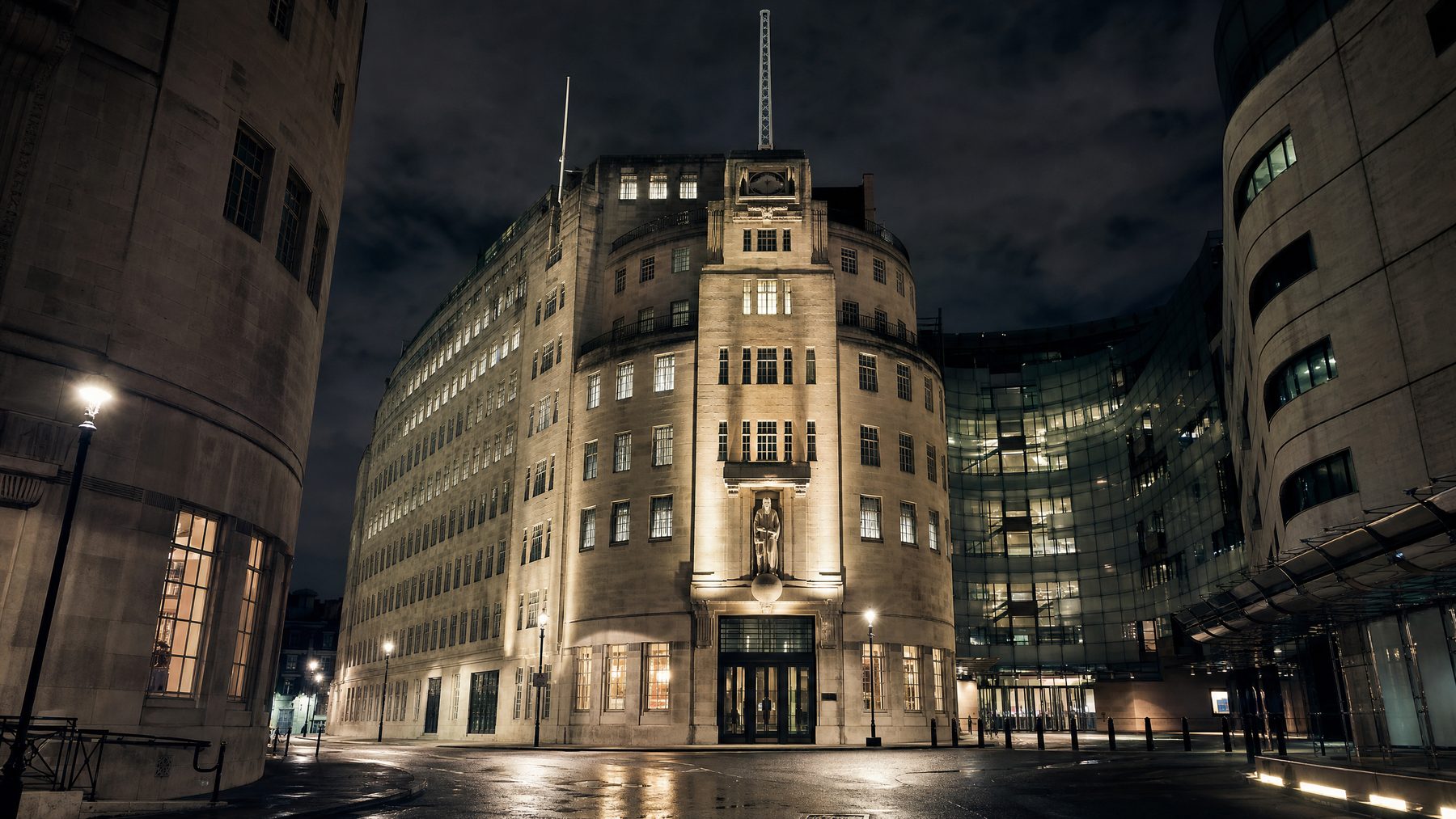
Tim Davie, Director-General of the BBC, and Deborah Turness, CEO of BBC News, both resigned this week over a controversy involving a leaked internal memo alleging systematic editorial bias.
The British press has been covering this as a governance story. A leadership crisis. An institutional embarrassment.
I want to say something more direct: the BBC's claim to impartiality has been a fiction for years, and the people paying for it through the licence fee have deserved better for a long time.
What the Memo Allegedly Showed
The Daily Telegraph published the leaked memo, written by a senior BBC figure named Michael Prescott. It alleged that BBC editorial decisions were systematically skewed: favouring certain political perspectives, applying different standards to different politicians, and operating with assumptions about what constituted acceptable opinion that were far from the neutral public service remit the BBC claims.
The BBC disputed the characterisation. Of course it did.
But the dispute itself is revealing. An organisation that was genuinely confident in its impartiality would respond to allegations of bias by opening its editorial processes to scrutiny. Instead, the response was institutional defensiveness, legal threats, and the eventual departure of the two most senior people in the organisation.
That is not the behaviour of an organisation with nothing to hide.
The Licence Fee Question
The BBC is funded by a compulsory licence fee of around £170 per year, levied on every household in the UK that watches live television or uses the BBC iPlayer. It is not optional. Refusal to pay results in prosecution.
This arrangement made sense in 1927, when the BBC had a genuine monopoly on broadcast information and the licence fee was a reasonable mechanism for funding a public good.
It makes considerably less sense in 2025, when anyone with a smartphone has access to thousands of news sources, dozens of television services, and an essentially unlimited supply of content from providers who fund themselves through subscription, advertising, or both, without compulsion.
The compulsory licence fee survives not because it is the most logical funding model for the modern media environment, but because the BBC has successfully lobbied to preserve it for nearly a century. That is a triumph of institutional self-interest, not public service.
I live between London and Austin. In Texas, nobody pays a compulsory fee to fund a state broadcaster. The media environment is chaotic, partisan, and often terrible. But it is also not compulsory. People choose what they pay for.
Compulsion is not public service. It is just compulsion with better PR.
What Should Replace It
The BBC should be subscription-funded. The content that people actually value — and there is genuinely good BBC content — will sustain itself. The content that only survives because every household in Britain is forced to fund it regardless of whether they watch it deserves to either find a genuine audience or cease to exist.
This will not happen immediately. The BBC has enough political protection to survive many more scandals. But the Davie and Turness resignations are a moment in a longer process of institutional delegitimisation.
The lesson for anyone building a media business: the future belongs to publishers who earn their audience, not to institutions that compel their funding.
If you are building a content business, a personal brand, or a media operation and are thinking about where to base it and how to structure it for the changing media landscape, this is a conversation worth having. Book a consultation.